The UB 914x305x289 is a Universal Beam reference entry for structural steel detailing and preliminary section identification. This page brings together the published profile dimensions, section descriptors, standard reference, unit weight, and a downloadable CAD resource.
Use the designation to locate the intended beam family, then review the listed geometric properties before coordinating drawings, schedules, connections, or design calculations. The values on this page are reference data and should be checked against the governing project requirements and the engineer’s design basis.
UB 914x305x289
Universal Beams
refer to : EN 10365:2017
a European standard that defines the dimensions, tolerances, and sectional properties for hot-rolled steel channels, I-beams, and H-beams used in construction and engineering. It ensures uniformity and compatibility across European structural steel products.
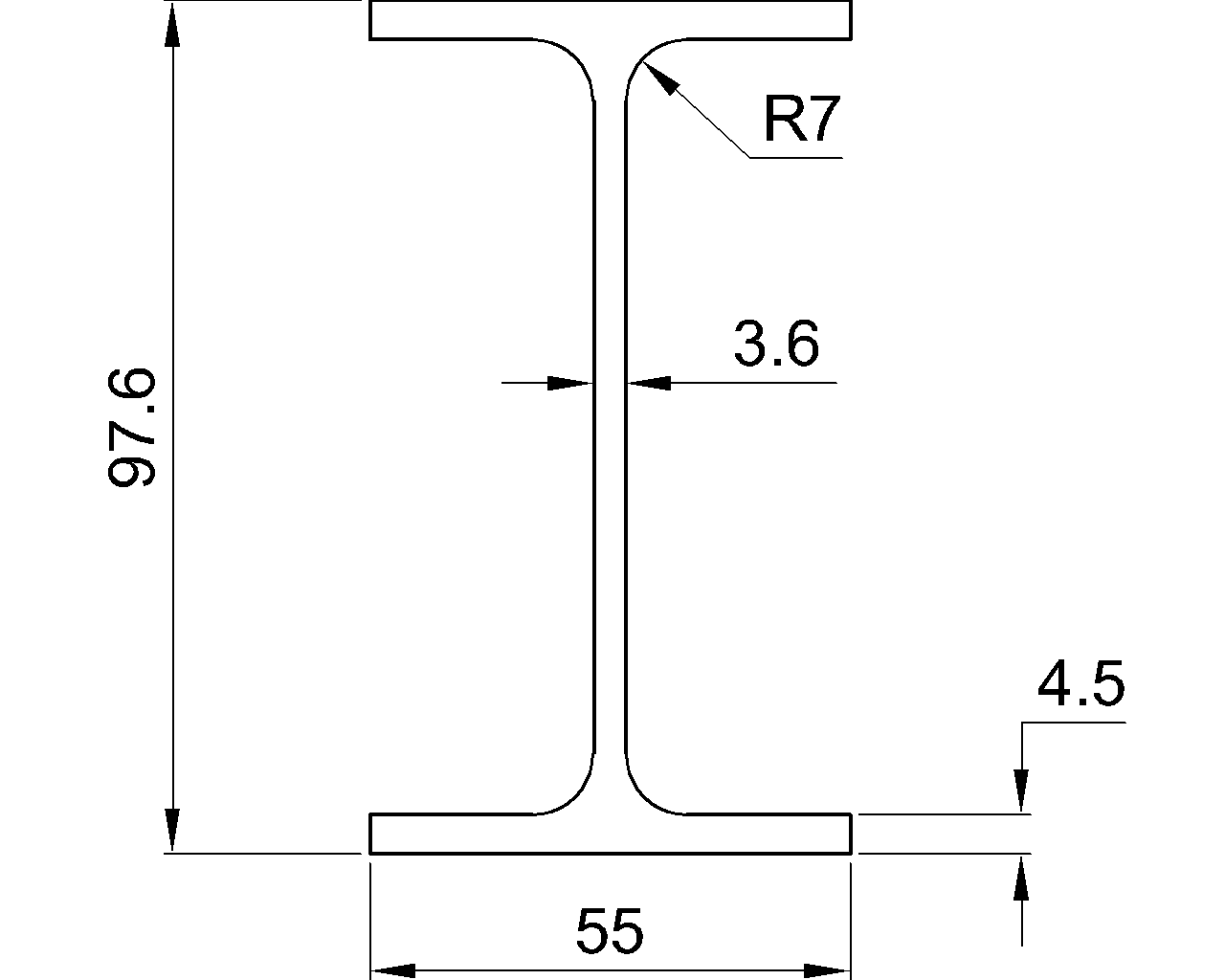
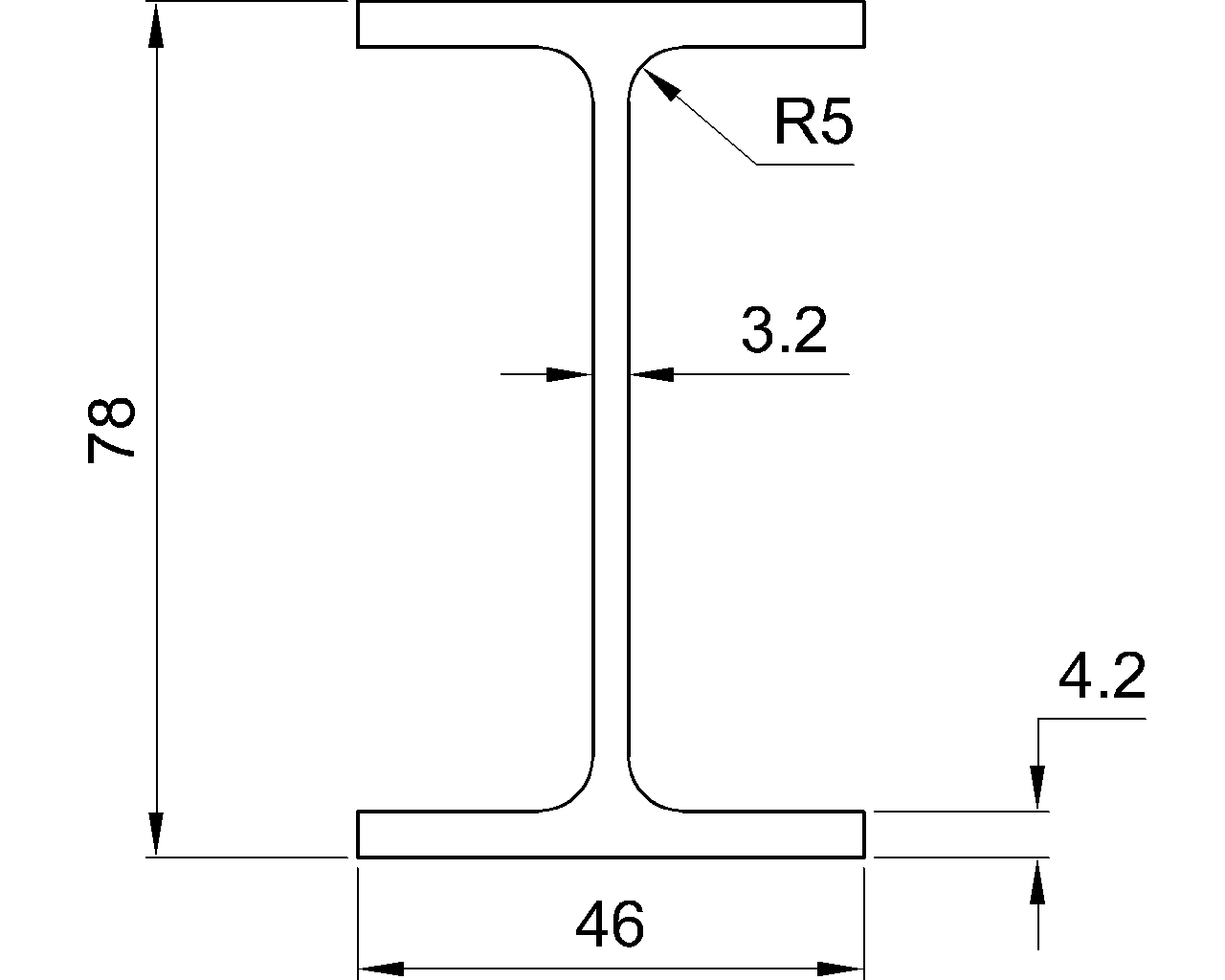
Dimension : 926.6×307.7×19.5×32
Depth : 926.6 mm
Width : 307.7 mm
Web Thickness : 19.5 mm
Flange Thickness : 32 mm
Root Fillet Radius : 19 mm
Sectional Area : 368.3 cm2
Unit Weight : 289.1 kg/m
How to read this UB profile
The designation identifies a Universal Beam section, while the detailed dimension line provides the profile geometry used for drafting and section comparison. Depth describes the overall vertical extent of the section, and width describes the flange projection across the beam.
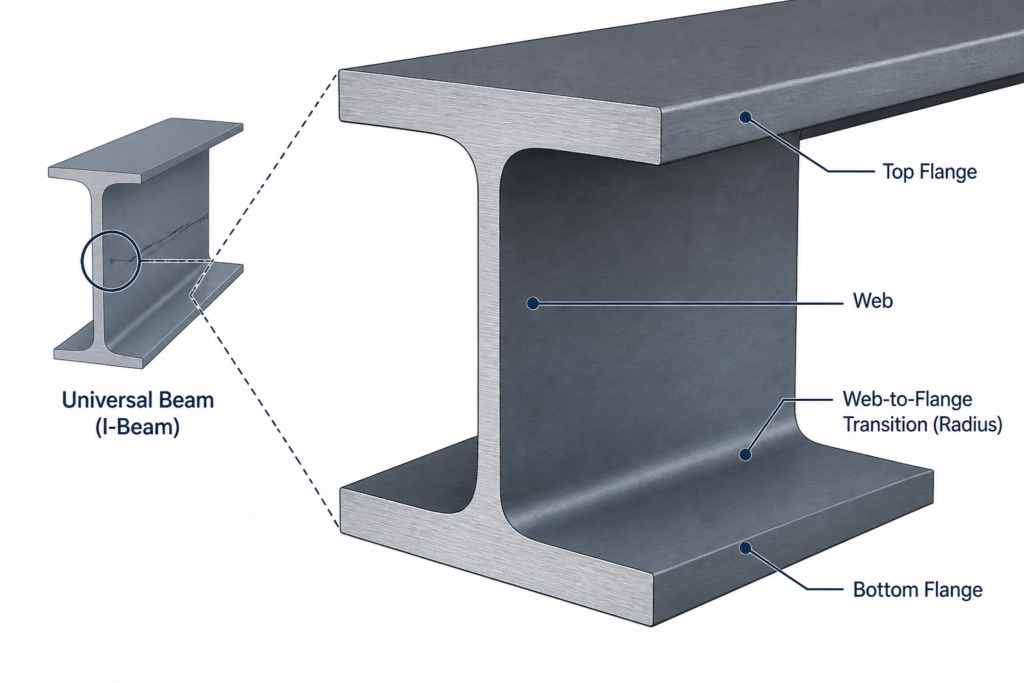
Web thickness and flange thickness describe the principal plate elements of the rolled section. These dimensions are important when interpreting connection details, clearances, stiffening arrangements, fabrication notes, and the way the section is represented in CAD drawings.
Section properties and reference data
The root fillet radius records the curved transition between the web and flange. This feature affects the actual rolled profile and should not be replaced by a sharp internal corner when preparing a detailed drawing or checking fit-up.
Sectional area is a geometric property used in section identification and engineering calculations. Unit weight expresses the listed mass per unit length and is useful for material schedules, takeoffs, handling reviews, and coordination with fabrication information. These properties do not by themselves establish a member’s capacity or suitability for a particular structural application.
Using the CAD reference
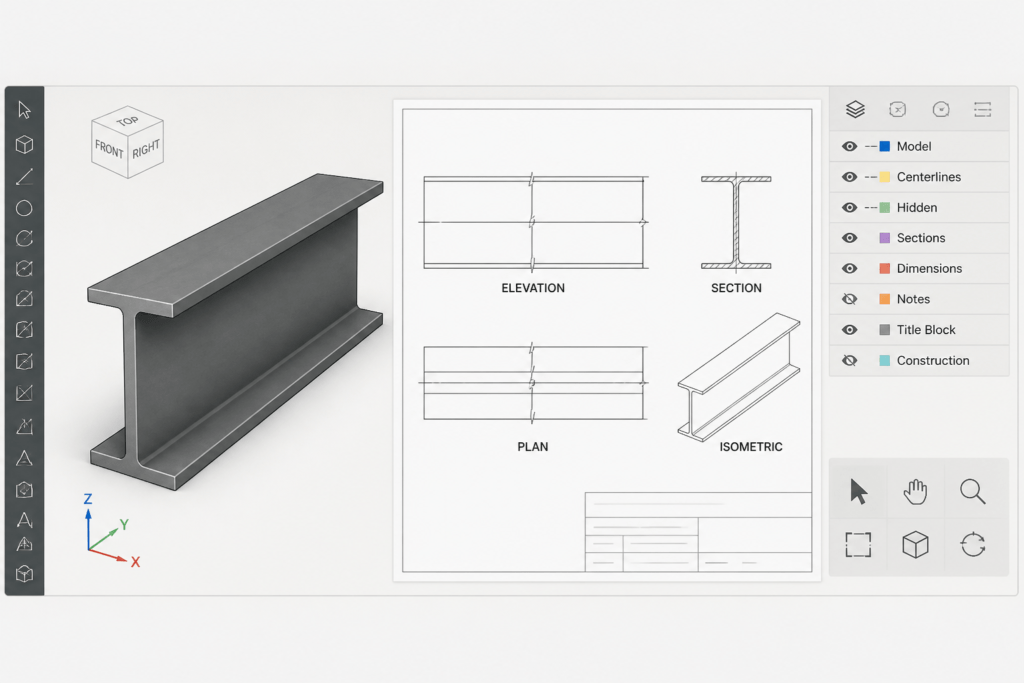
The downloadable DWG resource can support drafting workflows, layout coordination, and profile-library development. Review the drawing units, layer conventions, insertion point, and project drafting standards before incorporating the geometry into a production document. For design work, confirm the selected section and all connection assumptions with the responsible engineer.
Related steel-shape topics
This profile is best understood alongside Universal Beam designations, rolled-section geometry, section properties, steel connection detailing, and CAD block management. These topics help distinguish nominal section references from the dimensional and geometric information needed for practical engineering documentation.
Frequently asked questions
What does UB mean in this entry?
UB means Universal Beam, a structural steel shape designation used for rolled beam profiles.
What standard is referenced for this profile?
The entry references EN 10365:2017, which is identified as covering dimensions, tolerances, and sectional properties for hot-rolled steel channels, I-beams, and H-beams.
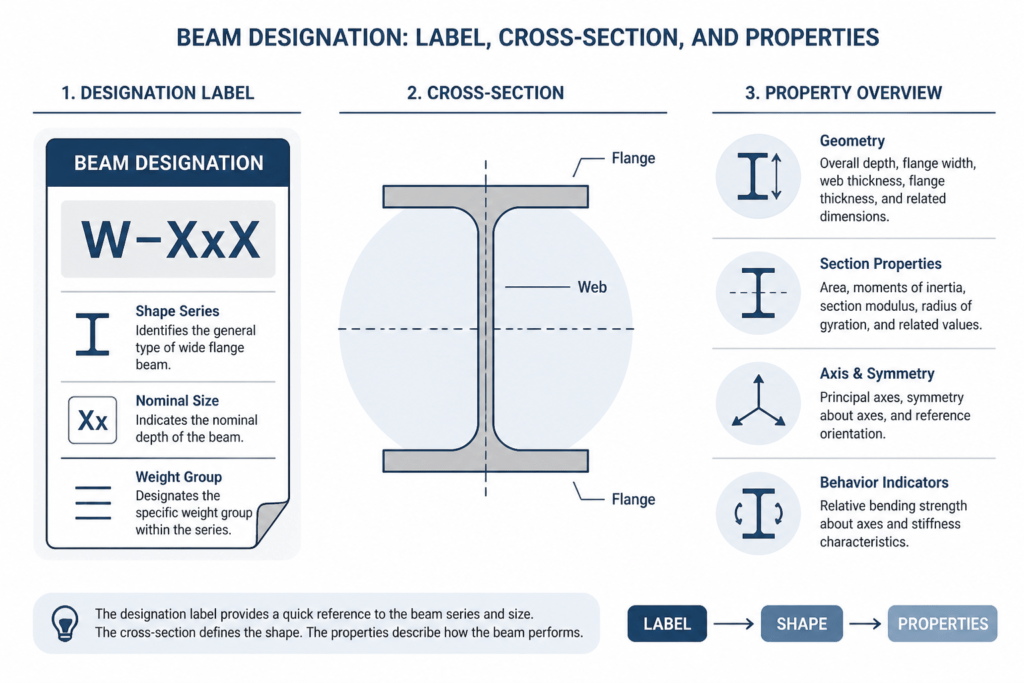
Why are both a designation and detailed dimensions shown?
The designation provides a concise way to identify the section, while the detailed dimensions describe the actual profile geometry recorded in the reference data.
What is the purpose of the root fillet radius?
It describes the rounded transition where the web meets the flange. This geometry is relevant to accurate profile representation and connection or fit-up detailing.
Can the DWG file be used directly for structural design?
The DWG is a drafting reference and does not replace engineering verification. Confirm geometry, units, project requirements, loading assumptions, and connection details before using it in design documentation.