UB 914x305x271 is a universal beam designation used to identify a specific hot-rolled steel section. This reference page brings together the stated section dimensions, sectional area, unit weight, standard reference, and the existing CAD drawing resource.
The designation is useful for selecting and coordinating the section, but it should not be treated as a complete dimensional description. Use the detailed values in the source content when preparing drawings, checking clearances, or comparing this beam with other universal beam sizes.
UB 914x305x271
Universal Beams
refer to : EN 10365:2017
a European standard that defines the dimensions, tolerances, and sectional properties for hot-rolled steel channels, I-beams, and H-beams used in construction and engineering. It ensures uniformity and compatibility across European structural steel products.
Dimension : 923x307x18.4×30
Depth : 923 mm
Width : 307 mm
Web Thickness : 18.4 mm
Flange Thickness : 30 mm
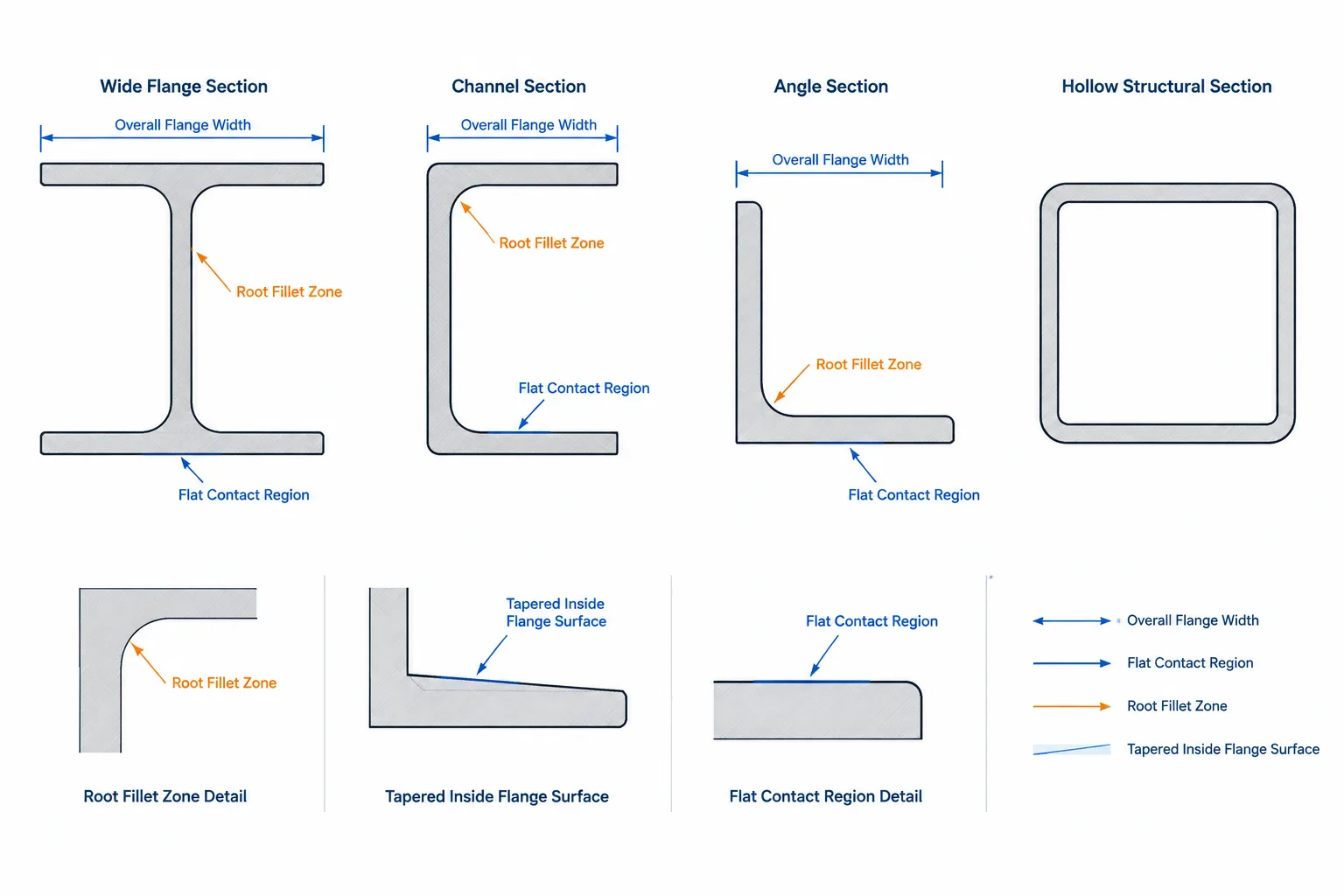
Root Fillet Radius : 19 mm
Sectional Area : 346.1 cm2
Unit Weight : 271.7 kg/m
How to read the UB 914x305x271 reference
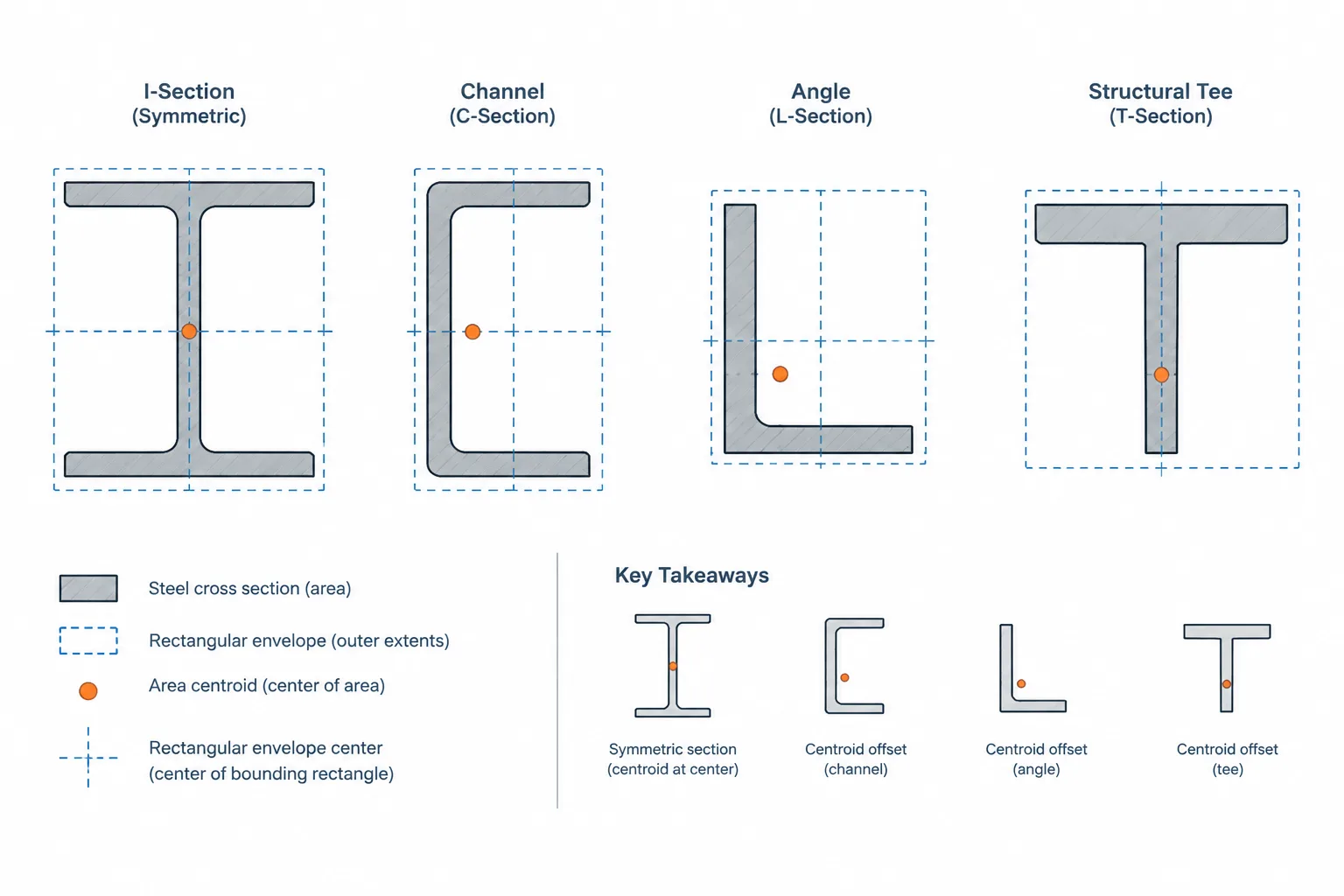
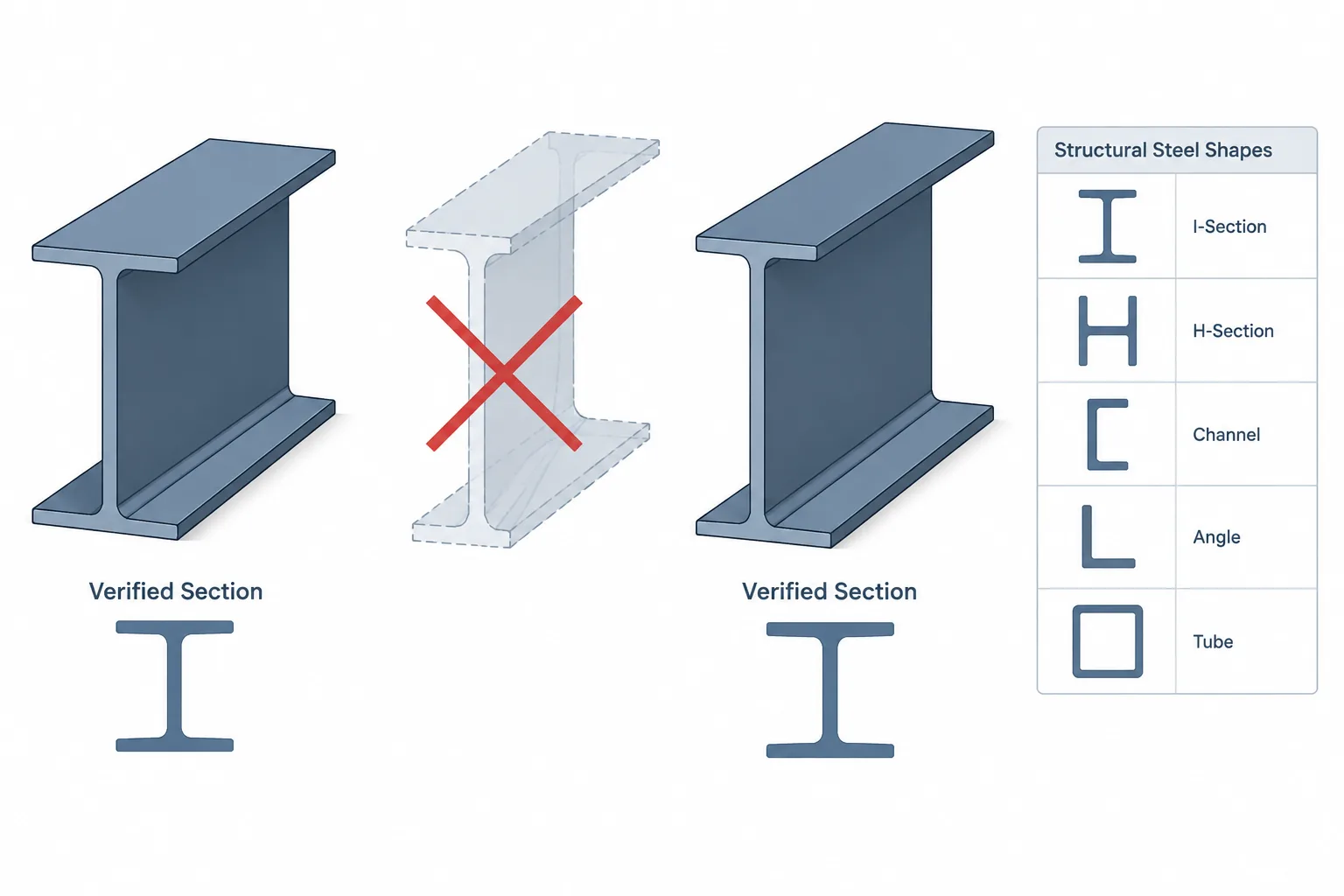
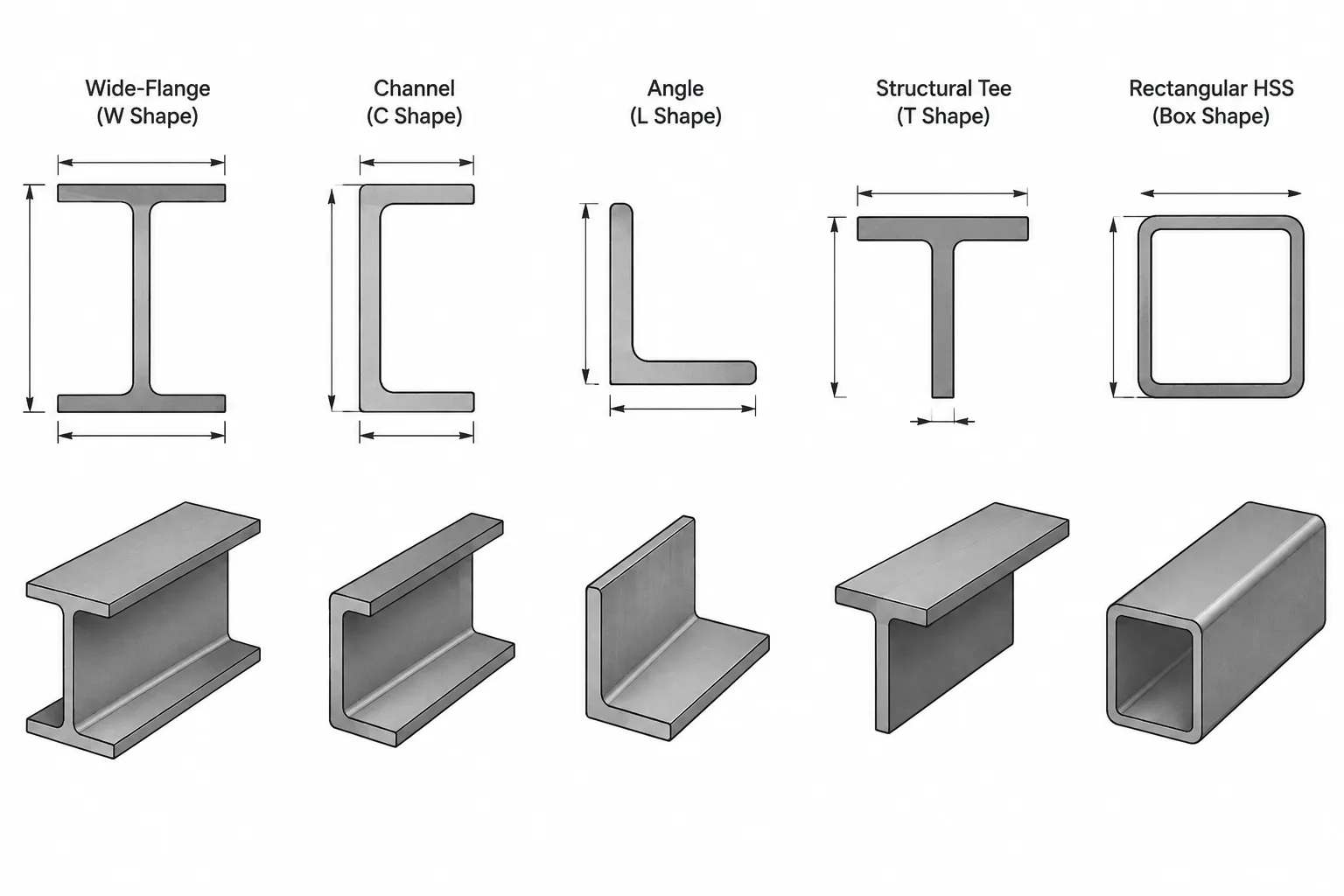
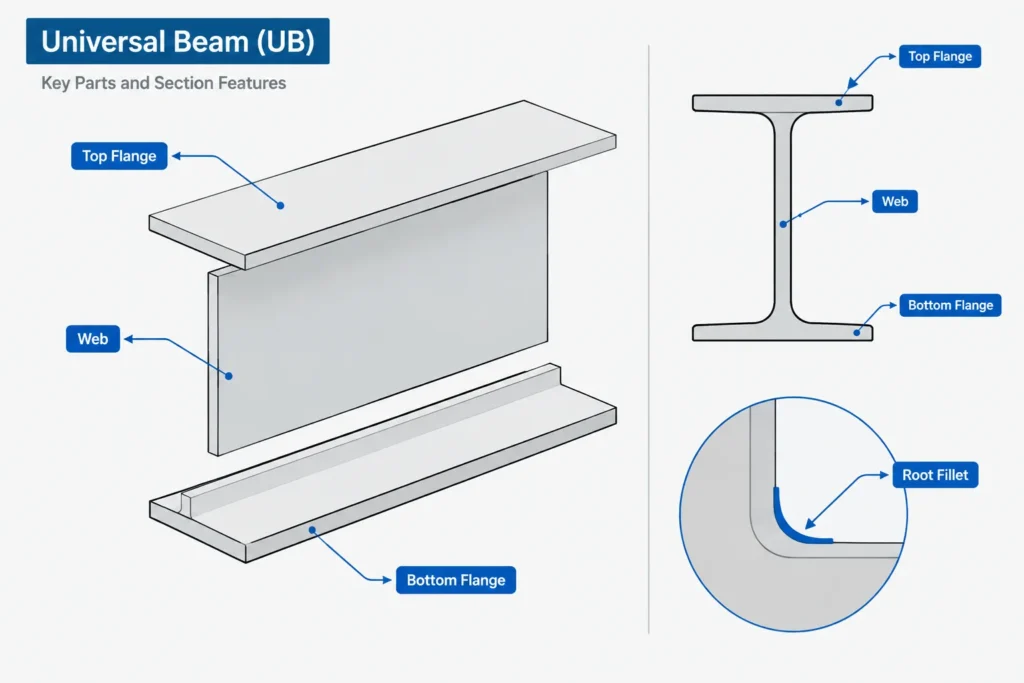
The section is identified as a universal beam, a rolled I-shaped member with two flanges connected by a web. The source associates this section with EN 10365:2017 and provides its overall depth, width, web thickness, flange thickness, root fillet radius, sectional area, and unit weight.
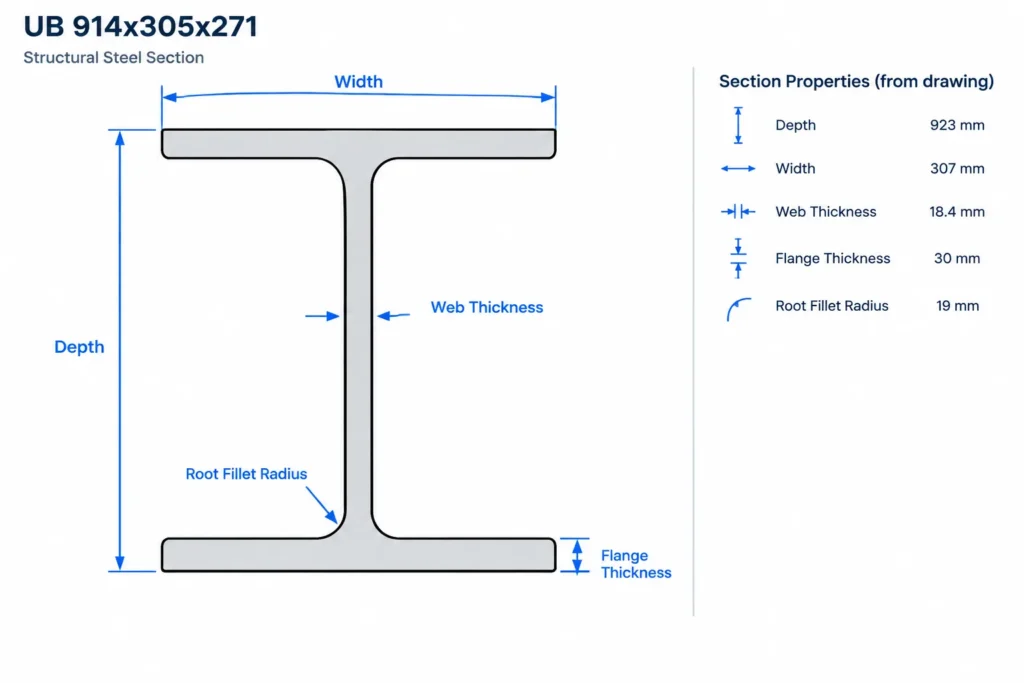
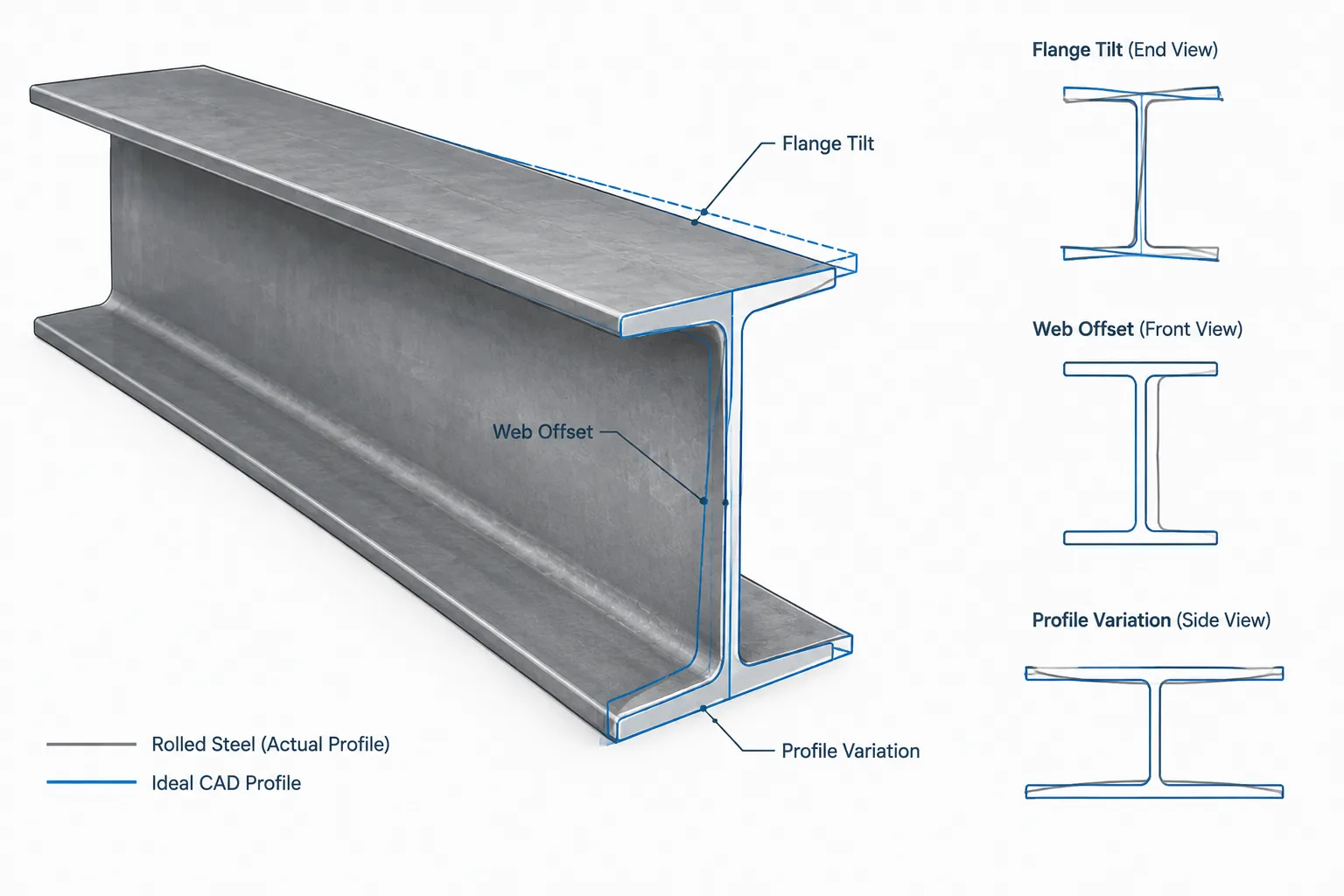
The designation and the detailed dimensions serve different purposes. The designation is a convenient section name, while the listed geometry supplies the values needed for accurate drafting and dimensional coordination. This distinction is especially important because a designation may use rounded identifying values rather than reproduce every published dimension exactly.
Understanding the listed dimensions
- Depth describes the overall distance across the section from the outside face of one flange to the outside face of the other.
- Width describes the overall flange width.
- Web thickness identifies the thickness of the central plate-like portion connecting the flanges.
- Flange thickness identifies the stated thickness of each flange.
- Root fillet radius describes the curved transition where the web meets a flange. This region matters when checking fit-up and avoiding interference with plates, bolts, welds, or other attached components.
- Sectional area represents the cross-sectional area of steel and is a section-property input used in engineering calculations.
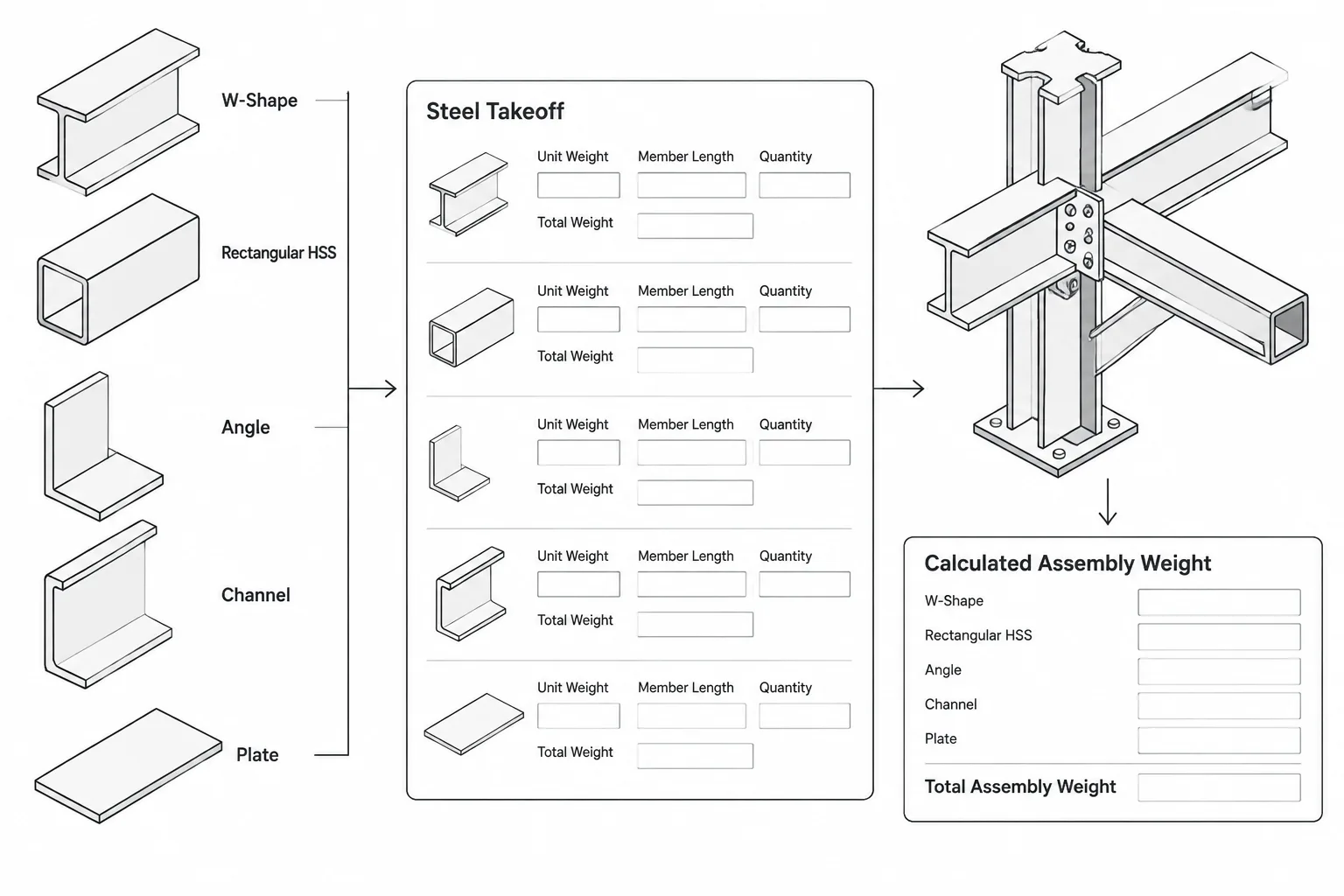
- Unit weight gives the mass per unit length stated for the section. Total member mass depends on the actual beam length and any added or removed material.
Practical CAD and detailing use
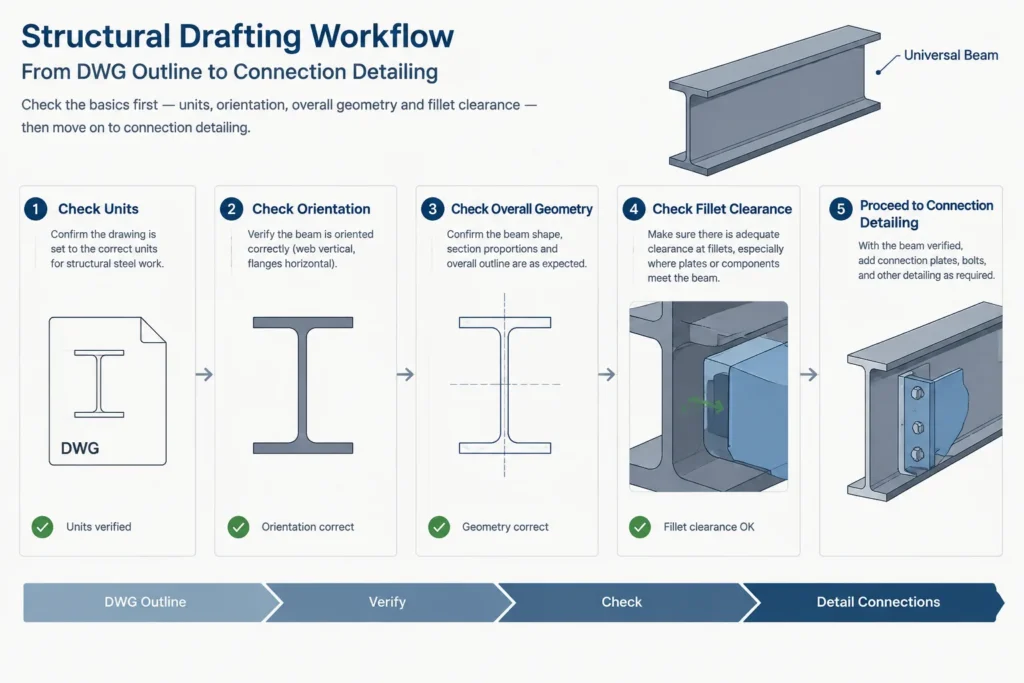
The accompanying DWG can support section identification, drawing setup, and coordination work. Before using the geometry, confirm the drawing units, insertion scale, orientation, and dimensional agreement with the published values shown on this page. Avoid relying on visual scaling from a preview or plotted sheet.
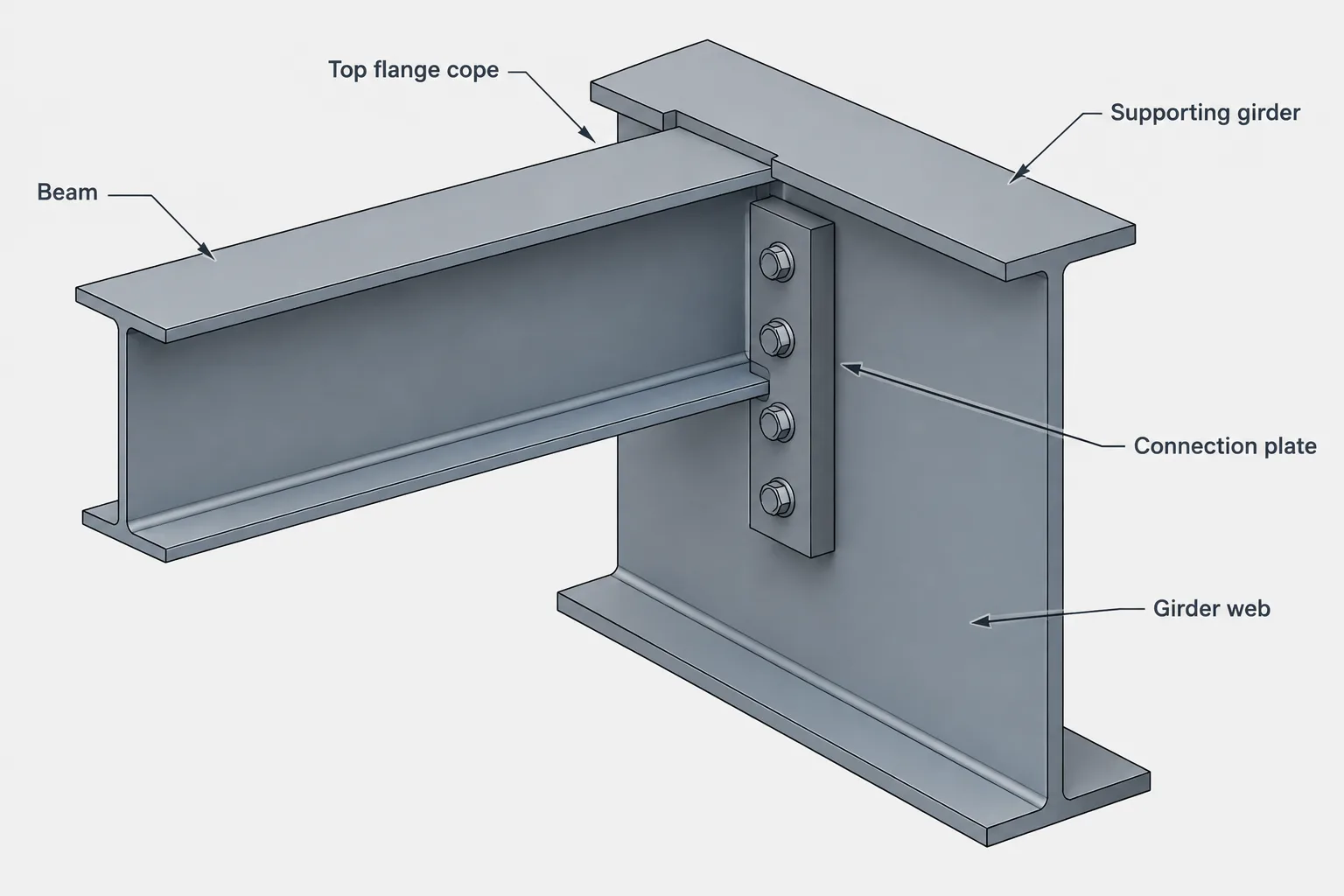
For connection detailing, account for the flange and web geometry as well as the root fillet. A plate or fastener layout that appears clear in a simplified rectangular profile may conflict with the rolled fillet region. End connections, copes, stiffeners, weld access, and fabrication clearances should be developed for the actual connection arrangement rather than inferred from the section outline alone.
Related reference topics
This section can be reviewed alongside universal beam dimensions, structural steel section properties, steel unit-weight concepts, rolled-section terminology, beam connection detailing, and steel CAD/DWG references. Comparing these topics helps separate geometric identification from structural design checks and fabrication requirements.
The dimensional and CAD information is a reference aid. Final section selection, member capacity, stability, connection design, tolerances, and project compliance require review against the governing design documents and applicable professional requirements.
Frequently asked questions
What does UB mean in UB 914x305x271?
UB means universal beam. It identifies a hot-rolled I-shaped steel section with flanges connected by a central web.
Why do the detailed dimensions differ from the designation?
A section designation is an identifying name and may use rounded values. For drafting and coordination, use the detailed dimensions stated in the technical source content rather than deriving geometry from the designation alone.
What is the root fillet radius used for?
The root fillet radius defines the curved transition between the web and flange. Drafters and detailers should consider this curved region when positioning plates, fasteners, welds, stiffeners, or cuts near the flange-to-web junction.
Can the unit weight be used to estimate total beam mass?
Yes. Unit weight expresses mass per unit length, so it can be combined with the actual member length for an initial mass estimate. Connection material, end plates, stiffeners, coatings, holes, copes, and other modifications may affect the completed assembly.
Is the DWG sufficient for structural design?
No. A DWG can assist with geometry and drafting, but it does not establish member capacity or connection adequacy. Structural design must consider the complete loading, restraint, stability, material, connection, and code requirements for the project.