UB 254x102x22 is a Universal Beam reference for identifying the section geometry and published properties of this hot-rolled structural steel profile. The source data below gives the listed dimensions, sectional area, unit weight, standard reference, and an associated DWG resource.
Use this page as a practical reference when reviewing steel schedules, drawings, connection details, and preliminary material takeoffs. Design decisions should be based on the governing project requirements, verified material information, and qualified engineering review.
UB 254x102x22
Universal Beams
refer to : EN 10365:2017
a European standard that defines the dimensions, tolerances, and sectional properties for hot-rolled steel channels, I-beams, and H-beams used in construction and engineering. It ensures uniformity and compatibility across European structural steel products.
Dimension : 254×101.6×5.7×6.8
Depth : 254 mm
Width : 101.6 mm
Web Thickness : 5.7 mm
Flange Thickness : 6.8 mm
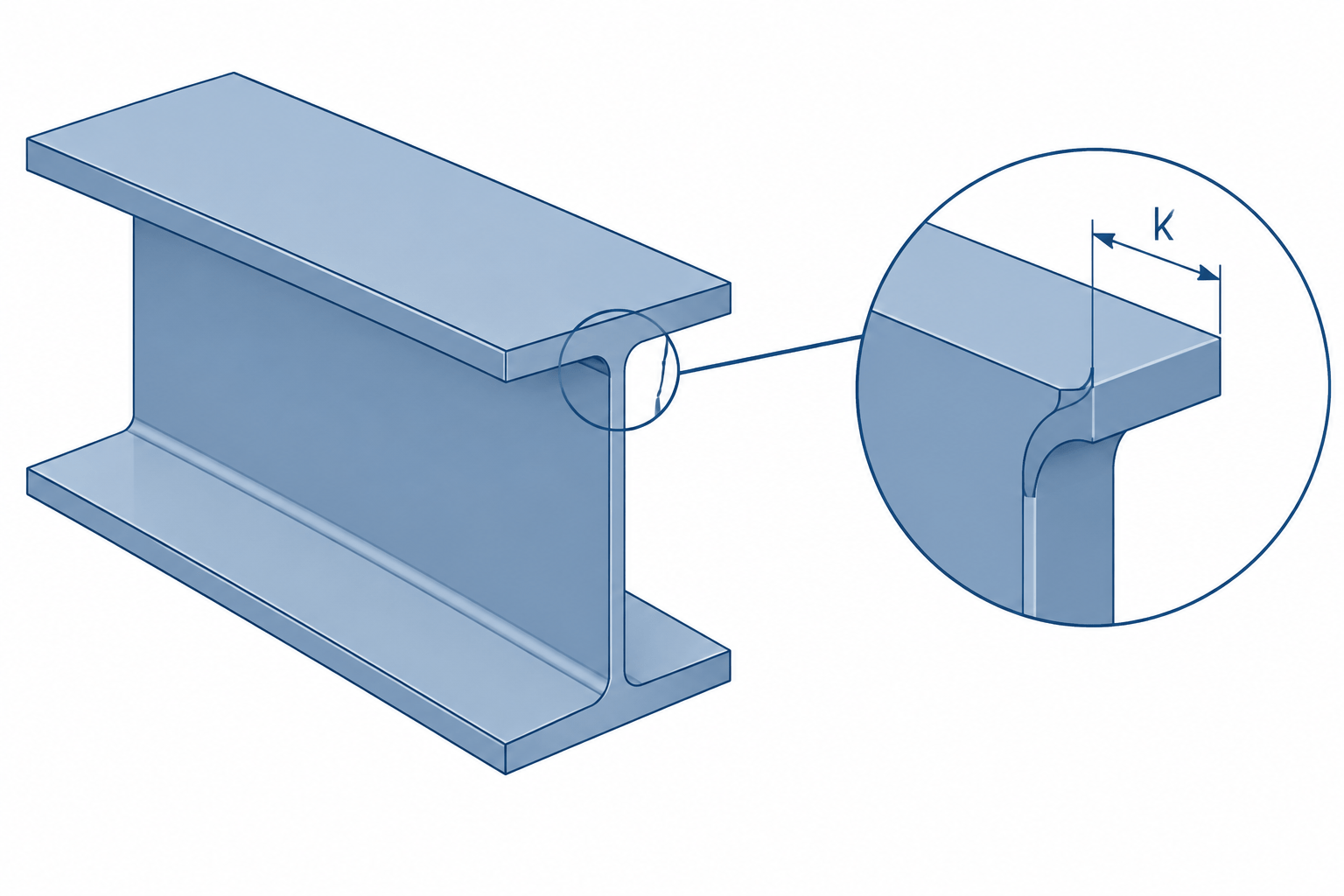
Root Fillet Radius : 8 mm
Sectional Area : 28 cm2
Unit Weight : 22 kg/m
Understanding the UB 254x102x22 designation
The UB designation identifies a Universal Beam section. The accompanying designation is used to distinguish this profile from other beam sizes, while the detailed dimension line provides the section geometry used for drafting, checking, and fabrication reference.
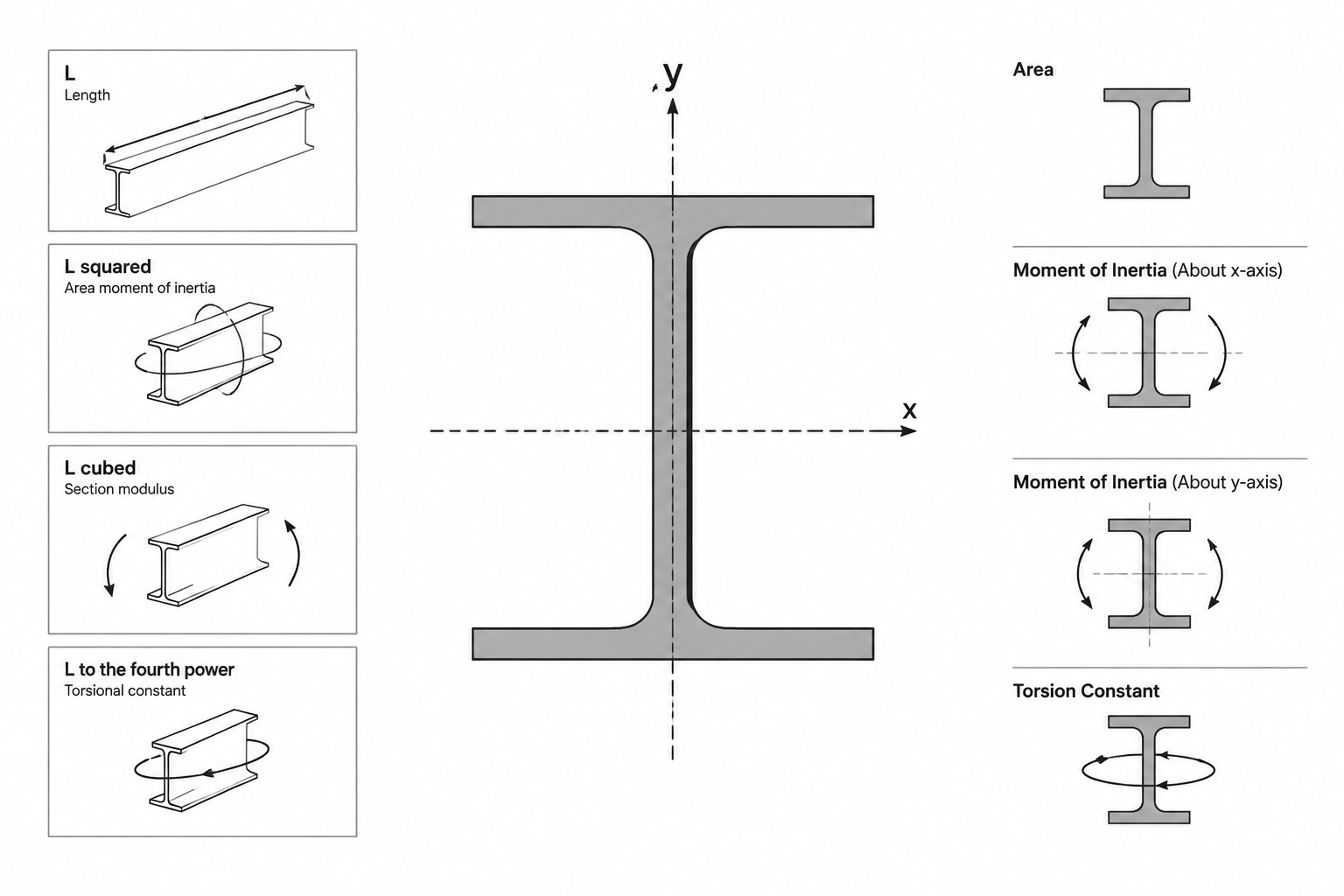
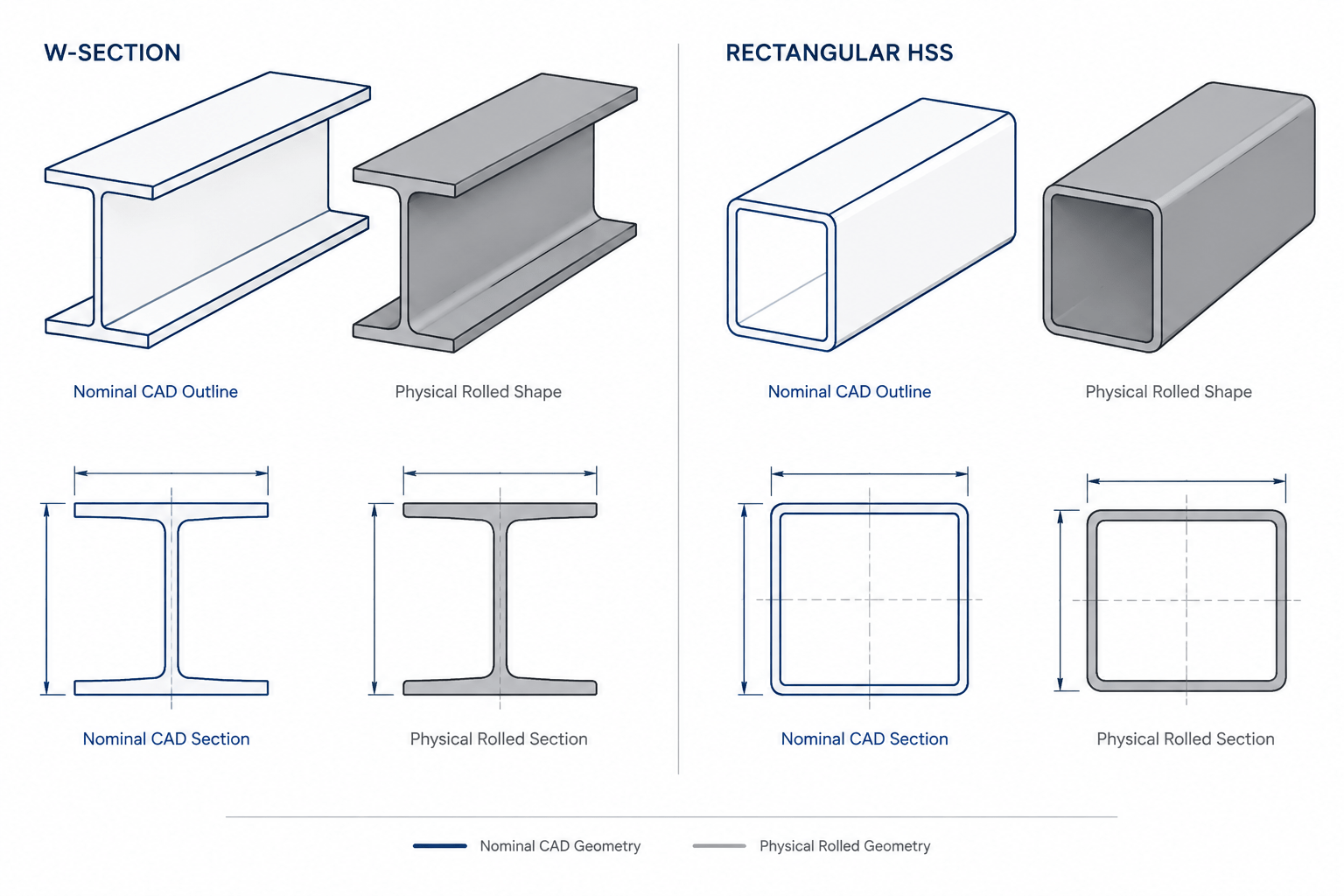
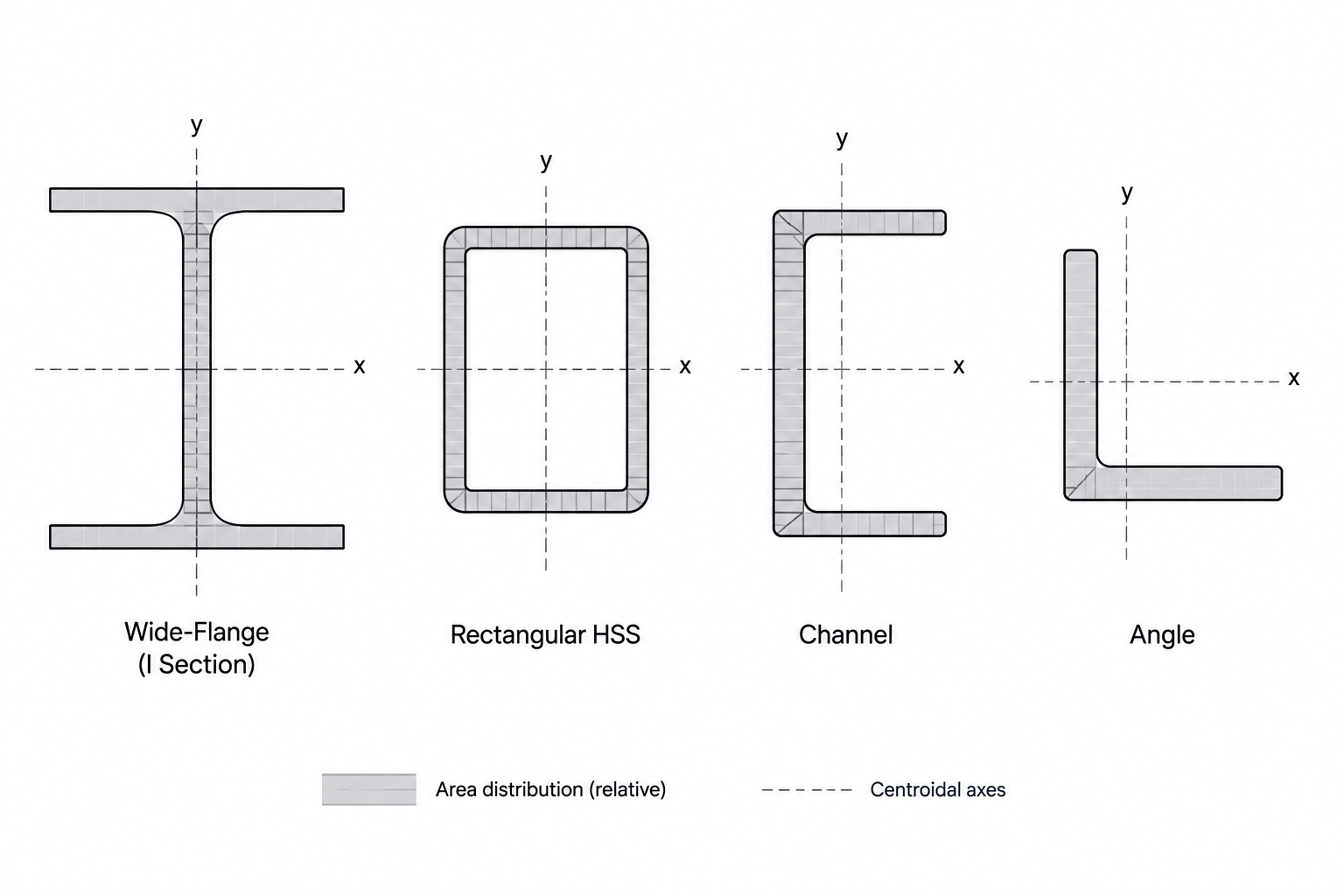
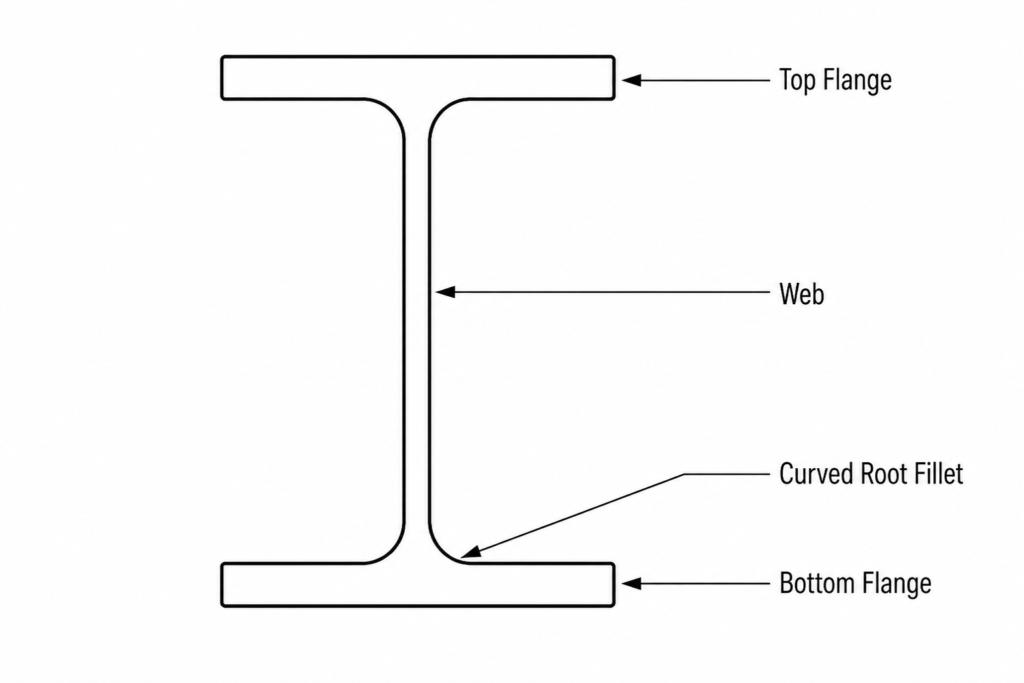
In the source data, the dimension line presents the overall depth and width together with the web thickness and flange thickness. These terms describe the primary elements of an I-shaped section: the web connects the flanges, and the flanges provide the broad horizontal portions of the profile.
How to read the listed section properties
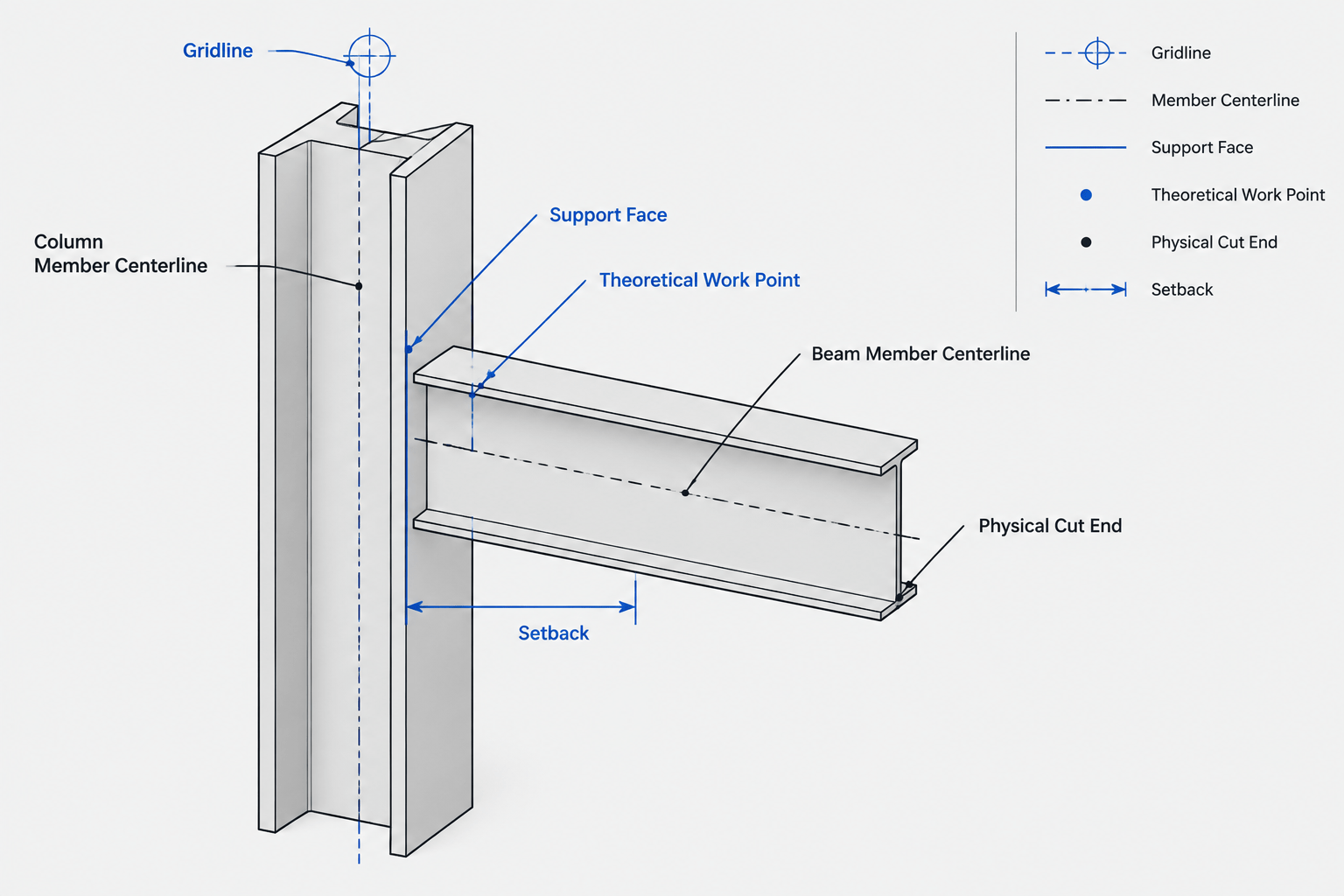
Depth and width help establish the overall envelope of the section for layout, clearance checks, and coordination with adjacent components. Web thickness and flange thickness are important when reviewing connection details, fabrication interfaces, and local detailing conditions.
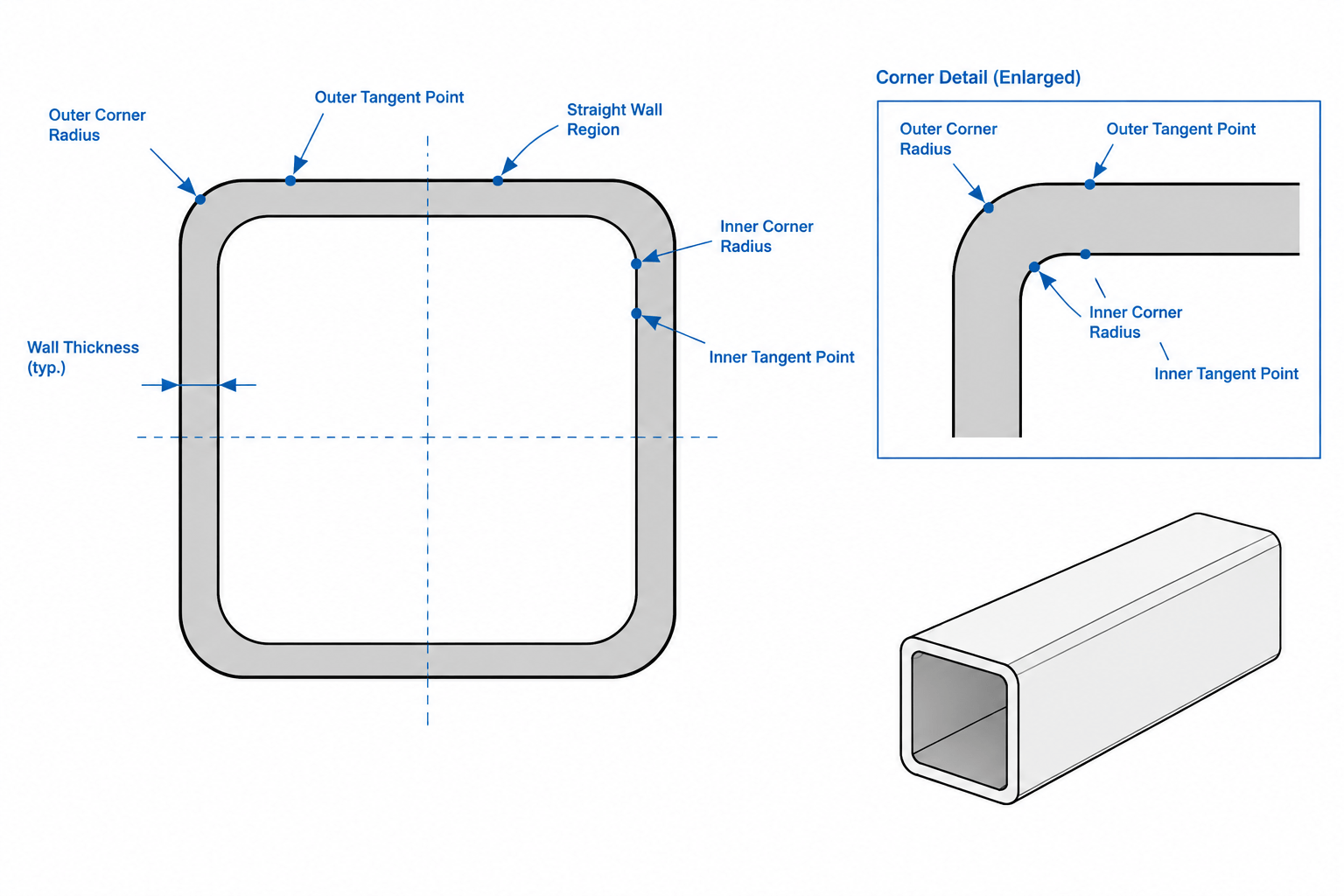
The root fillet radius identifies the curved transition between the web and flange. This area should be considered when a plate, angle, stiffener, bearing surface, or connection component approaches the inside corner of the beam.
Sectional area is a cross-sectional property used in engineering calculations, while unit weight supports material takeoffs, handling assessments, and estimation of steel quantities. Neither value should be used in isolation to establish structural adequacy.
Standard and drawing reference
The source identifies EN 10365:2017 as the applicable reference for the dimensions, tolerances, and sectional properties of hot-rolled steel channels, I-beams, and H-beams. Always confirm that the project specification, material documentation, and required tolerances align with the intended application.
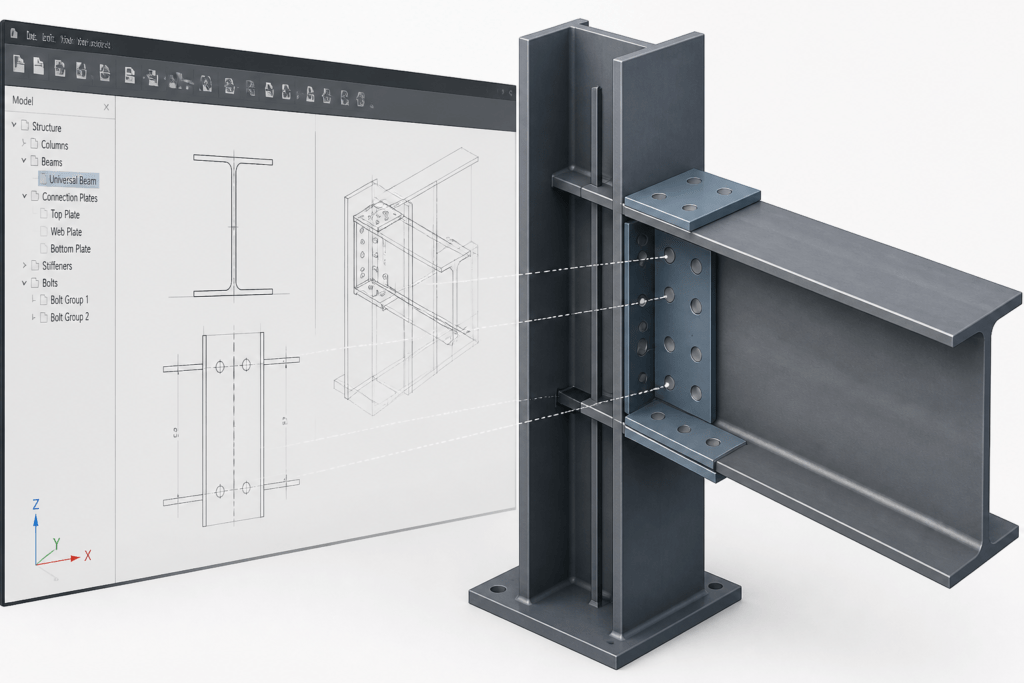
The downloadable DWG associated with this entry can support CAD coordination and drafting. Before fabrication or construction use, check the drawing against the project model, connection design, orientation, and any required detailing allowances.
Related steel reference topics
This profile is best reviewed alongside references covering Universal Beam terminology, section dimensions, steel section properties, connection detailing, root fillets, and CAD block or DWG coordination. These related topics help connect the tabulated profile data with practical drawing and engineering workflows.
Frequently asked questions
What does UB mean?
UB means Universal Beam, a hot-rolled structural steel section with an I-shaped profile consisting of flanges connected by a web.
What information is provided for UB 254x102x22?
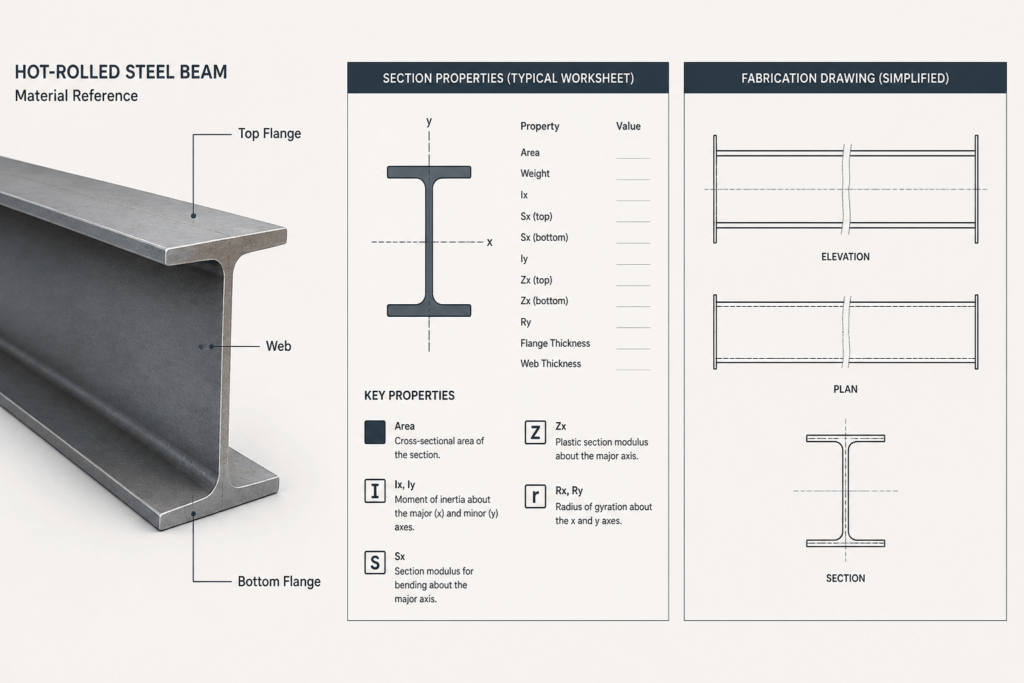
The source lists the section dimension string, depth, width, web thickness, flange thickness, root fillet radius, sectional area, unit weight, standard reference, and a DWG download.
Why is the root fillet radius important?
The root fillet is the curved transition between the web and flange. It can affect clearances and the fit of plates, stiffeners, bearing components, and connection details placed near the inside corner.
Can the listed unit weight be used for structural design?
The unit weight is useful for estimating steel quantity and self-weight. Structural design still requires the applicable loads, material information, restraint conditions, design method, and engineering verification.
What is the role of the EN 10365 reference?
It provides the referenced framework for dimensions, tolerances, and sectional properties associated with the listed hot-rolled steel section types. Project requirements should be checked separately.