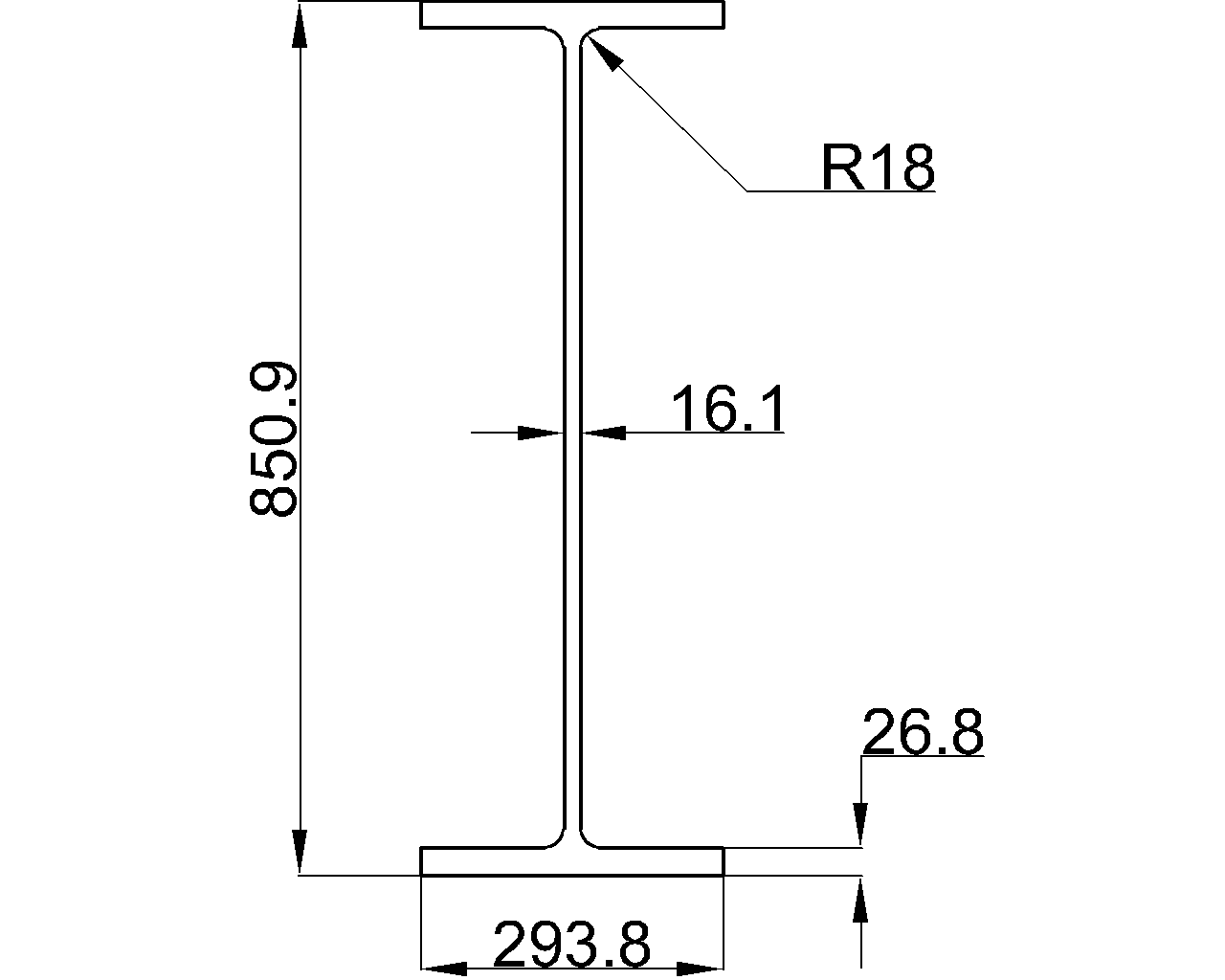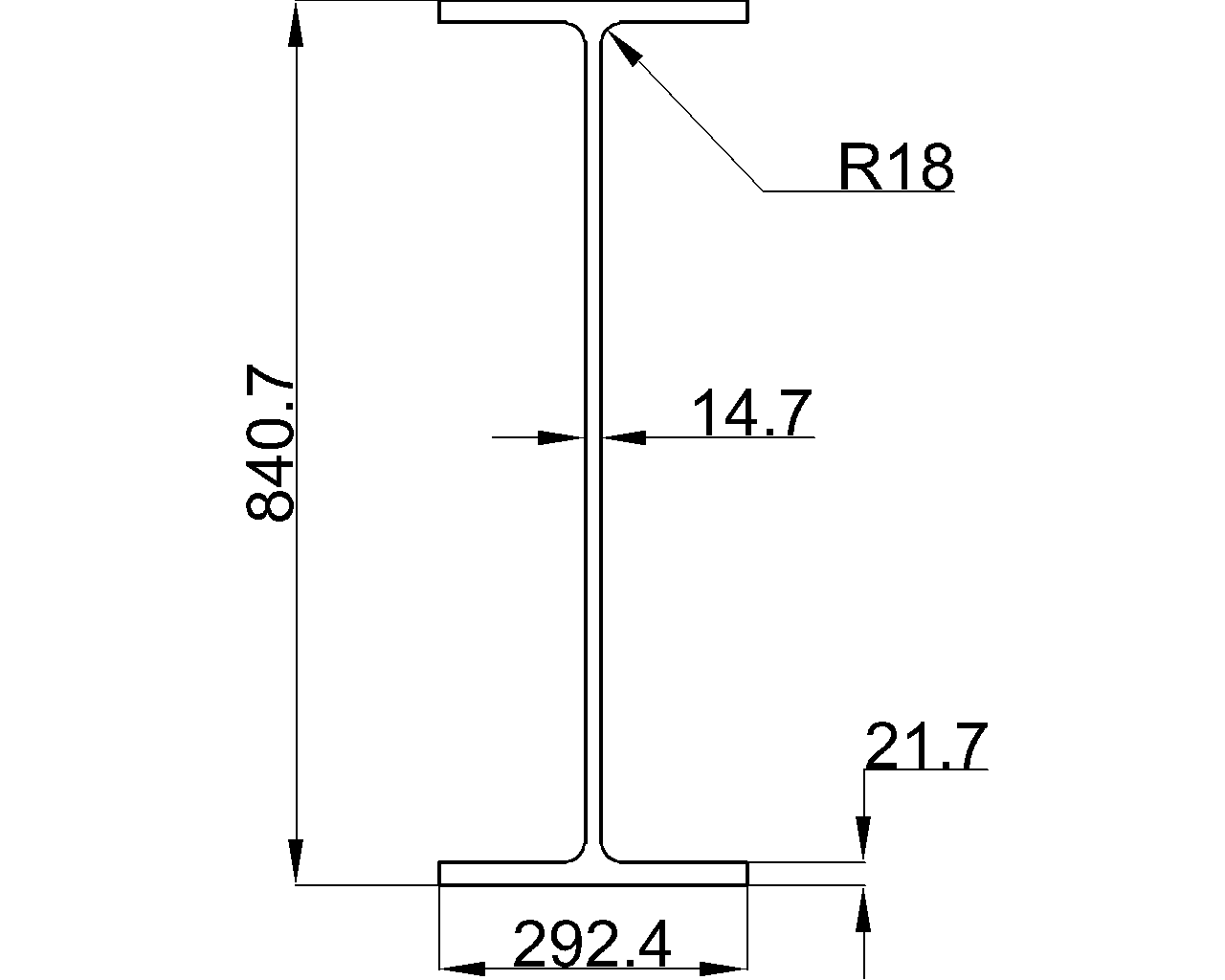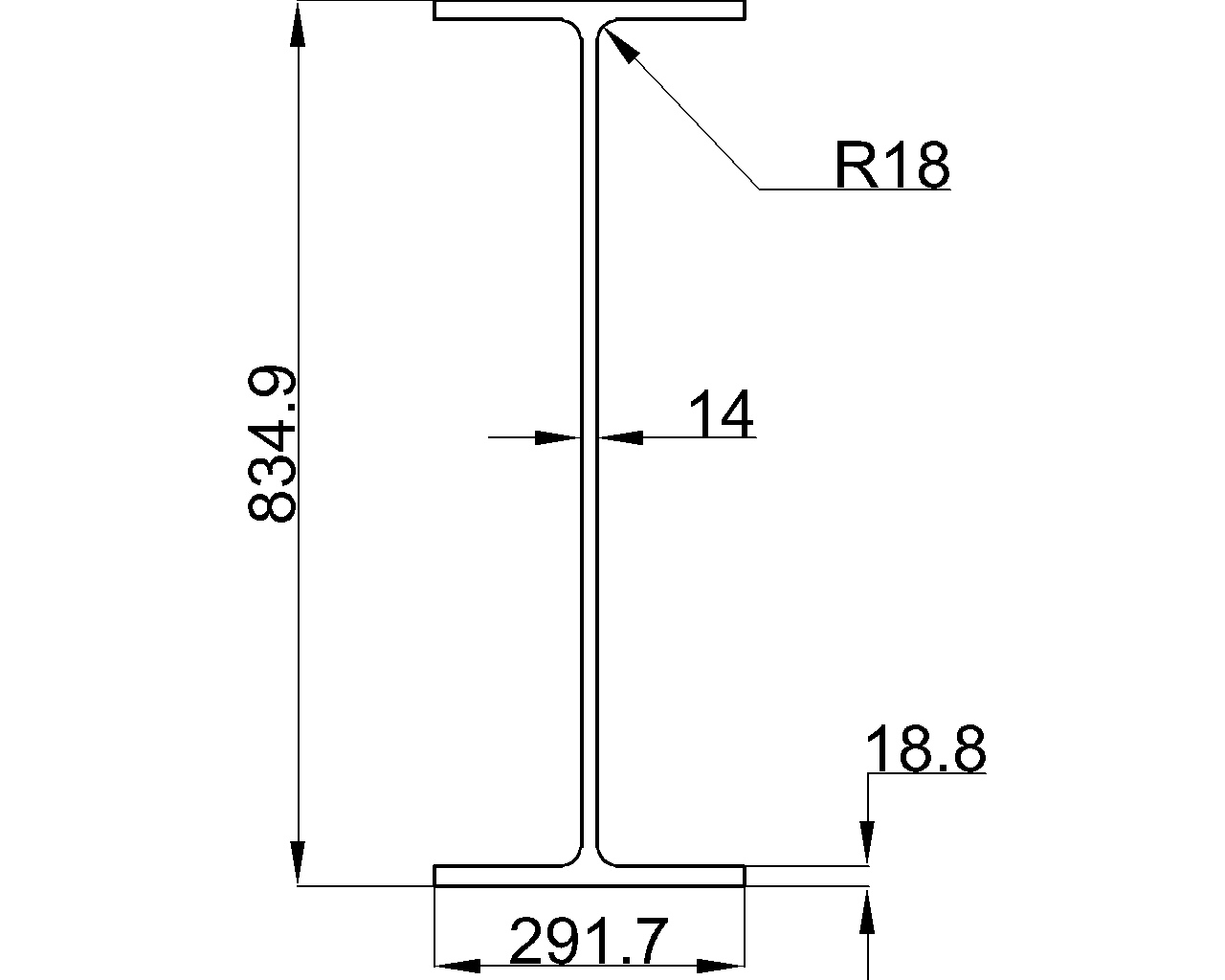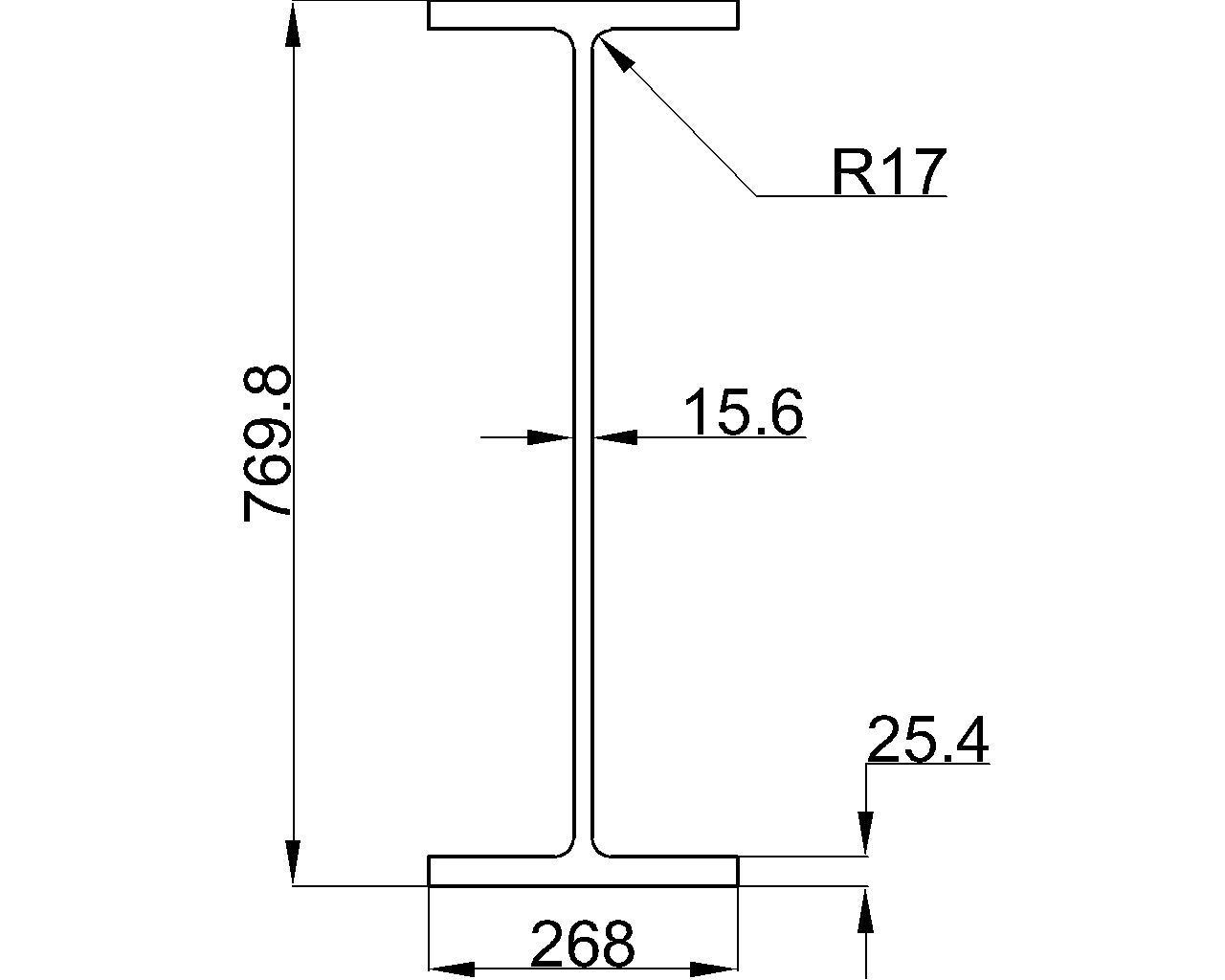
The UB 920x420x449 is a Universal Beam reference entry for engineers, detailers, fabricators, and students working with structural steel sections. The source data below identifies its listed dimensions, sectional area, unit weight, and root fillet radius.
Use the designation as the section-series reference, then confirm the detailed geometry in the supplied data before preparing drawings, connection details, quantity takeoffs, or design checks. The accompanying DWG resource can support drafting workflows, but it should be reviewed against the project’s governing documents and engineering requirements.
UB 920x420x449
Universal Beams
refer to : EN 10365:2017
a European standard that defines the dimensions, tolerances, and sectional properties for hot-rolled steel channels, I-beams, and H-beams used in construction and engineering. It ensures uniformity and compatibility across European structural steel products.
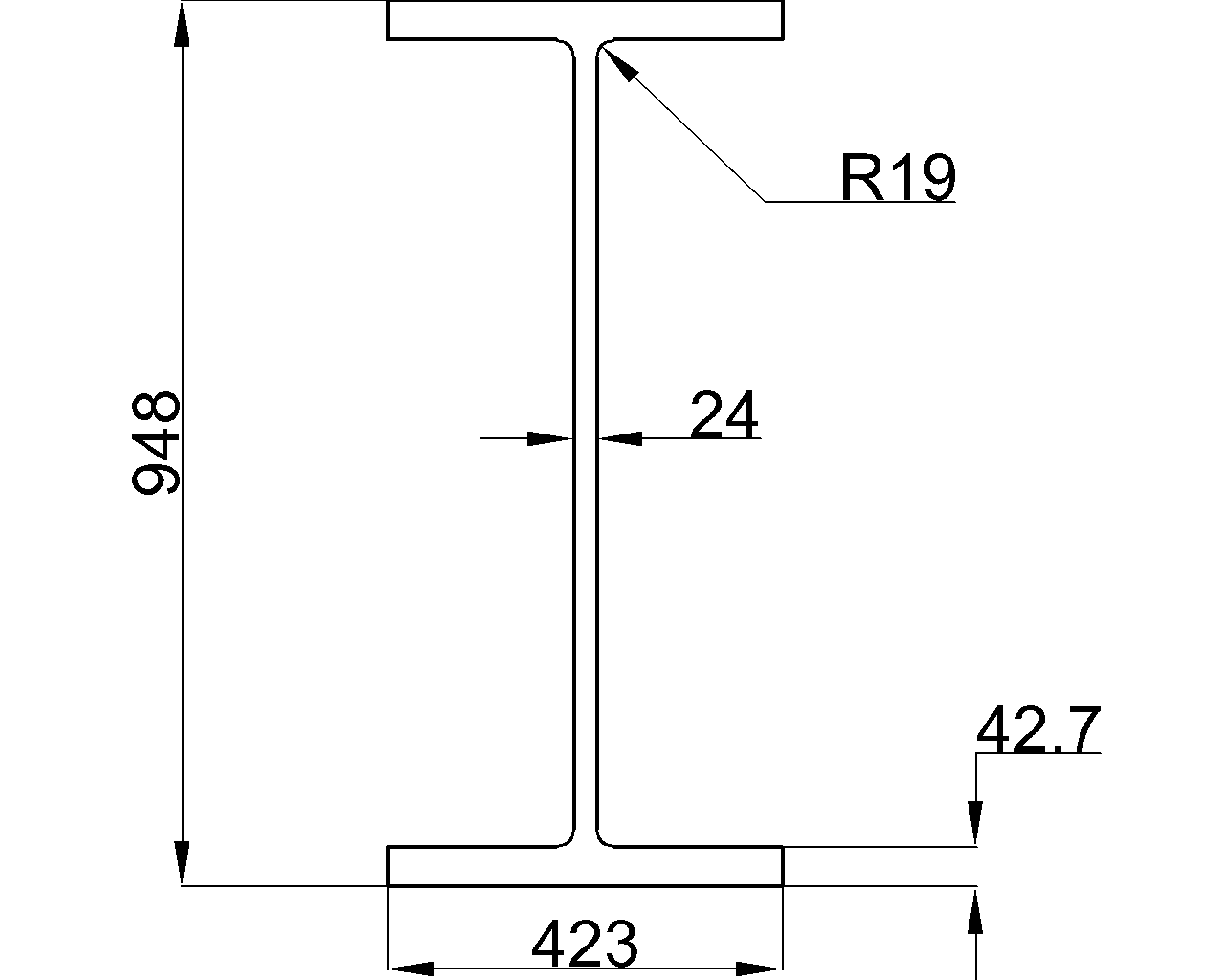
Dimension : 948x423x24x42.7
Depth : 948 mm
Width : 423 mm
Web Thickness : 24 mm
Flange Thickness : 42.7 mm
Root Fillet Radius : 19 mm
Sectional Area : 571.4 cm2
Unit Weight : 448.5 kg/m
How to read this UB reference
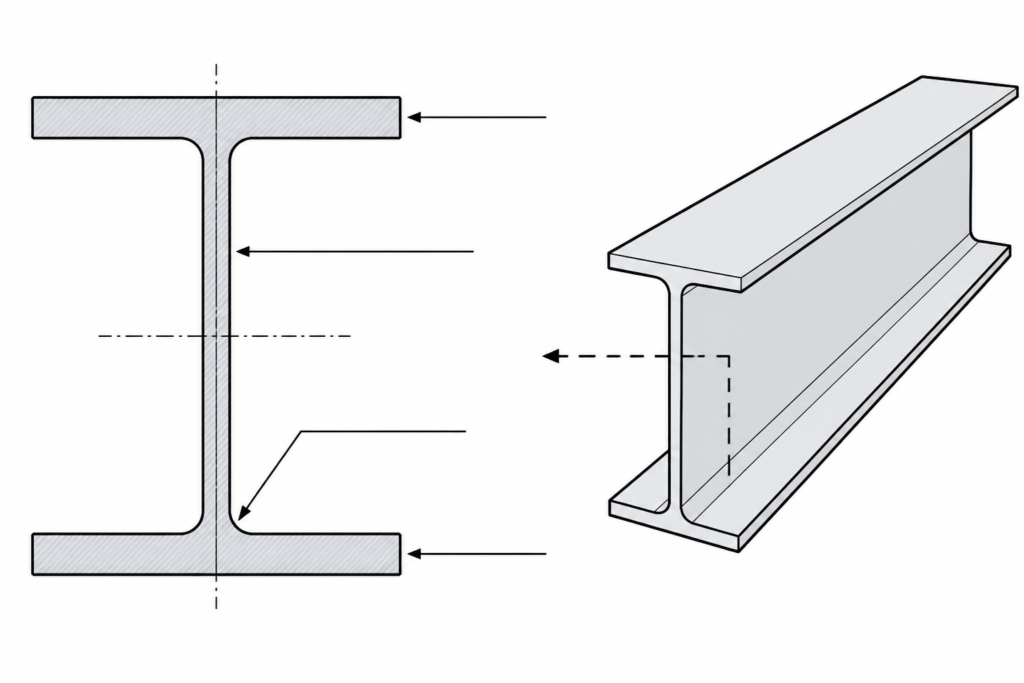
A Universal Beam designation identifies a standardized steel section within a broader product series. It is not a substitute for the detailed dimensional record. For this entry, the source separately reports overall depth, flange width, web thickness, flange thickness, root fillet radius, sectional area, and unit weight.
Why the listed properties matter
Depth and width help establish the section envelope for layout, clearance, end detailing, and coordination with connected members. Web and flange thickness describe the principal plate elements and are relevant when reviewing local detailing, connection interfaces, fabrication, and resistance checks.
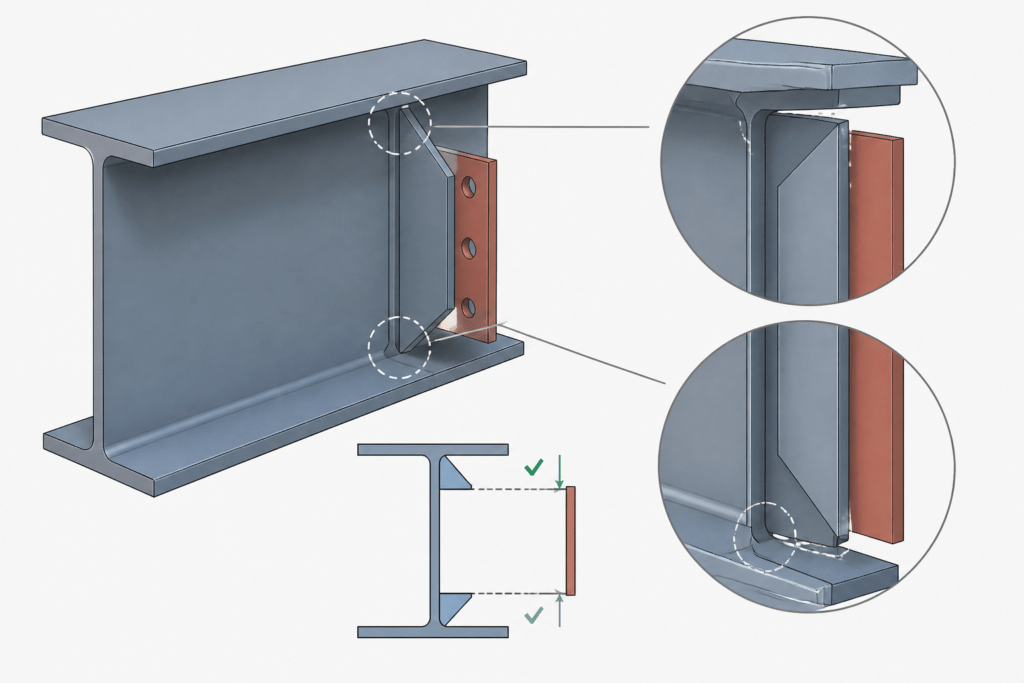
The root fillet radius identifies the curved transition between the web and flange. This region affects accurate drafting and may need consideration when a plate, stiffener, bearing detail, or connection component approaches the rolled profile.
Sectional area is used in steel quantity calculations and forms part of the information needed for member resistance and mass-related assessments. Unit weight supports material takeoffs, handling estimates, shipping coordination, and dead-load calculations. These properties should be used with the applicable material grade, design rules, load effects, and project specifications rather than treated as a complete design basis.
Standard and CAD reference context
The source identifies EN 10365:2017 as the referenced European standard for the dimensional and sectional-property context of hot-rolled structural shapes. Always verify procurement documents and the applicable project standard before ordering or detailing a section.
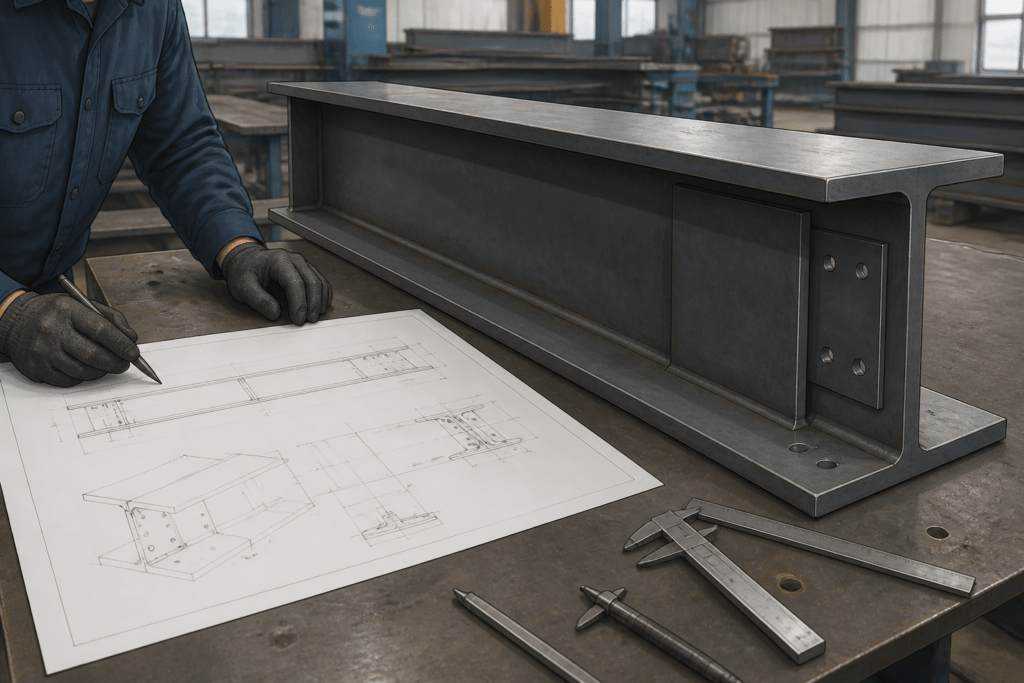
The provided DWG is useful for initial CAD coordination and section-profile reference. Before release, compare the drawing with the authoritative tabulated data and check drawing units, tolerances, fabrication requirements, connection clearances, and any required project-specific amendments.
Frequently asked questions
What does UB 920x420x449 identify?
It identifies a Universal Beam section in the source’s UB series. The detailed geometry and properties should be taken from the listed reference data rather than inferred from the designation alone.
What is the purpose of the root fillet radius?
It describes the rounded transition between the web and flange of the rolled section. This is important when checking fit-up, detailing plates near the web-to-flange junction, and using CAD geometry for coordination.
Can the listed unit weight be used for a structural design?
It can support material quantity and dead-load calculations, but a complete design also requires the applicable material properties, loads, restraints, limit states, connection design, and governing code checks.
Is the supplied DWG sufficient for fabrication?
The DWG is a drafting reference. Fabrication should proceed only after the drawing has been checked against the authoritative section data, project tolerances, connection details, and approved engineering documents.
Why should the sectional area be recorded separately from unit weight?
Sectional area describes the steel cross-section and is useful for analytical and quantity-related work. Unit weight expresses the corresponding mass per unit length, so the two properties serve related but different purposes.