This page provides a concise dimensional and CAD reference for the UB 838x292x251 universal beam. The source information below identifies the governing product reference, principal profile dimensions, sectional area, unit weight, and the associated DWG download.
Use the listed properties to identify the section and coordinate drafting information. They should not be treated as a complete structural design dataset or as confirmation that the member is suitable for a particular load, span, connection, or project.
UB 838x292x251
Universal Beams
refer to : EN 10365:2017
a European standard that defines the dimensions, tolerances, and sectional properties for hot-rolled steel channels, I-beams, and H-beams used in construction and engineering. It ensures uniformity and compatibility across European structural steel products.
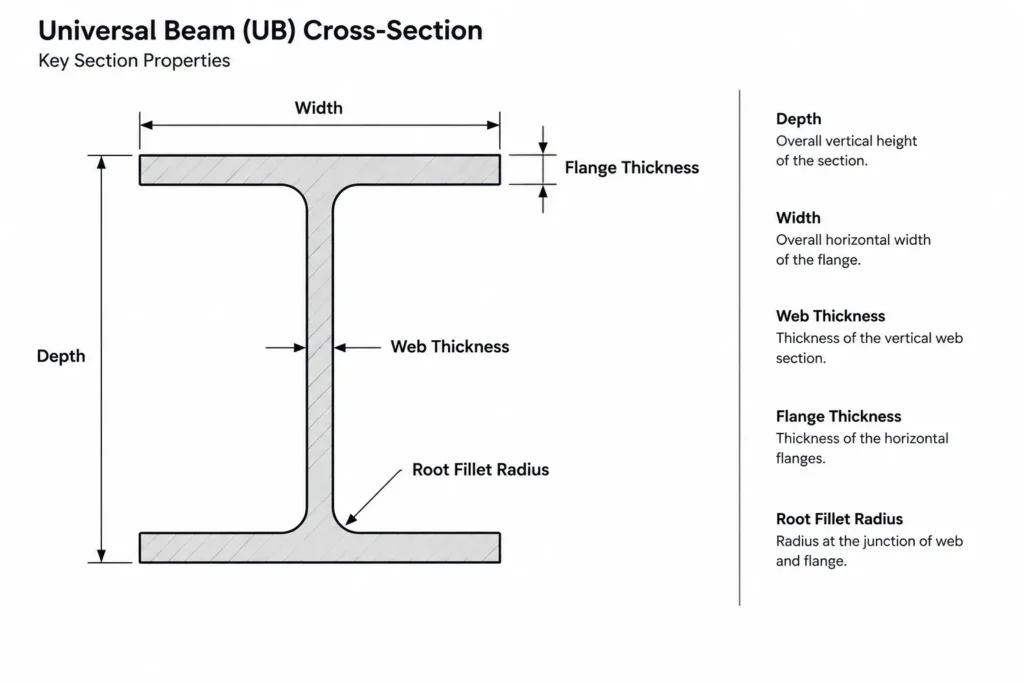
Dimension : 859x292x17x31
Depth : 859 mm
Width : 292 mm
Web Thickness : 17 mm
Flange Thickness : 31 mm
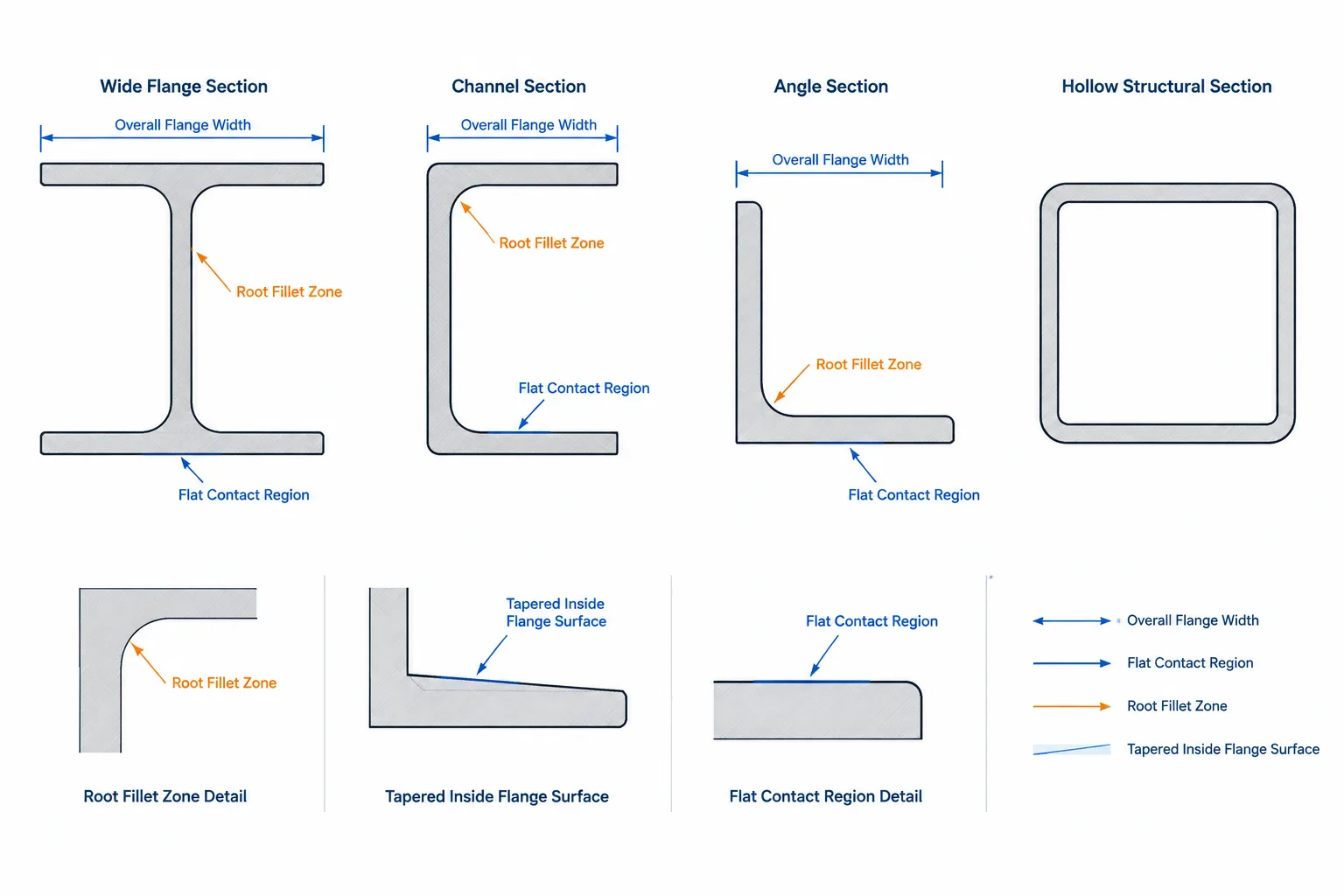
Root Fillet Radius : 18 mm
Sectional Area : 319.3 cm2
Unit Weight : 250.7 kg/m
How to read this UB section reference
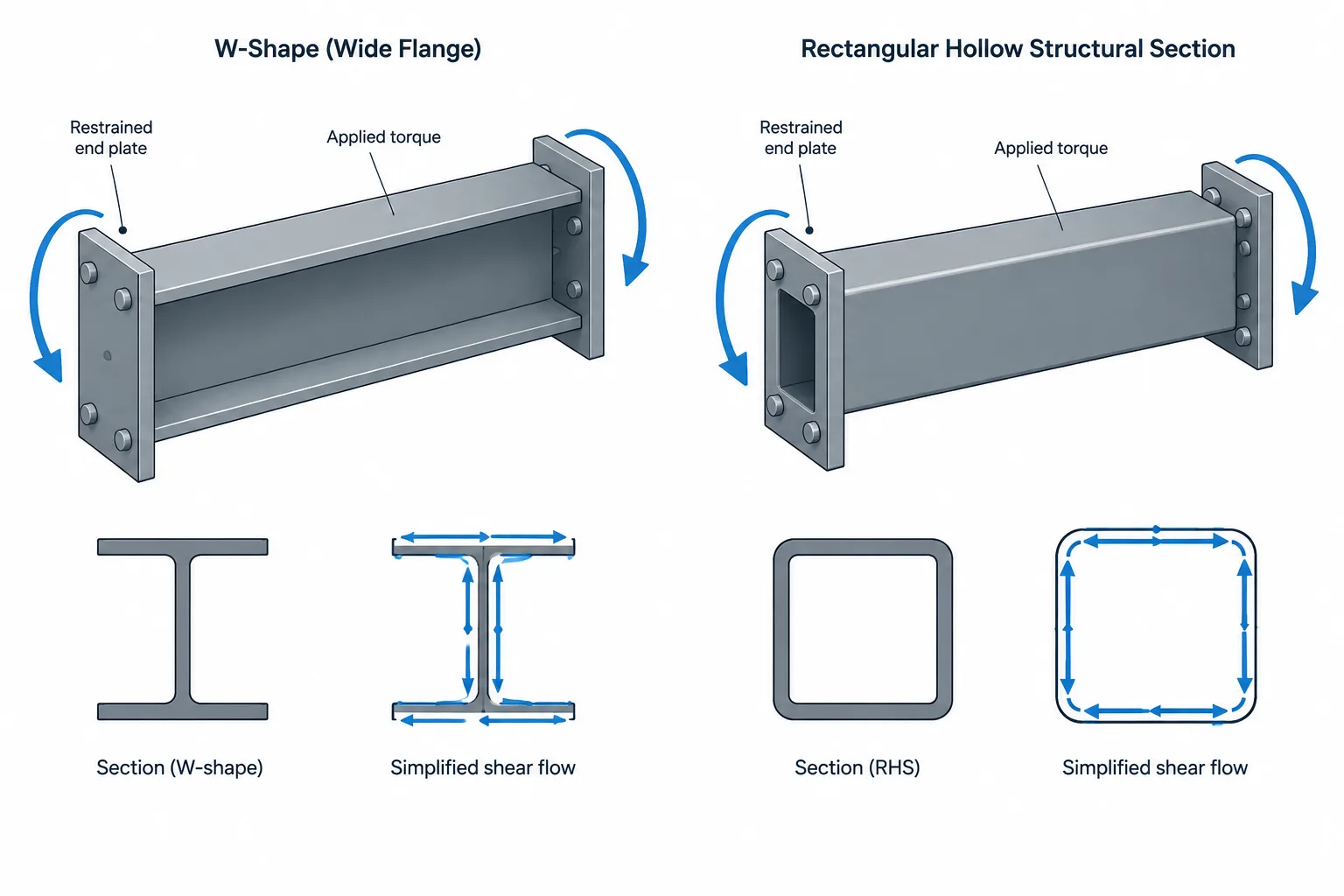
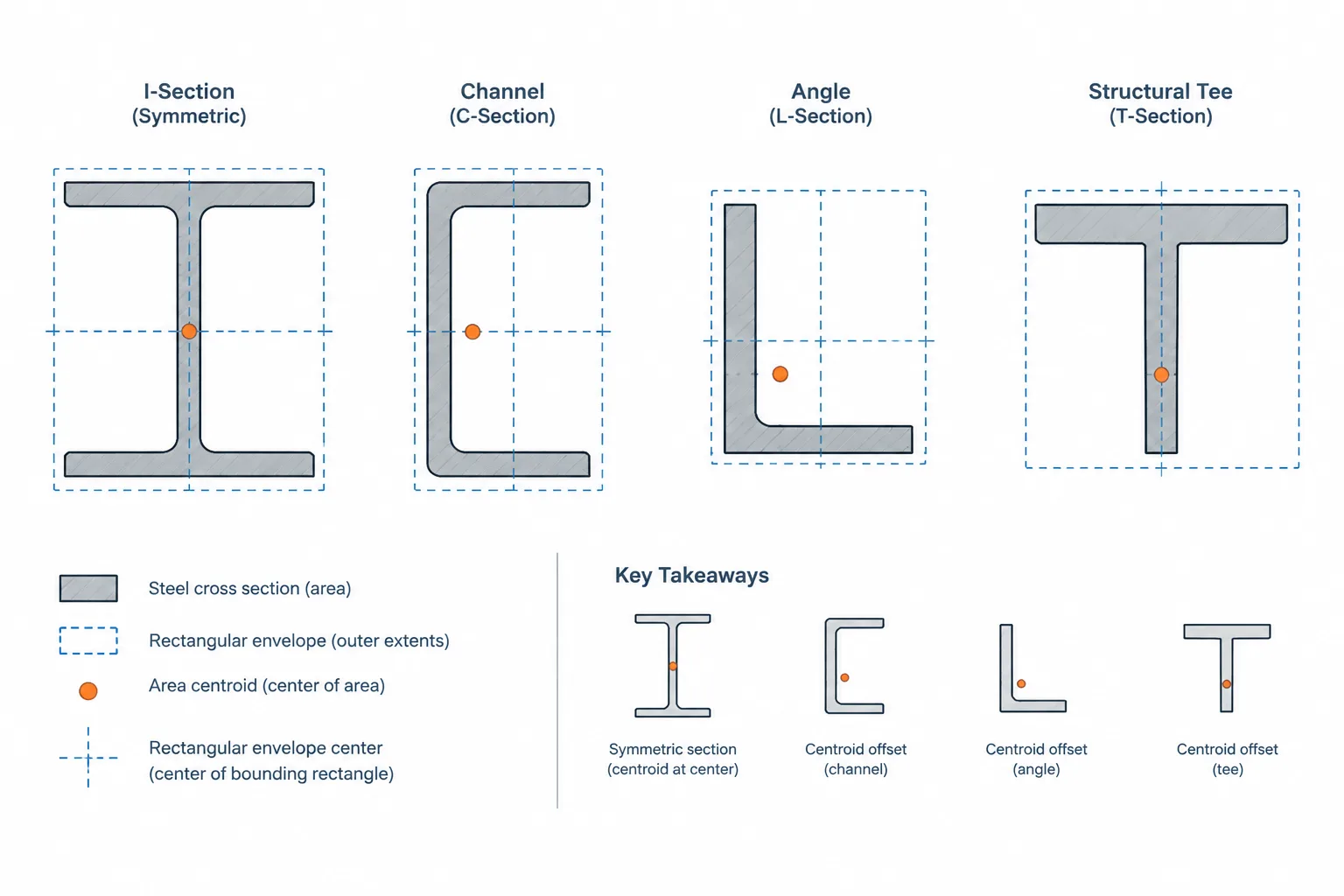
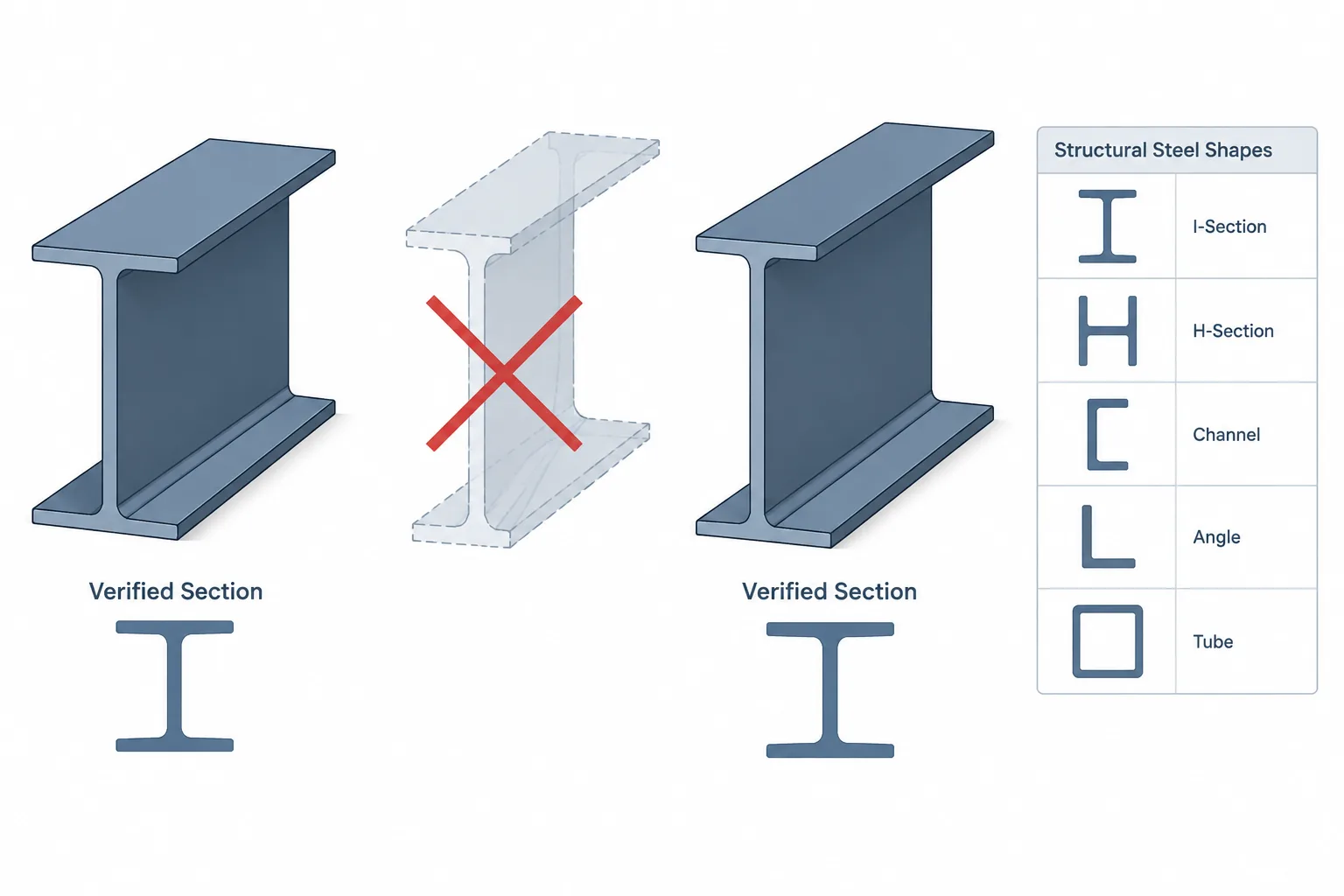
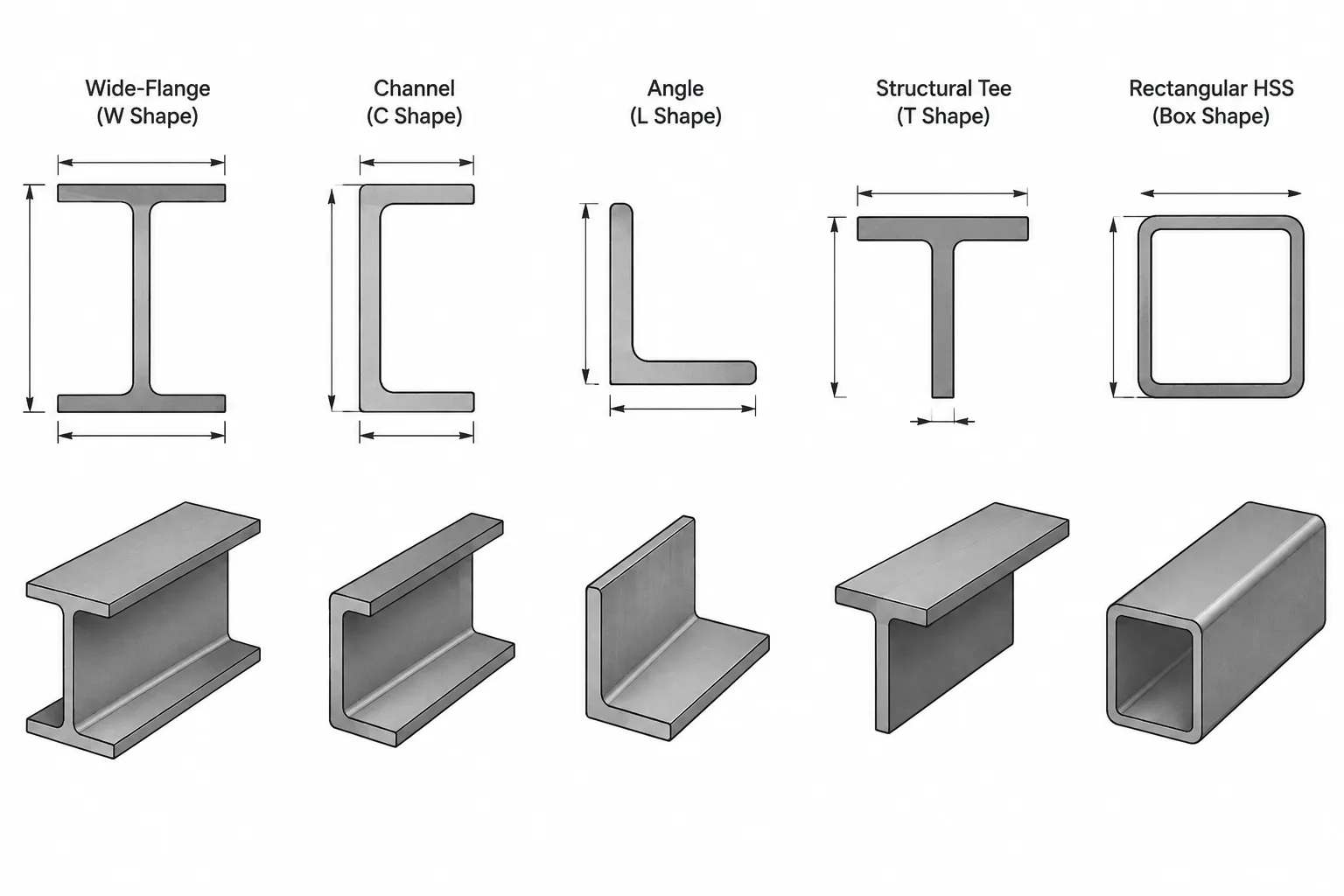
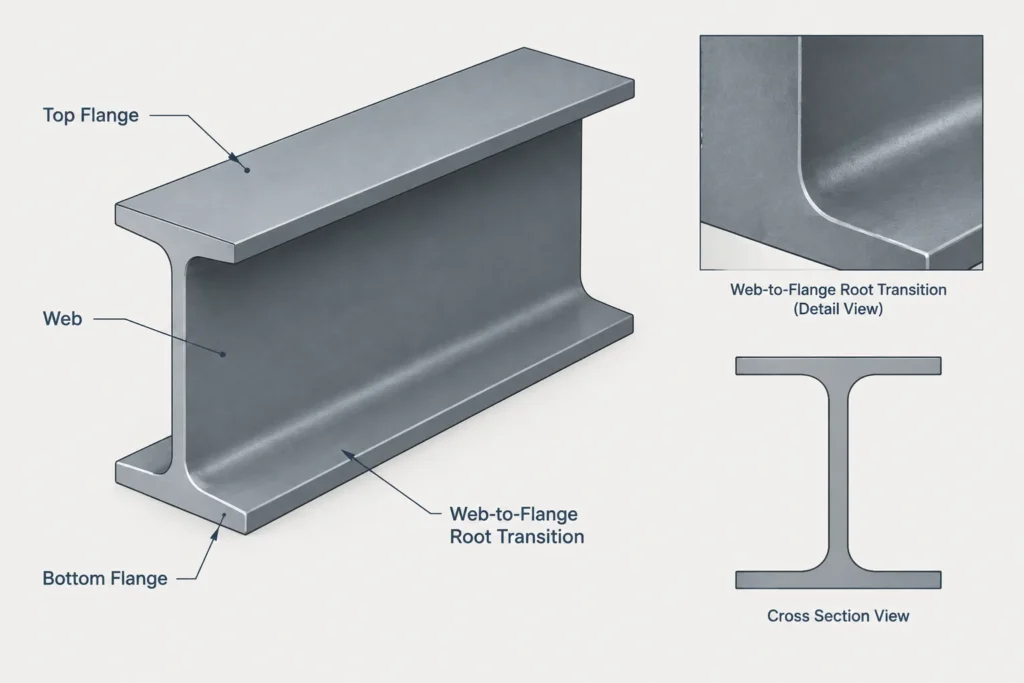
A universal beam is a hot-rolled, I-shaped steel section with two flanges connected by a web. The depth and width describe the overall profile envelope, while the web thickness and flange thickness describe the principal plate-like elements of the rolled shape. The root fillet radius identifies the curved transition between the web and flange.
The designation UB 838x292x251 is a section identifier, but the designation should not be substituted for the detailed dimensions shown in the source content. For drafting, coordination, and clearance checks, use the listed depth, width, thicknesses, and root radius rather than assuming that every designation component is an exact finished dimension.
Understanding the listed properties
- Depth: The overall vertical dimension of the section in its usual beam orientation.
- Width: The overall flange width across the profile.
- Web thickness: The thickness of the central element connecting the flanges.
- Flange thickness: The listed thickness of the upper and lower flange elements.
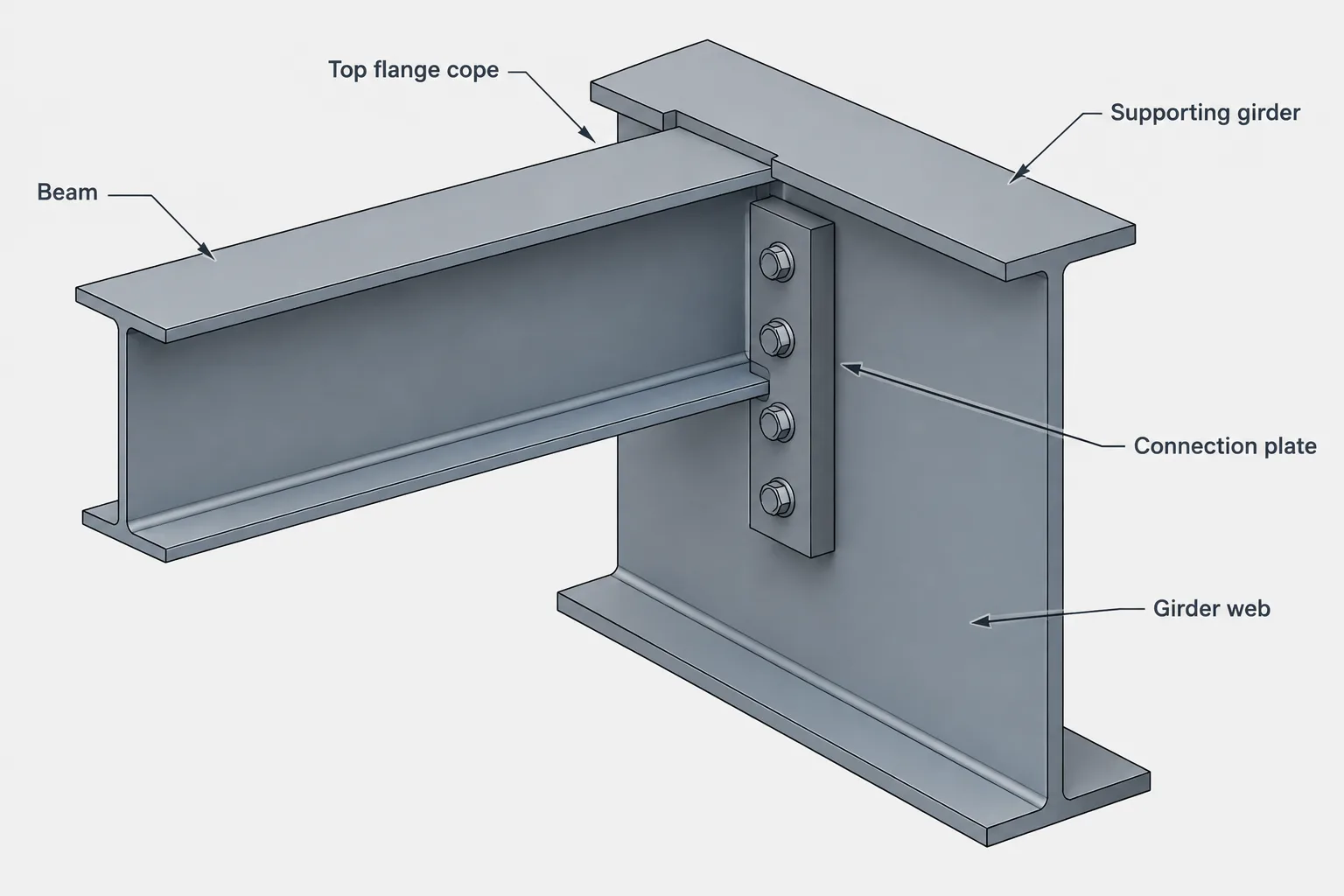
- Root fillet radius: The curved internal transition where the web meets a flange. This matters when detailing plates, weld access, copes, and nearby components.
- Sectional area: The cross-sectional steel area. It is a geometric property and is not, by itself, a load capacity.
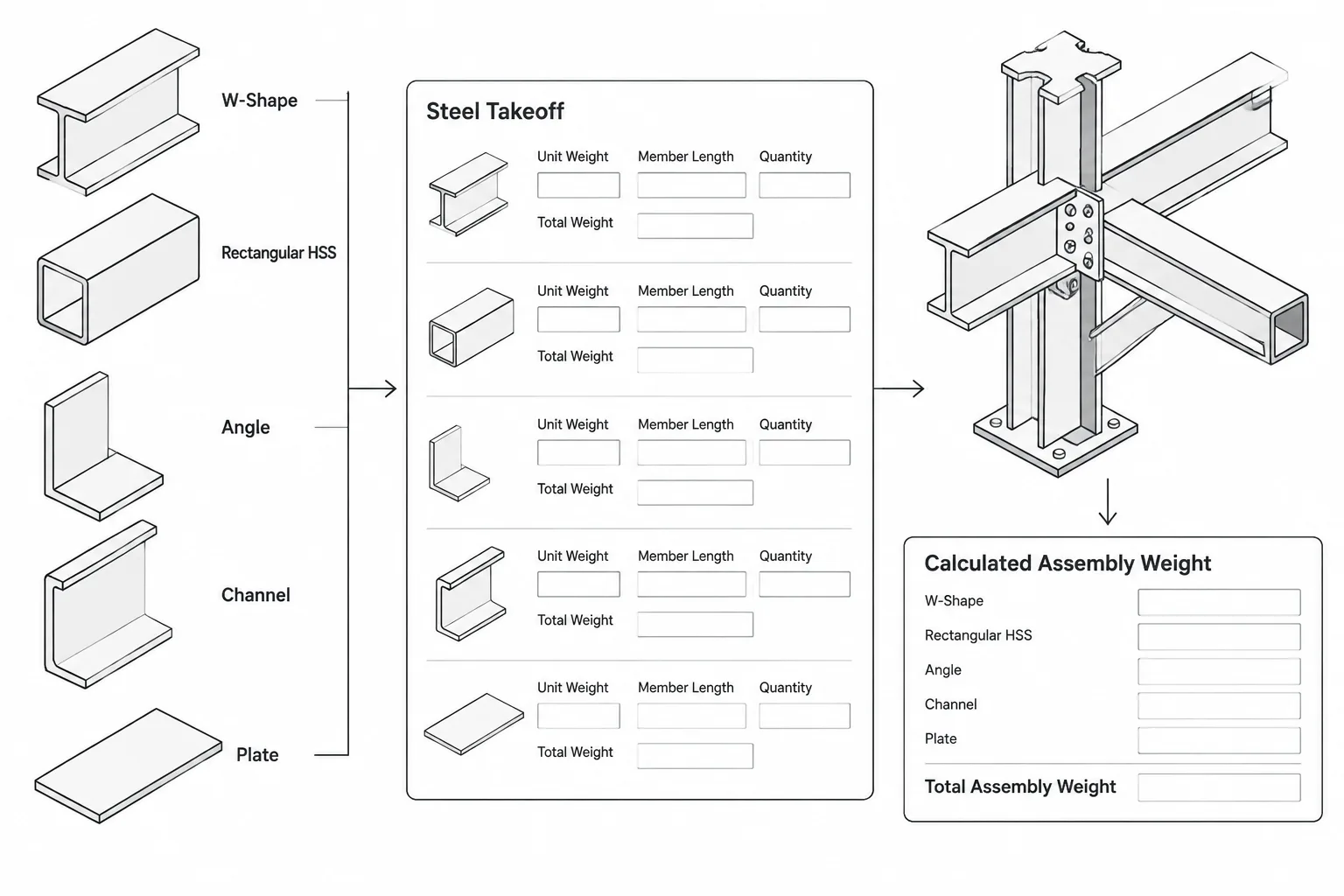
- Unit weight: The listed mass per unit length, commonly used for material takeoffs and preliminary weight calculations.
Standard and detailing context
The source identifies EN 10365:2017 as the section reference. When coordinating with project specifications, confirm that the required product standard, section designation, material grade, tolerances, and procurement requirements all agree with the design documents. A section profile standard does not replace project-specific structural design or fabrication requirements.
Using the DWG in a CAD workflow
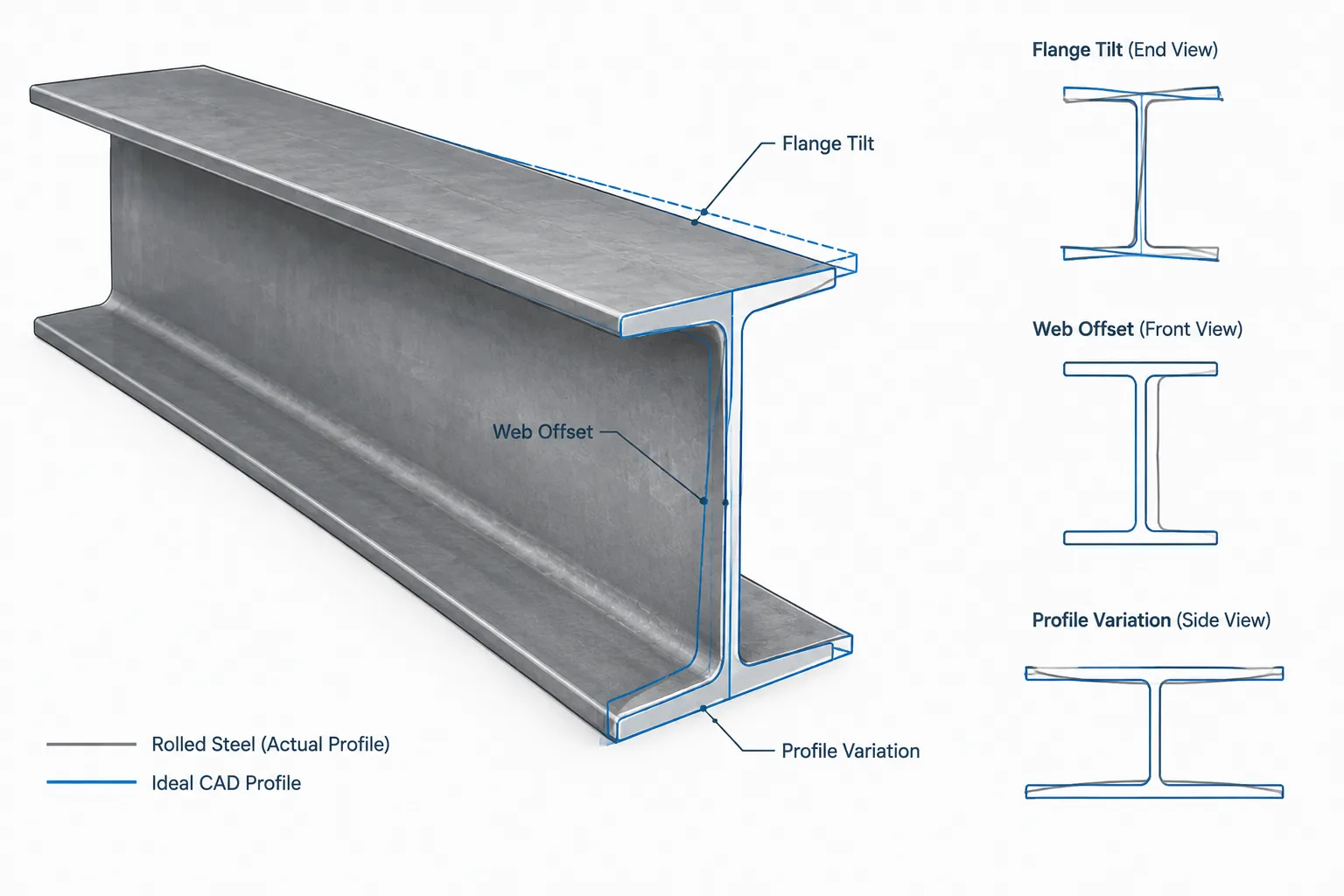
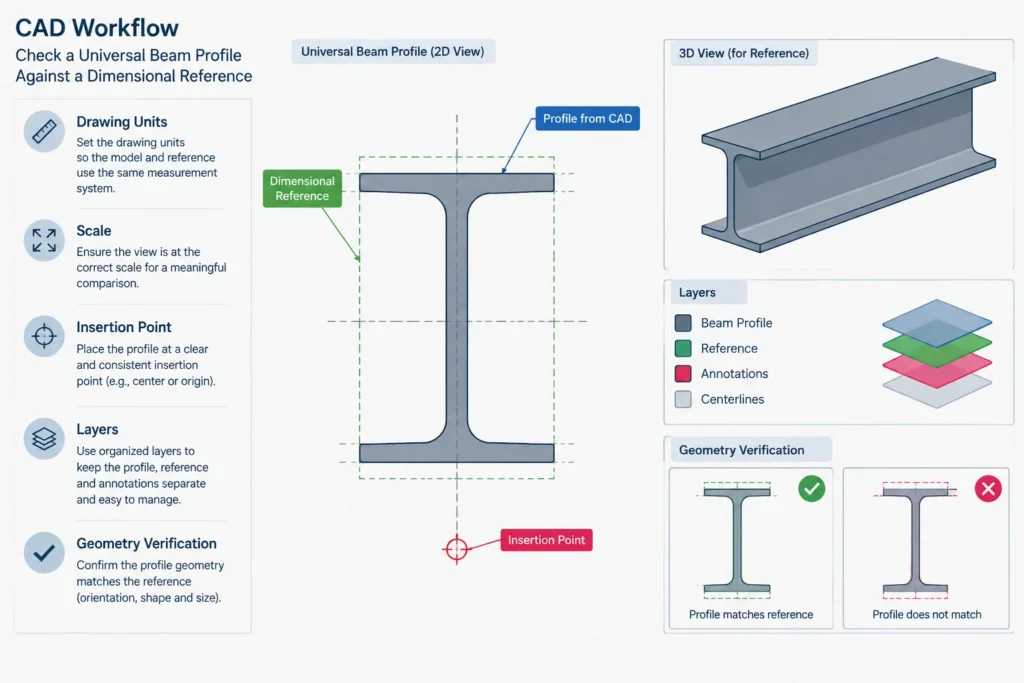
After downloading the drawing, inspect the file in the intended CAD application before incorporating it into a model or detail. Confirm drawing units, scale, geometry, layer organization, insertion point, and orientation. Compare critical profile dimensions with the published reference information and avoid scaling the section to approximate another size.
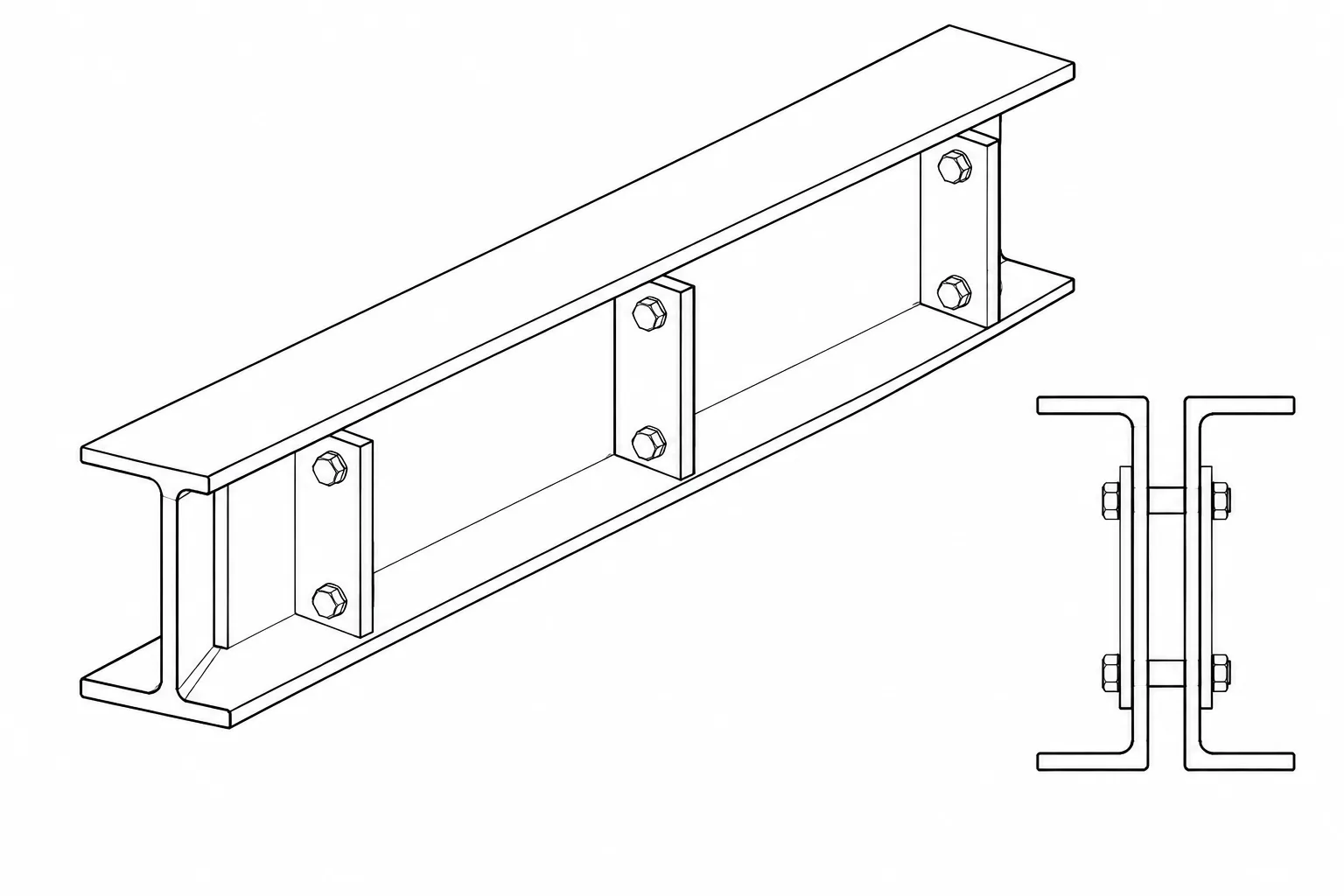
The profile can support tasks such as section identification, layout studies, clearance coordination, and preparation of conceptual details. Connection plates, bolts, welds, copes, stiffeners, holes, and end conditions still require project-specific detailing and engineering verification.
Related reference topics
Users working with this section may also need guidance on universal beam terminology, I-shape dimensions, section-property concepts, steel unit weight, root fillets, beam connections, stiffeners, and CAD block verification. These related topics help distinguish profile identification from structural capacity and connection design.
Frequently asked questions
What does UB mean in this designation?
UB identifies the profile as a universal beam, a rolled I-shaped section with flanges connected by a central web.
Why should the listed depth be used instead of relying only on the designation?
A section designation is an identifier and may use nominal or rounded components. The detailed dimensional listing is the appropriate reference for drawing geometry, fit-up, and clearance coordination.
Does sectional area indicate the beam capacity?
No. Sectional area is one geometric property. Structural resistance also depends on material properties, member length, restraint, loading, stability, connection behavior, applicable design rules, and other section properties not presented here.
Can unit weight be used for a material takeoff?
The listed unit weight can be combined with the required member length for a basic section-weight calculation. The takeoff should separately account for plates, bolts, weld metal, stiffeners, coatings, attachments, allowances, and other project items where applicable.
Is the DWG ready for direct fabrication use?
Treat the file as a reference resource until its units, geometry, dimensions, and compatibility have been checked. Fabrication documents require project-specific review, connection detailing, and approval through the applicable engineering and shop-drawing process.