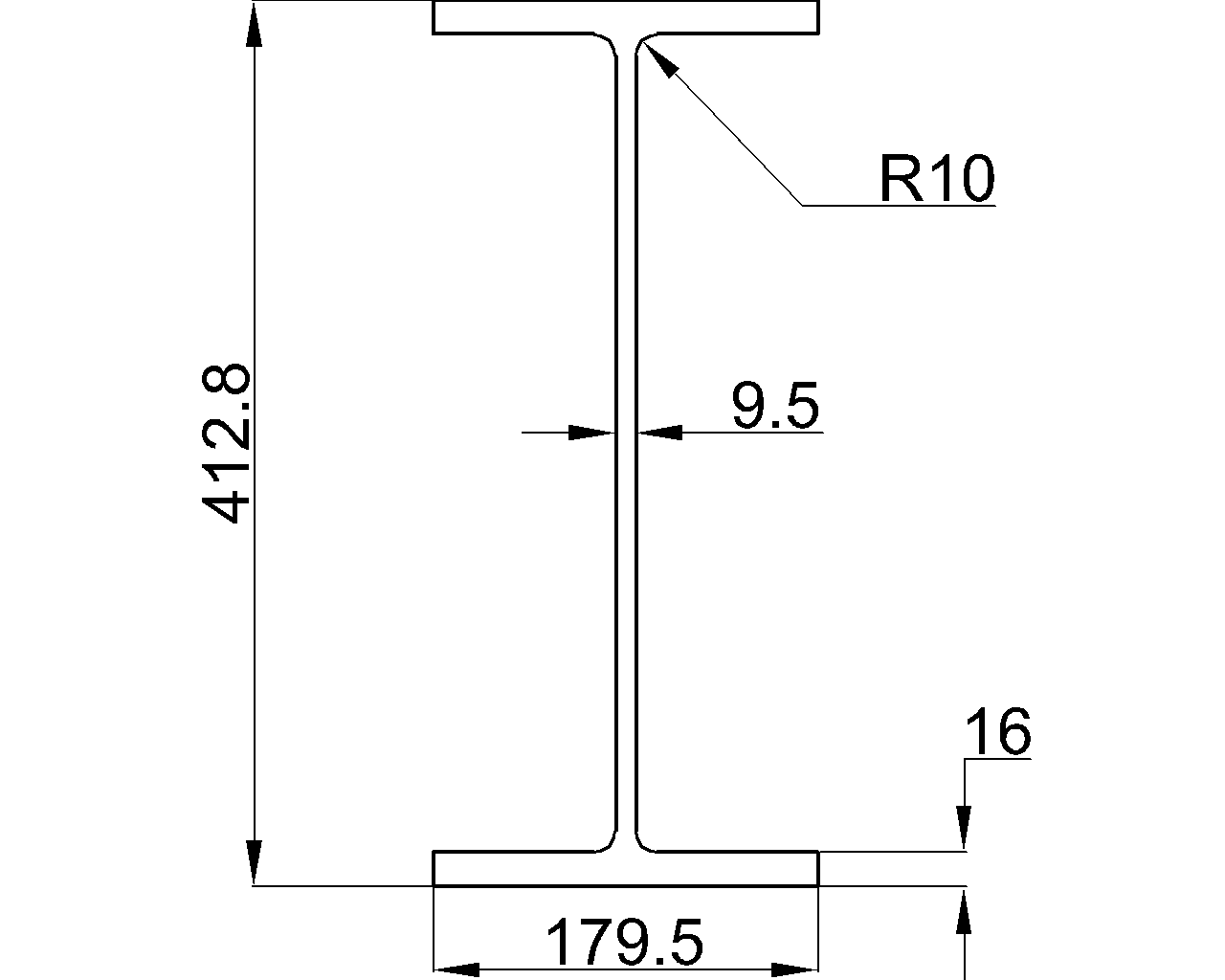
The UB 406x178x74 is a hot-rolled universal beam referenced to EN 10365:2017. This page brings together its listed profile dimensions, sectional area, unit weight, and an associated DWG resource for structural-steel drafting and reference work.
The designation is a convenient profile identifier rather than a substitute for the detailed dimensions below. In particular, the listed depth and width should be used when checking geometry, clearances, connections, and CAD coordination.
UB 406x178x74
Universal Beams
refer to : EN 10365:2017
a European standard that defines the dimensions, tolerances, and sectional properties for hot-rolled steel channels, I-beams, and H-beams used in construction and engineering. It ensures uniformity and compatibility across European structural steel products.
Dimension : 412.8×179.5×9.5×16
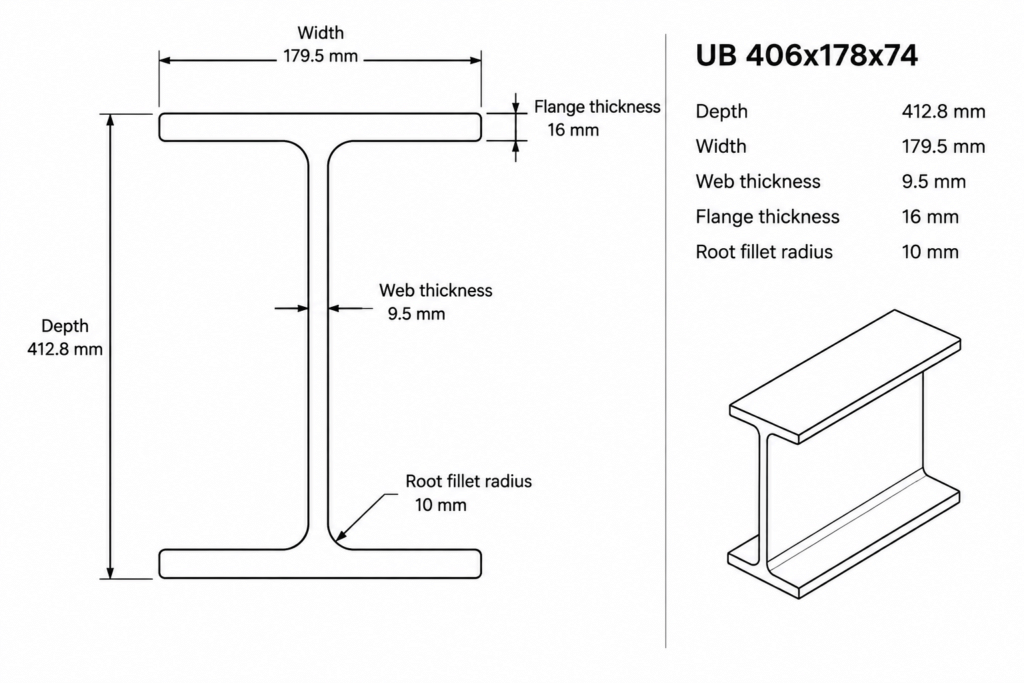
Depth : 412.8 mm
Width : 179.5 mm
Web Thickness : 9.5 mm
Flange Thickness : 16 mm
Root Fillet Radius : 10 mm
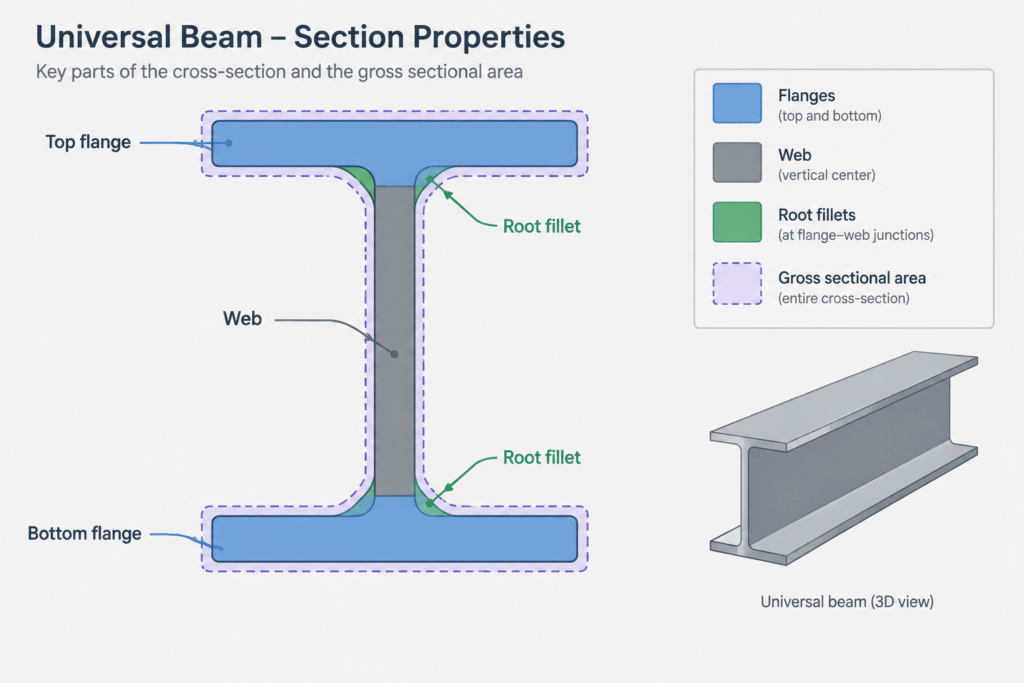
Sectional Area : 94.5 cm2
Unit Weight : 74.2 kg/m
How to read the UB 406x178x74 data
The dimension string is presented in the order of overall depth, flange width, web thickness, and flange thickness. These fields describe the primary geometry of the I-shaped section. The separate root fillet radius identifies the curved transition between the web and each flange.
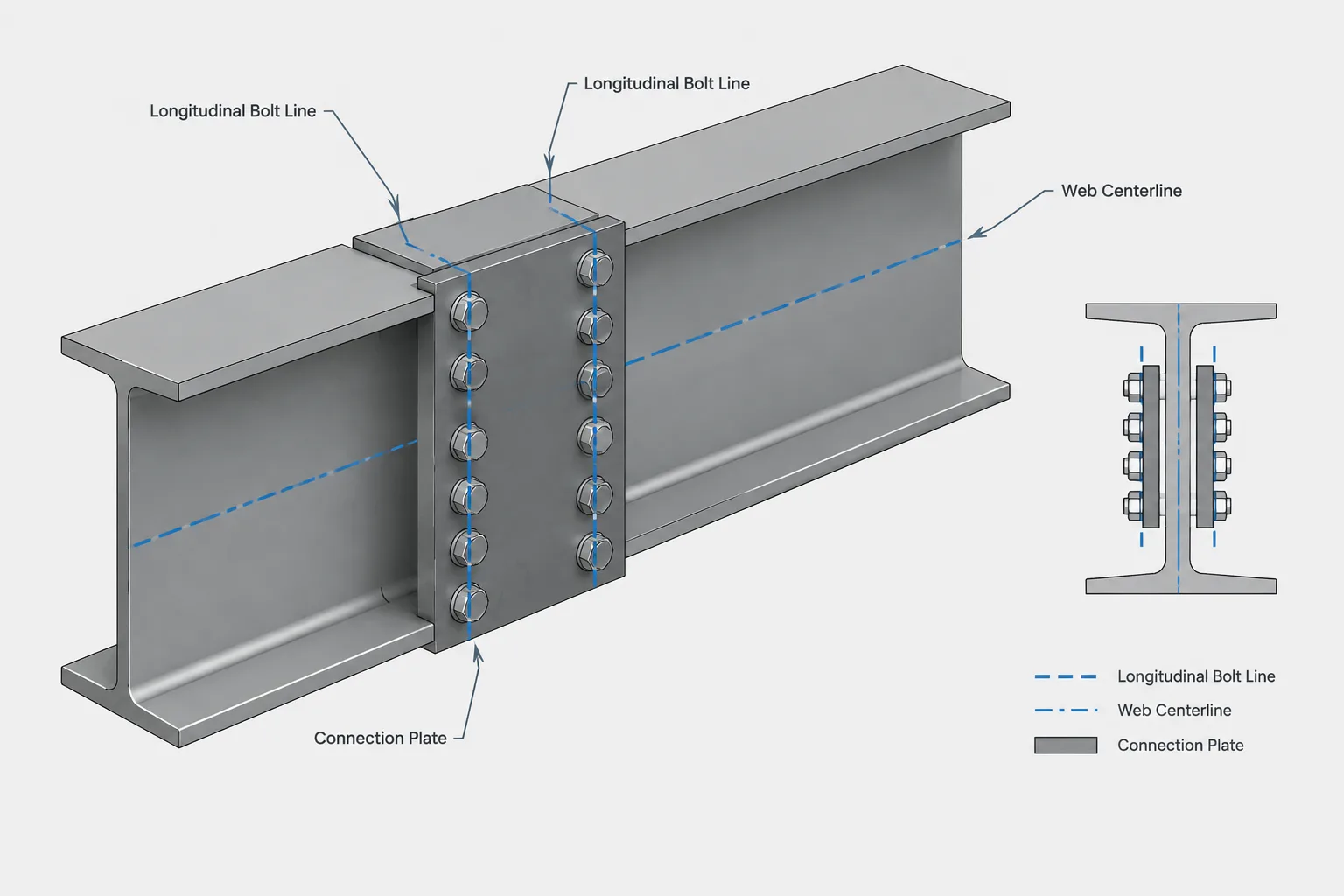
The designation includes rounded identifying values, while the detailed profile data gives the dimensions used for more precise reference. This distinction matters when preparing drawings or coordinating the beam with plates, bolts, weld access, stiffeners, and adjacent construction.
Understanding the listed section information
- Depth: The overall distance across the section from the outside face of one flange to the outside face of the other.
- Width: The overall flange width measured across the profile.
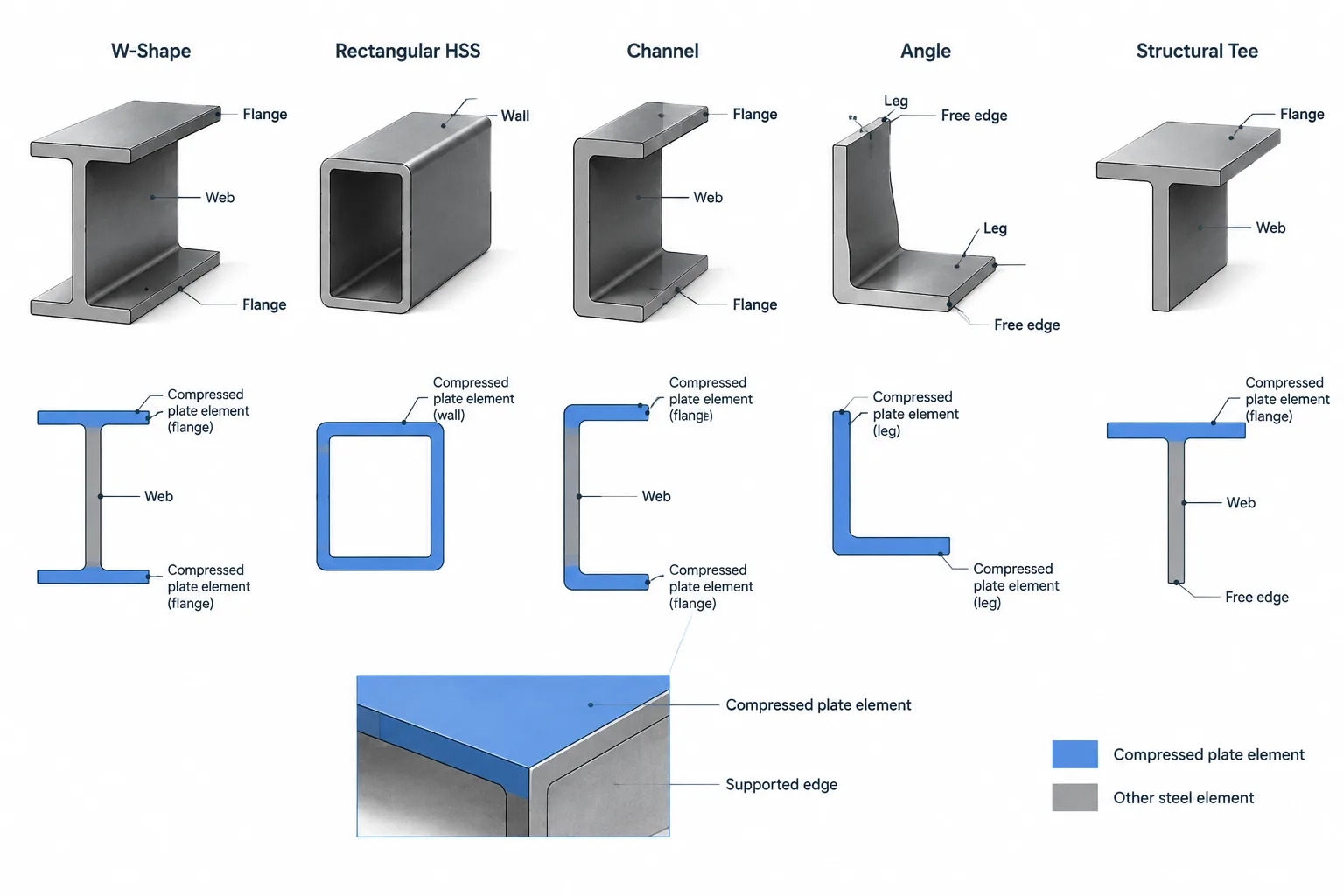
- Web thickness: The thickness of the central vertical element connecting the flanges.
- Flange thickness: The listed thickness of the horizontal flange elements.
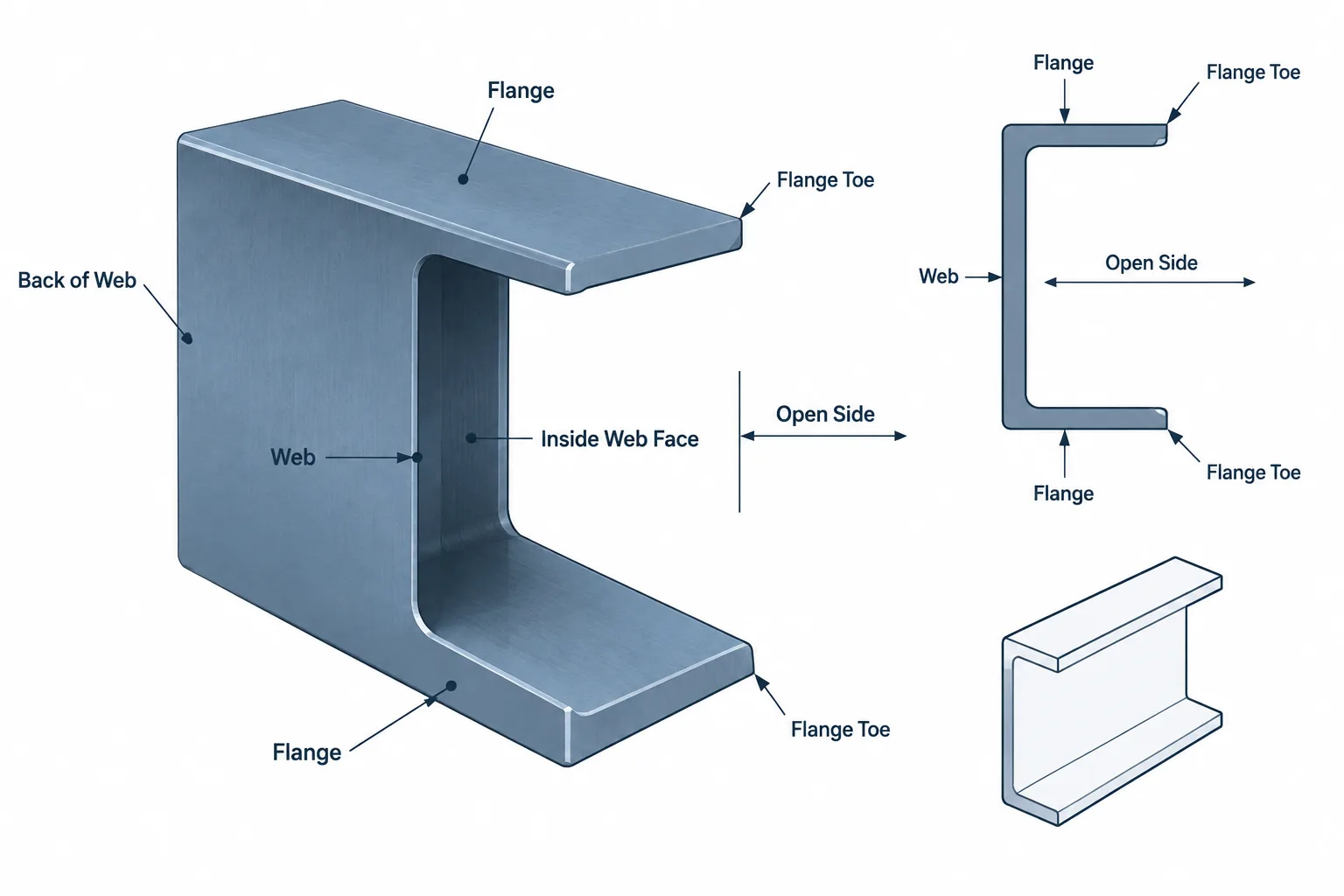
- Root fillet radius: The internal curved transition where the web meets a flange. This region should be considered when detailing fitted plates or other closely positioned components.
- Sectional area: The gross steel area of the cross-section. It is a section-property input, but it does not by itself establish design capacity.
- Unit weight: The listed mass per unit length. It can support preliminary quantity calculations when multiplied by the required member length.
Using the DWG in a drafting workflow
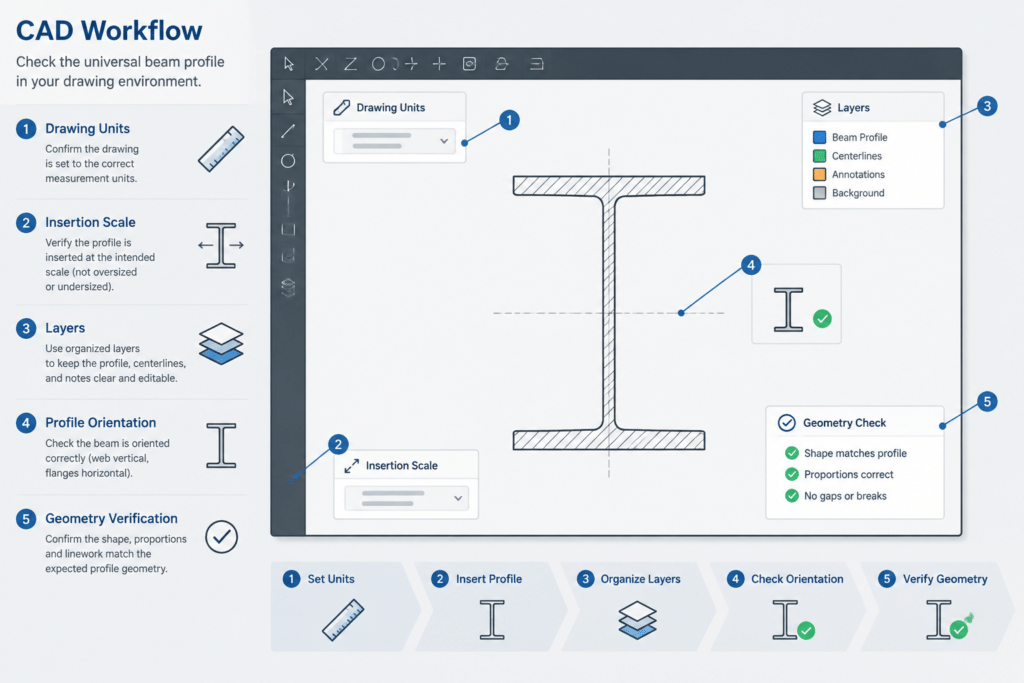
The drawing can provide a convenient starting point for profile layouts, sections, details, and coordination models. Before relying on it, confirm the drawing units, insertion scale, profile orientation, layer organization, and geometry against the verified data shown on this page.
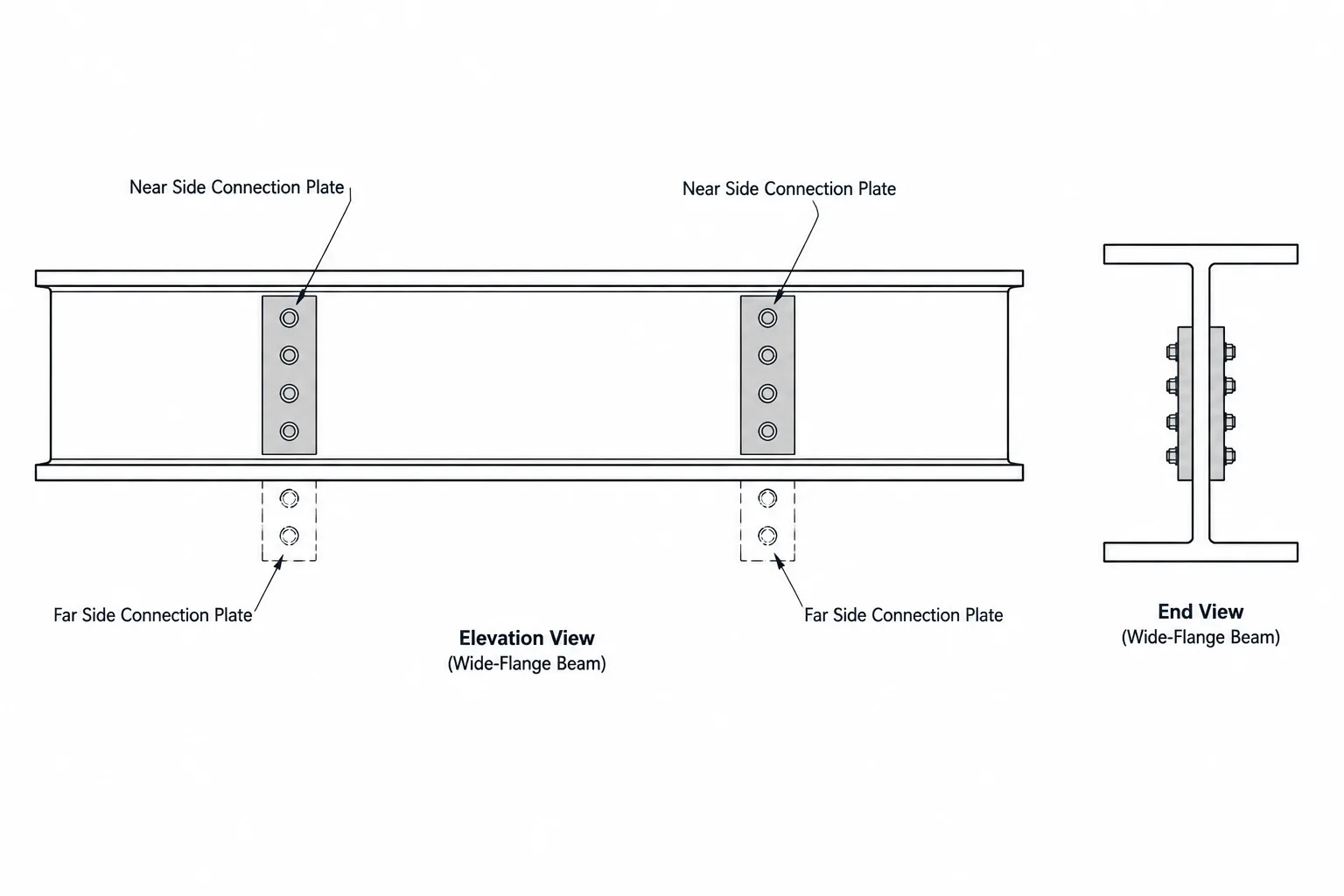
A section outline alone does not define member length, end preparation, holes, copes, connection plates, welds, camber, or fabrication tolerances. Those items must be developed from the project drawings, connection design, fabrication requirements, and governing specifications.
Design and specification context
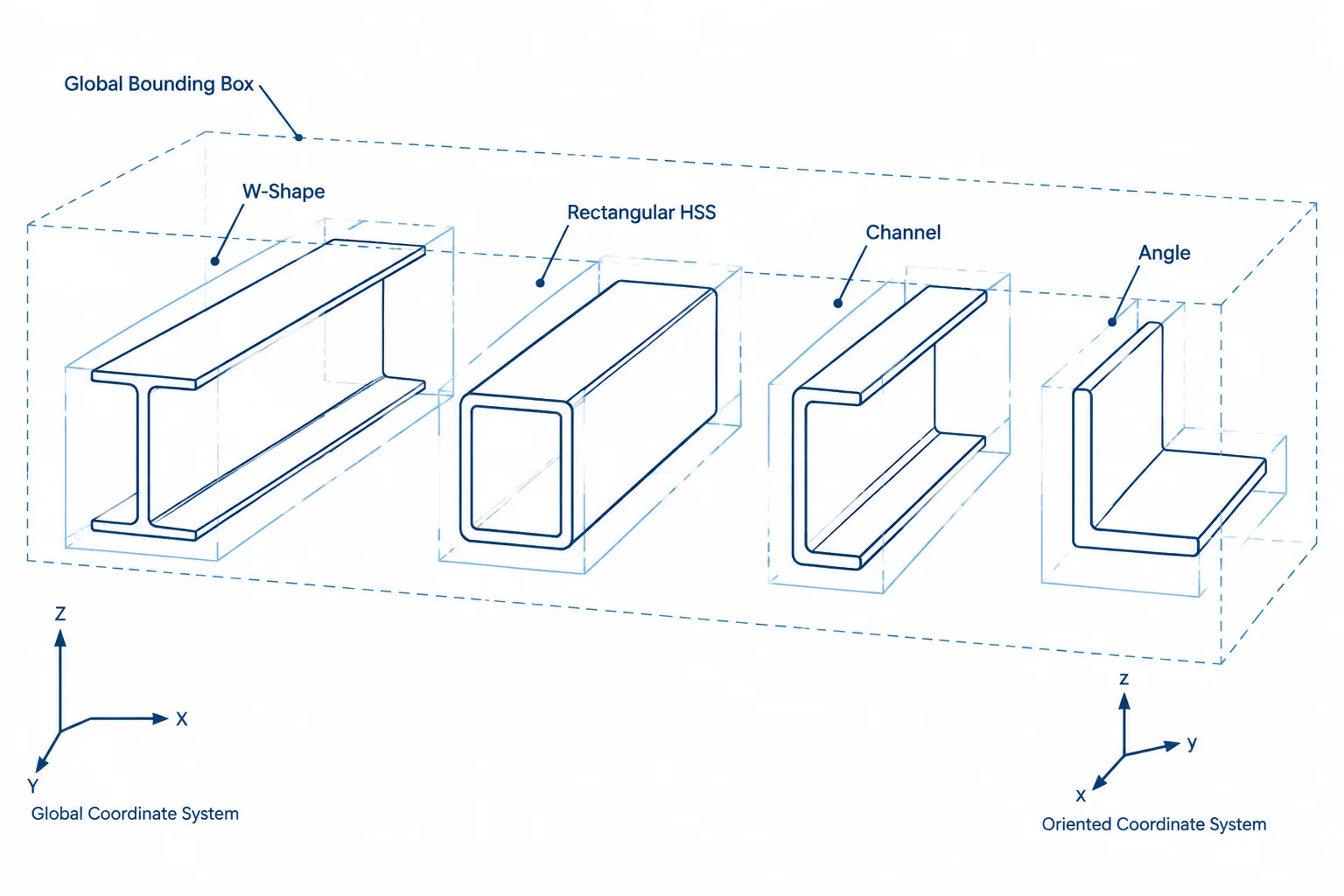
This profile is identified as a European universal beam referenced to EN 10365:2017. It should not be treated as interchangeable with a US W shape merely because another section has a similar nominal depth or unit weight. Confirm the governing standard, material specification, product availability, detailed geometry, and required section properties before specifying a substitution.
The dimensions, sectional area, and unit weight on this page are useful reference inputs, but they are not a complete structural design check. Strength and serviceability evaluation also depends on material properties, loading, restraint, member length, stability, connections, and the applicable design rules.
Related reference topics
Useful companion subjects include universal beam designation conventions, I-shape geometry, section-property terminology, steel unit-weight calculations, beam connection detailing, root-fillet clearances, and differences between European UB profiles and US W shapes.
Frequently asked questions
What does UB 406x178x74 mean?
It is the identifying designation for this universal beam profile. The designation uses nominal identifying values, while the detailed dimensions listed on the page should be used for geometry checks and drafting.
Why is the listed depth different from the designation?
Rolled-section designations commonly use rounded nominal identifiers. The listed depth of 412.8 mm is the detailed reference dimension for this profile.
What does the dimension string represent?
The listed 412.8×179.5×9.5×16 string corresponds to depth, width, web thickness, and flange thickness, in that order.
Can sectional area and unit weight be used to determine beam capacity?
No. They are useful section data, but capacity also depends on material properties, loading, member stability, restraint, connection behavior, and the governing design method.
Is the DWG ready for direct fabrication use?
It should be treated as a reference resource. Verify units, scale, geometry, layers, and all project-specific detailing before using it in fabrication or construction documents.
Is this profile equivalent to a US W shape?
Not automatically. Similar nominal dimensions or weights do not establish equivalence. Compare the governing standards, complete geometry, section properties, material requirements, and availability before considering a substitution.