The W40x277 is a wide-flange structural steel shape documented with metric dimensions and section data. This reference page brings the profile geometry, sectional area, and unit weight together with an AISC 360-16 context for engineers, detailers, fabricators, and CAD users.
Use the values in the source content as the controlling local reference for this shape. For design work, verify material specifications, loading, stability, connection requirements, and applicable project criteria with the responsible engineer.
W Beam
refer to : AISC 16
the American Institute of Steel Construction (AISC) Specification for Structural Steel Buildings (AISC 360-16), which is the 2016 edition of the AISC Specification for Structural Steel Buildings. It provides guidelines and requirements for the design, fabrication, and erection of steel structures in the United States.
Depth : 1008.4 mm
Width : 401.3 mm
Web Thickness : 21.1 mm
Flange Thickness : 40.1 mm
Root Fillet Radius : 30 mm
Sectional Area : 525.81 cm2
Unit Weight : 412.8 kg/m
How to read the W40x277 reference
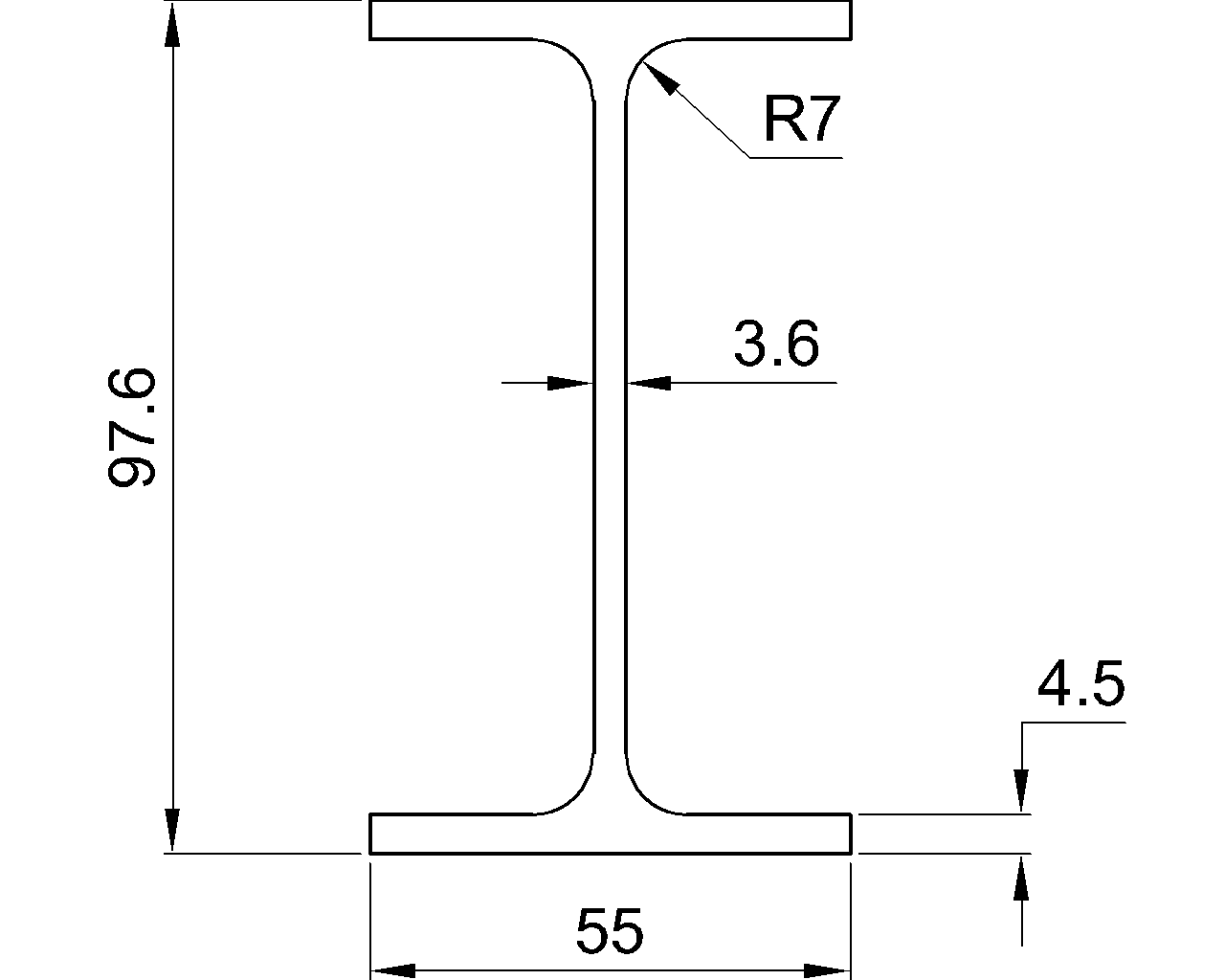
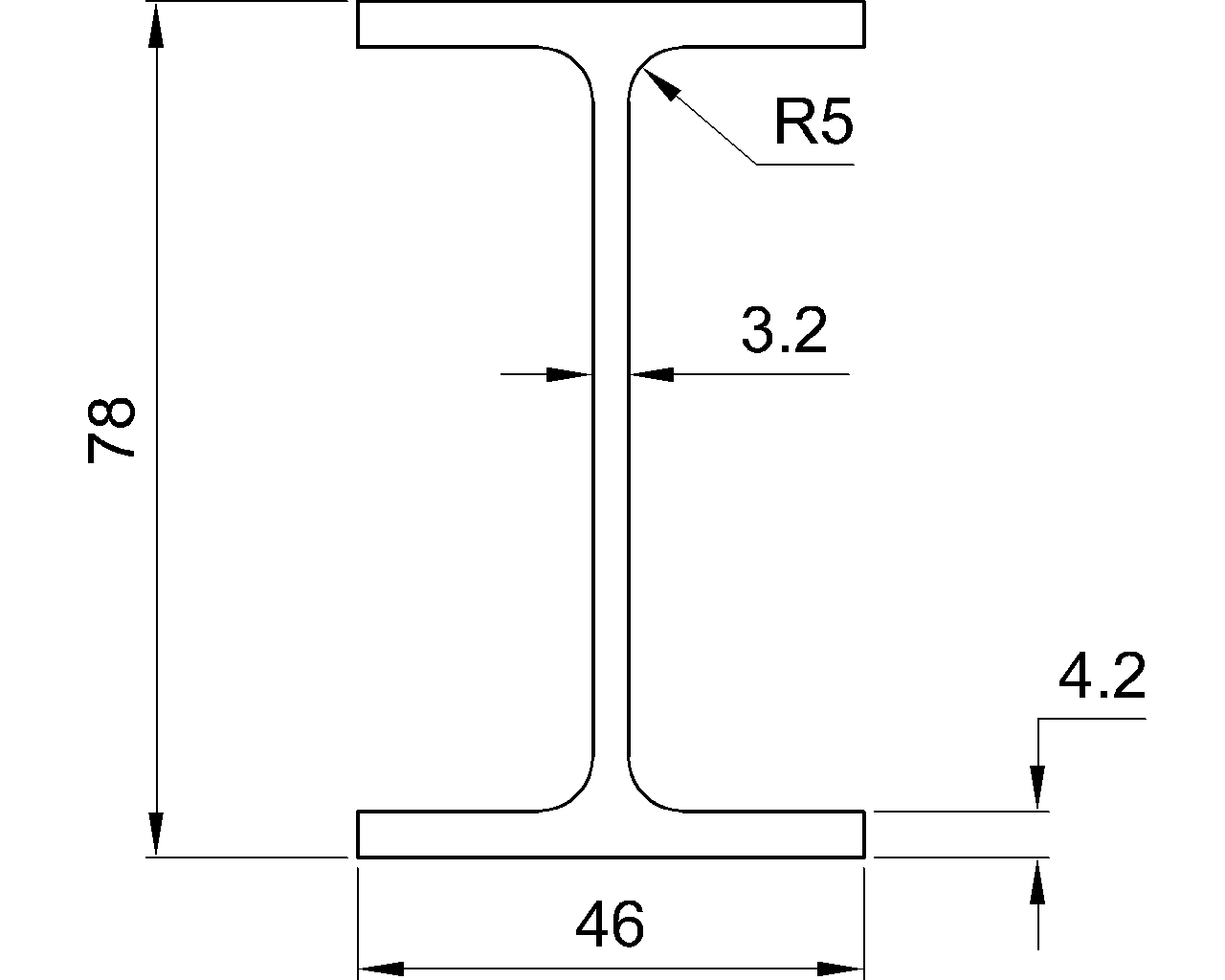
The listed depth, width, web thickness, flange thickness, and root fillet radius describe the primary geometry of the W shape. These dimensions are useful when checking clearances, preparing connection details, coordinating framing, or selecting the correct profile in a CAD model.
The sectional area describes the amount of steel in the cross-section, while the unit weight supports material takeoffs and estimating. Neither value, by itself, replaces a complete structural design check. Additional considerations can include axial force, shear, flexure, buckling, lateral stability, connection behavior, and fabrication requirements.
AISC reference and drafting workflow
The source identifies AISC 360-16, the Specification for Structural Steel Buildings, as the governing reference context. Readers comparing this profile with other W-shape dimensions should confirm that the shape designation and units match before transferring data into calculations or drawings.
The downloadable DWG file can support layout and detailing workflows. Treat CAD geometry as a reference representation: confirm dimensions against the authoritative section data before using it for fabrication, connection detailing, or final design documentation.
Related steel-reference topics
- Wide-flange terminology: Review how the web, flanges, fillets, depth, and width describe a W shape.
- Section properties: Learn how area and other properties are used in structural steel calculations.
- Steel connections and detailing: Consider how member geometry affects connection layout and constructability.
- CAD and DWG resources: Use downloadable shape files as drafting aids alongside verified engineering data.
Frequently asked questions
What is the W40x277?
W40x277 is the designation of a wide-flange structural steel shape. This page provides its listed geometry, sectional area, unit weight, and related reference information.
What does the 277 in W40x277 mean?
The designation identifies a specific W shape, but the designation alone should not be used as a substitute for the dimensional and section data shown on the page. Confirm the listed properties before using the shape in design or detailing.
What is the unit weight used for?
Unit weight is commonly used for material estimating, shipping calculations, and steel takeoffs. It does not independently establish the member’s structural capacity.
Can the DWG file be used for fabrication?
The DWG is useful as a drafting and coordination reference. Before fabrication, verify the geometry and project requirements against the authoritative section information and approved engineering documents.
Does AISC 360-16 complete the design of this member?
No. The AISC reference provides a design and construction framework, while a member application still requires project-specific checks, material verification, loading information, stability review, and connection design.