Tag: W shapes
-
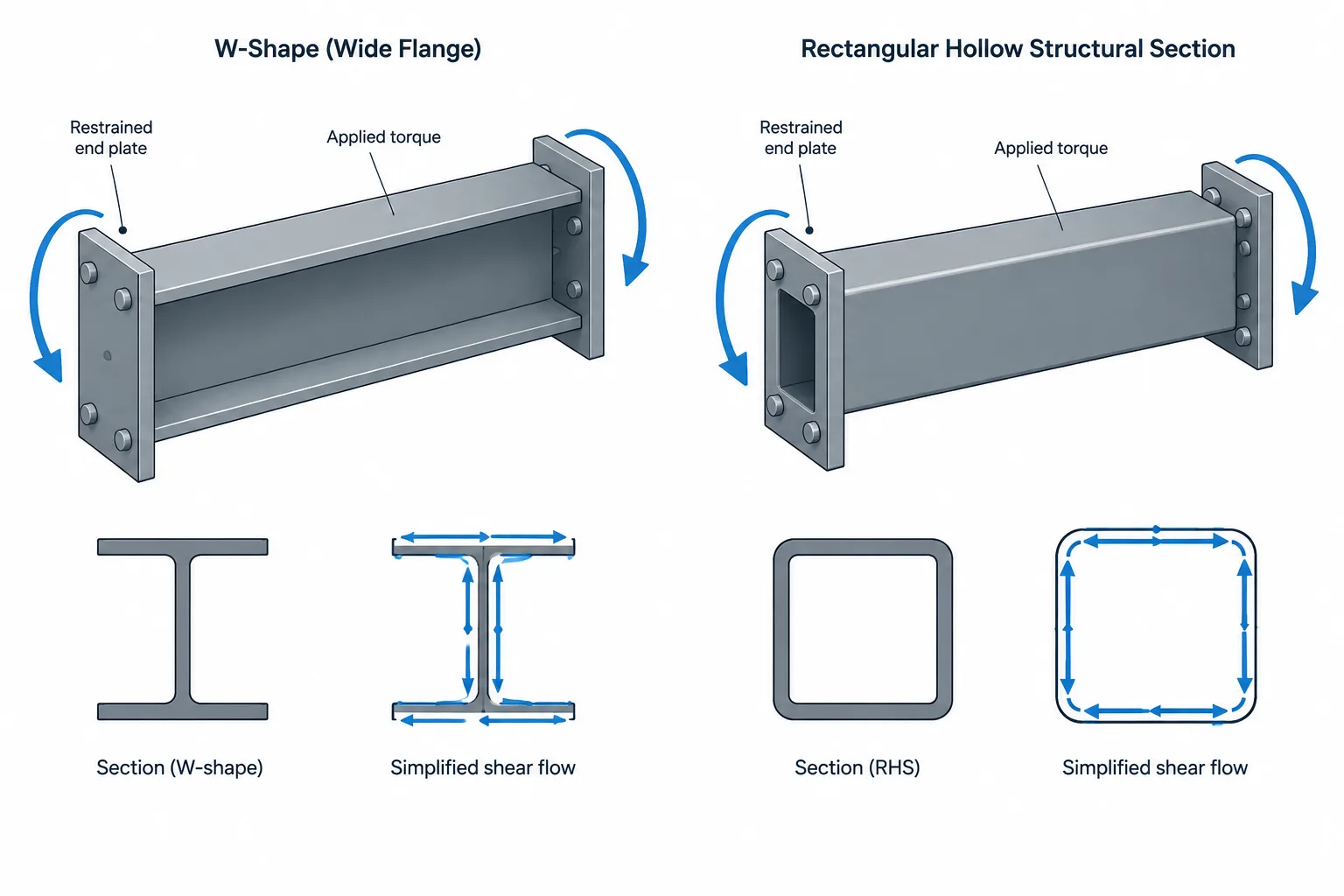
W-Shapes vs. HSS Under Torsion: Closed Sections, Warping, and Connection Effects
Compare how W-shapes and HSS resist torsion, including closed-section shear flow, warping, load position, connection behavior, and modeling checks.
Written by
-
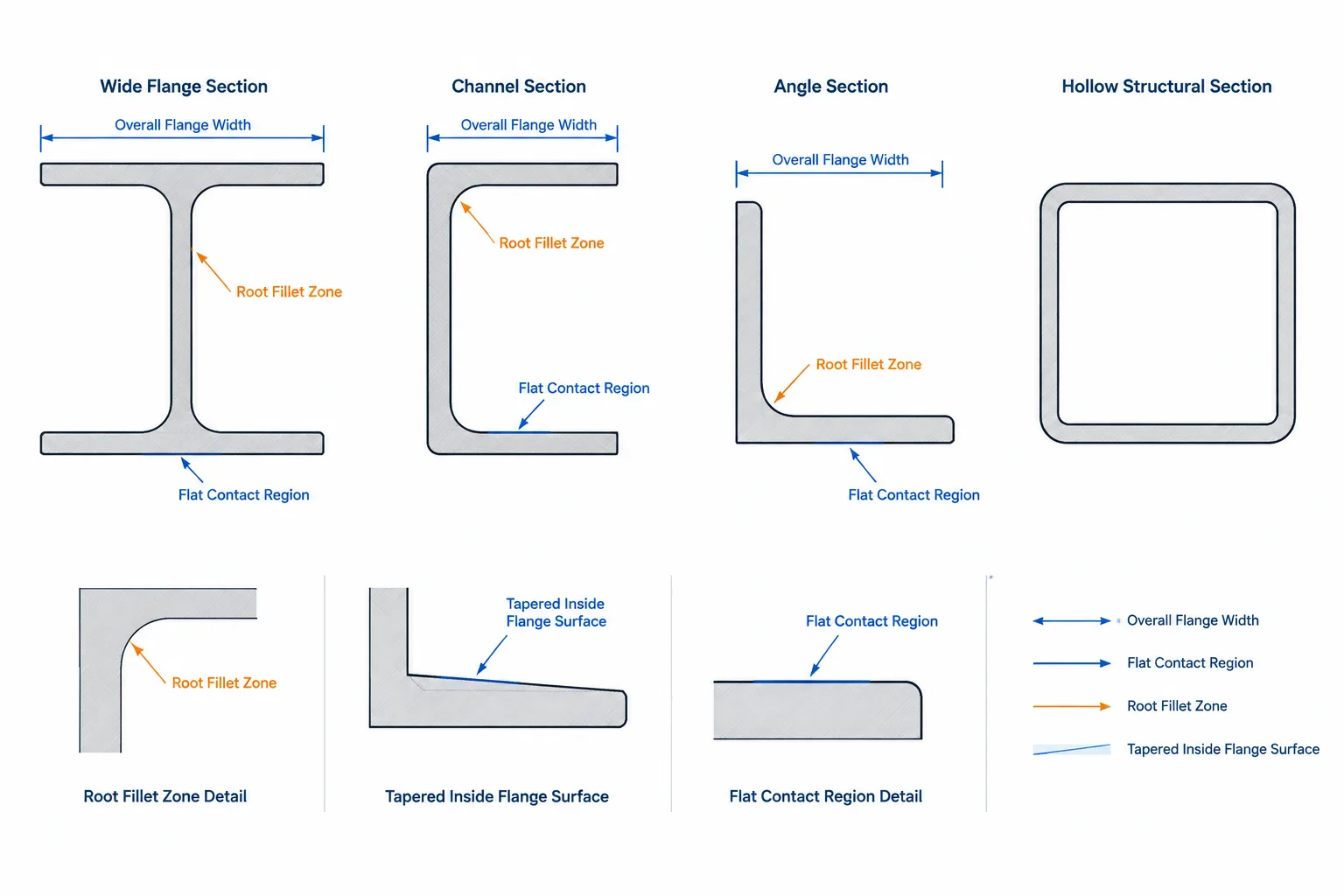
Usable Flat Width on Rolled Steel Flanges: Fillets, Tapers, and Connection Fit
Learn why flange width is not the same as usable flat width, and how fillets, tapered surfaces, washers, plates, and CAD geometry affect steel connection fit.
Written by
-
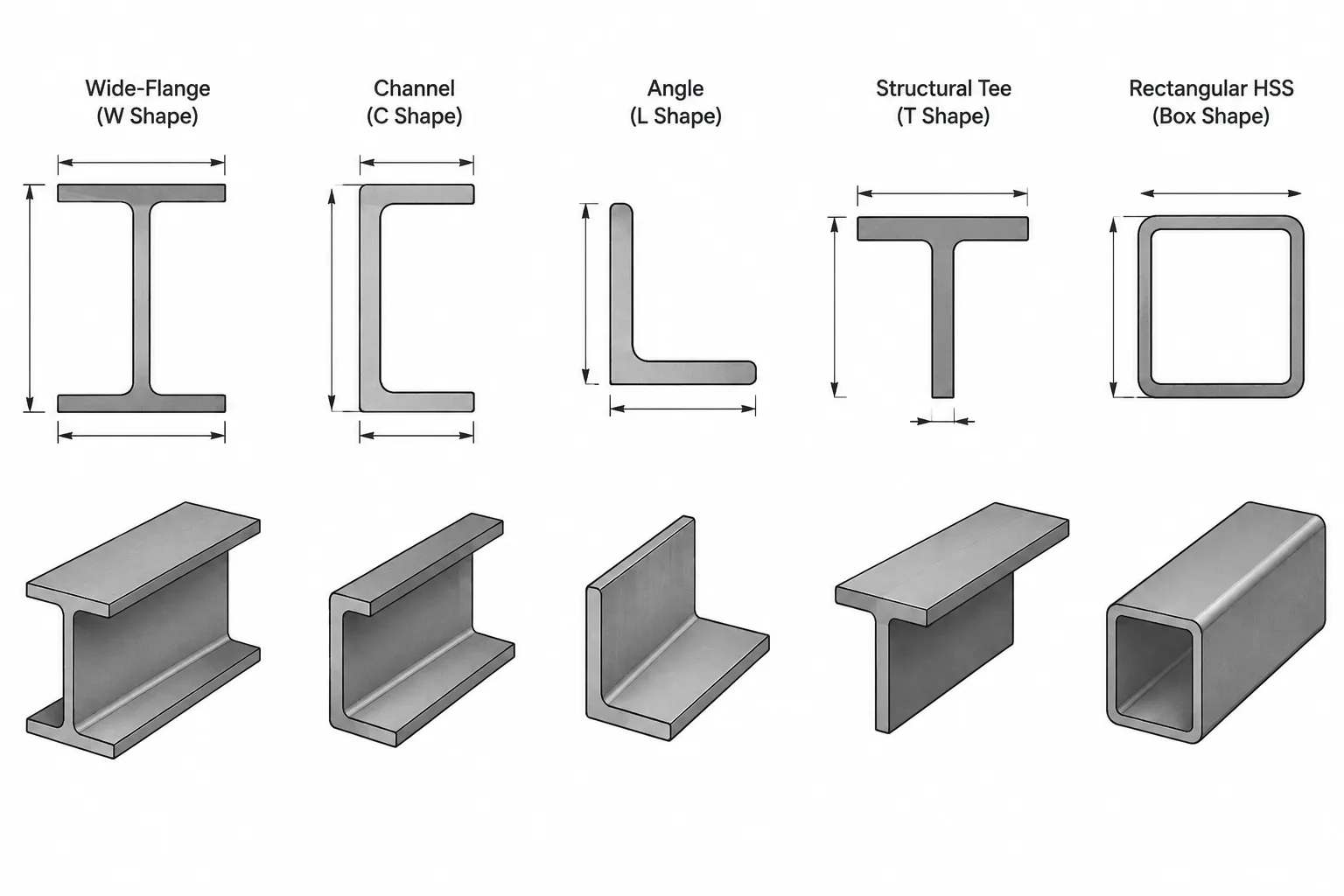
Steel Shape Designations vs. Tabulated Dimensions: What the Shape Name Does Not Tell You
Learn how W-shape, channel, angle, tee, HP, and HSS designations differ from tabulated dimensions, and which values should control CAD and detailing.
Written by
-
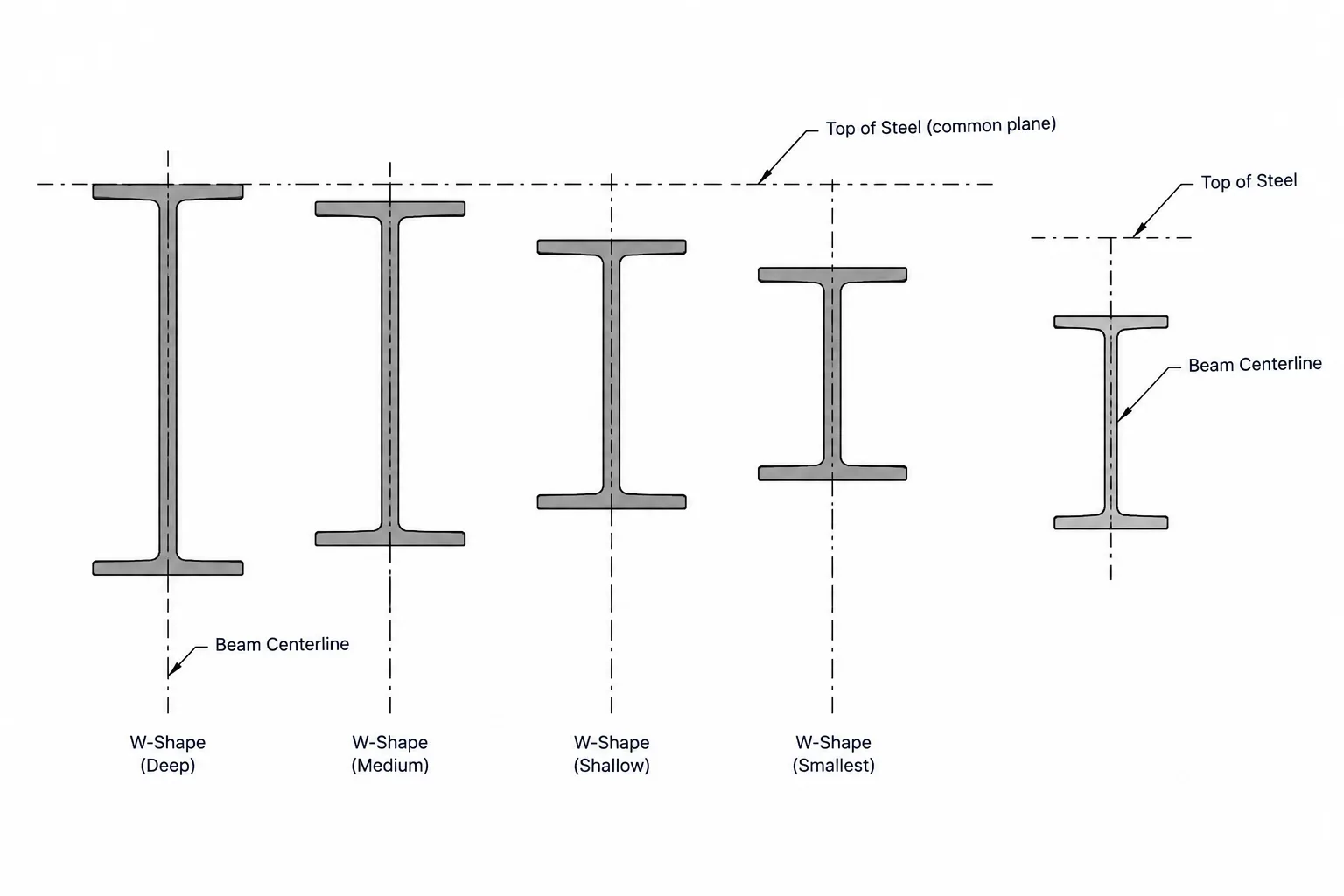
Top-of-Steel vs. Beam Centerline Elevations: Datums, Depth Changes, and Drawing Coordination
Learn how top-of-steel and beam centerline elevations affect steel beam placement, depth changes, slopes, framing alignment, and shop drawing coordination.
Written by
-
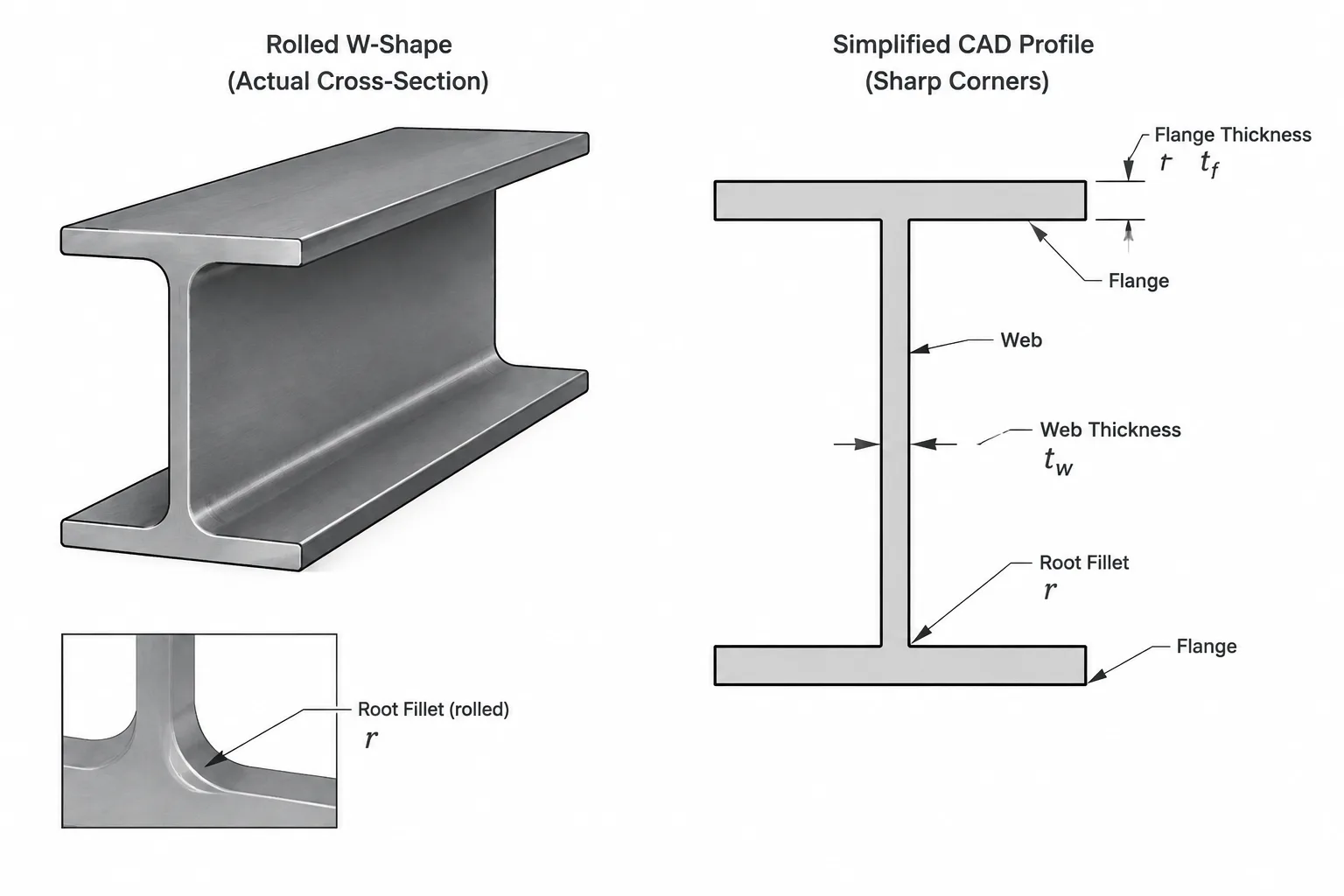
Web Thickness and Flange Thickness in Structural Steel Shapes: Reading tw and tf Correctly
Learn how to interpret tw and tf in steel shape tables, CAD profiles, connection details, and fit-up checks for W-shapes, channels, tees, and related sections.
Written by
-
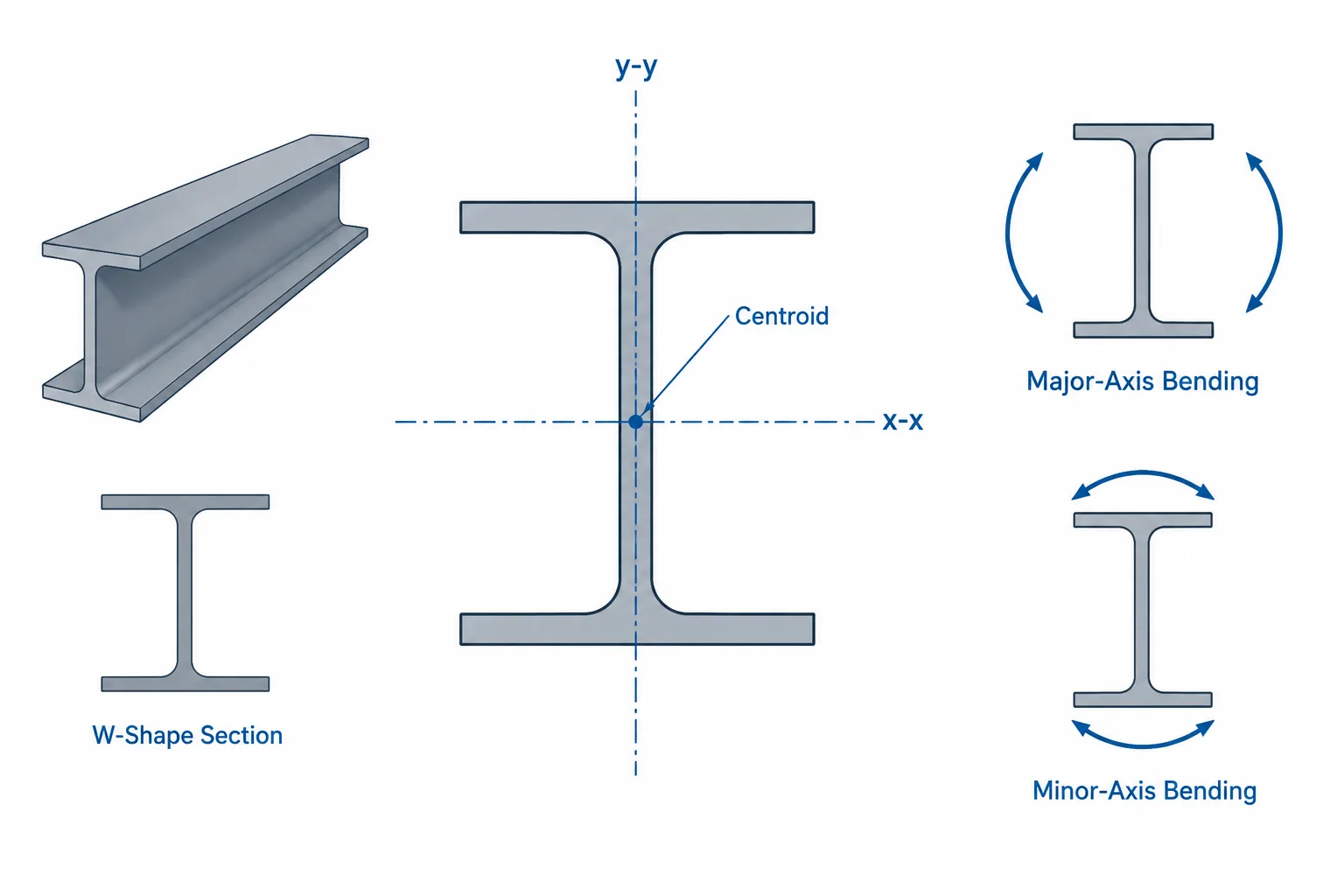
Strong-Axis vs. Weak-Axis Bending in Structural Steel Shapes: Reading Ix, Iy, Sx, and Sy
Learn how strong- and weak-axis bending relate to steel shape orientation, Ix, Iy, Sx, Sy, bracing, CAD models, and structural drawings.
Written by
-
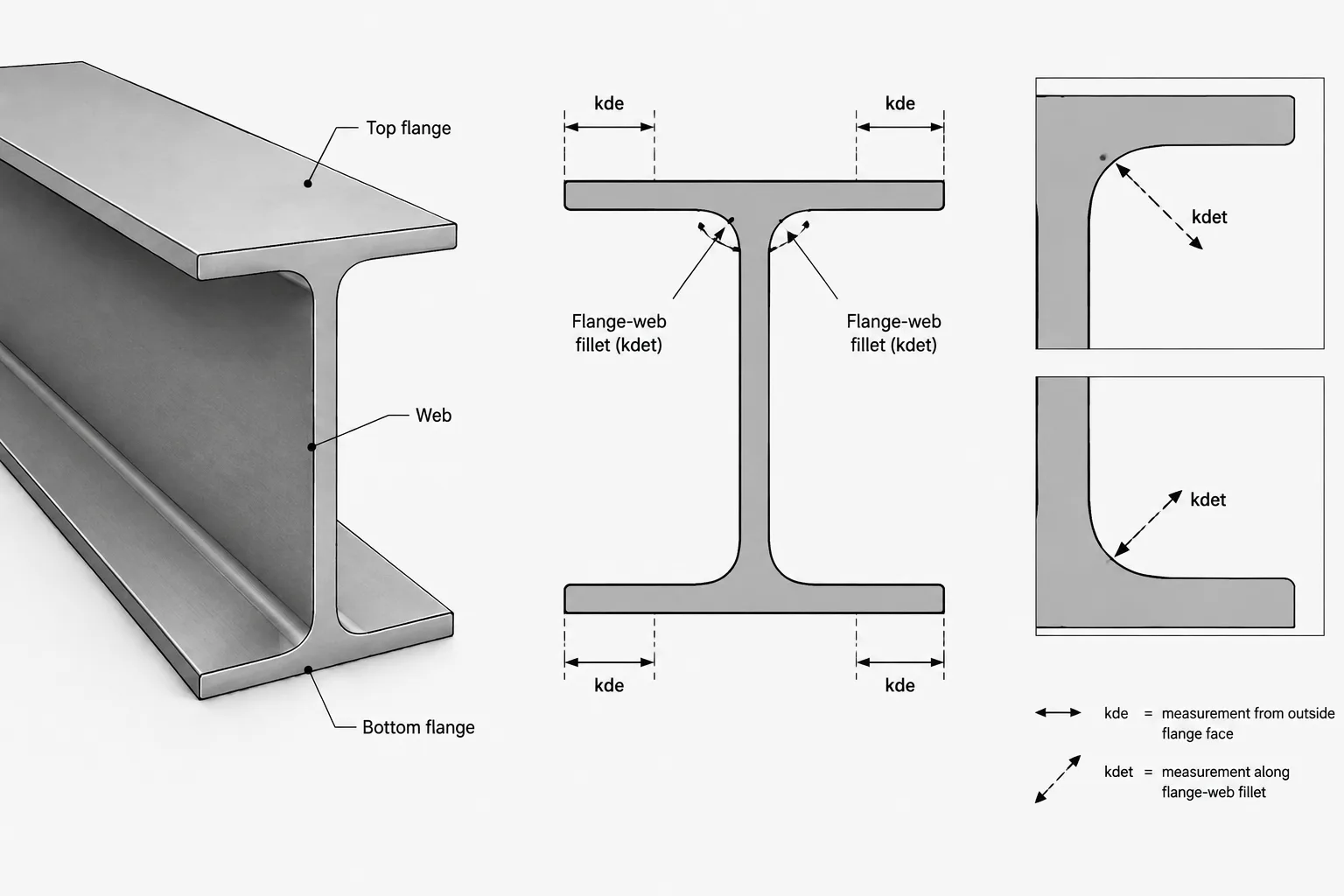
W-Shape k Dimensions: kdes, kdet, Fillet Zones, and Connection Clearance
Learn how W-shape kdes and kdet dimensions define flange-web fillet zones and affect plate fit, weld access, bolt layout, and CAD detailing.
Written by
-
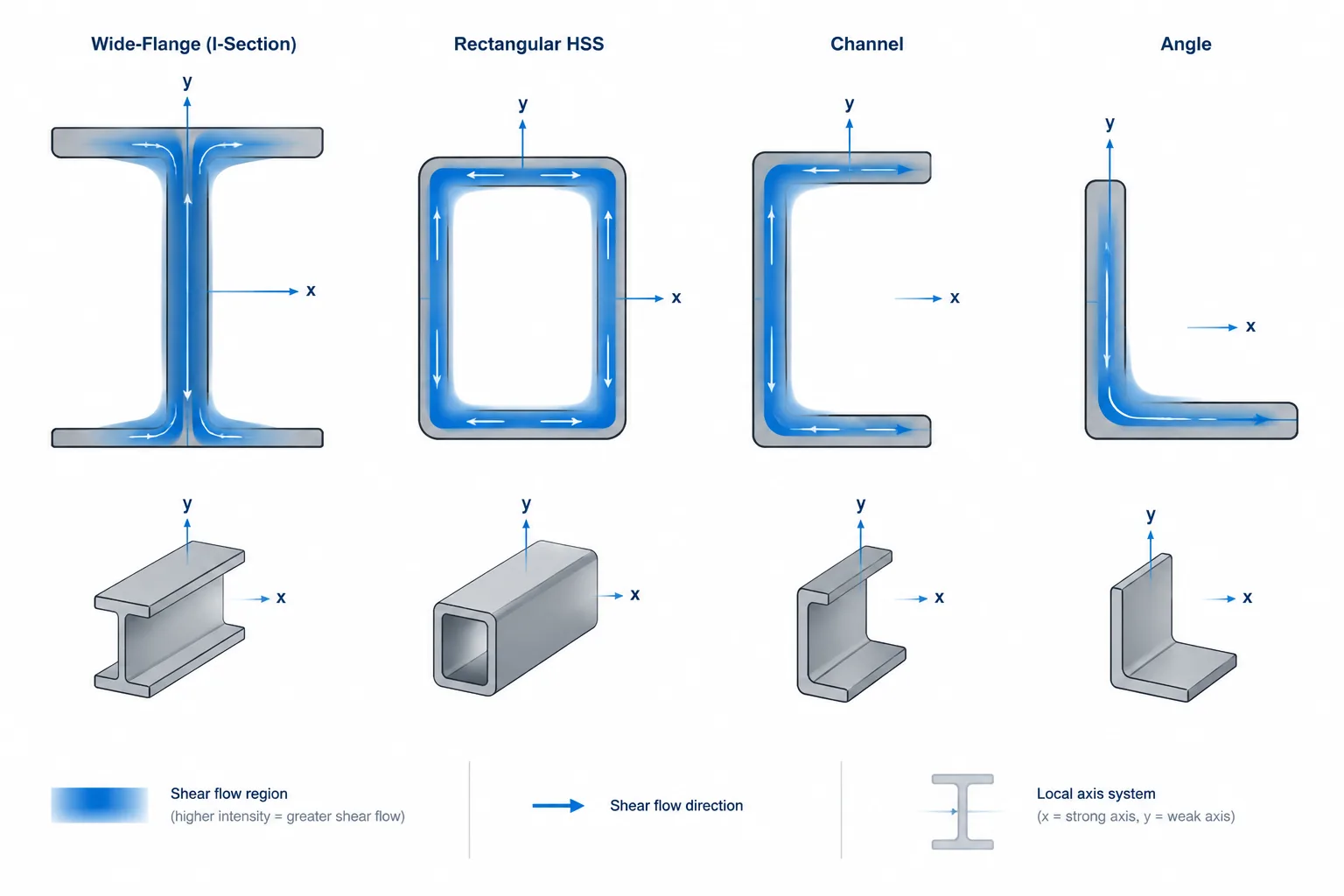
Shear Area in Structural Steel Sections: Av, Web Area, and Analysis-Model Checks
Learn how effective shear area differs from gross area and web area, how local axes affect Av, and what to verify in steel analysis models.
Written by
-
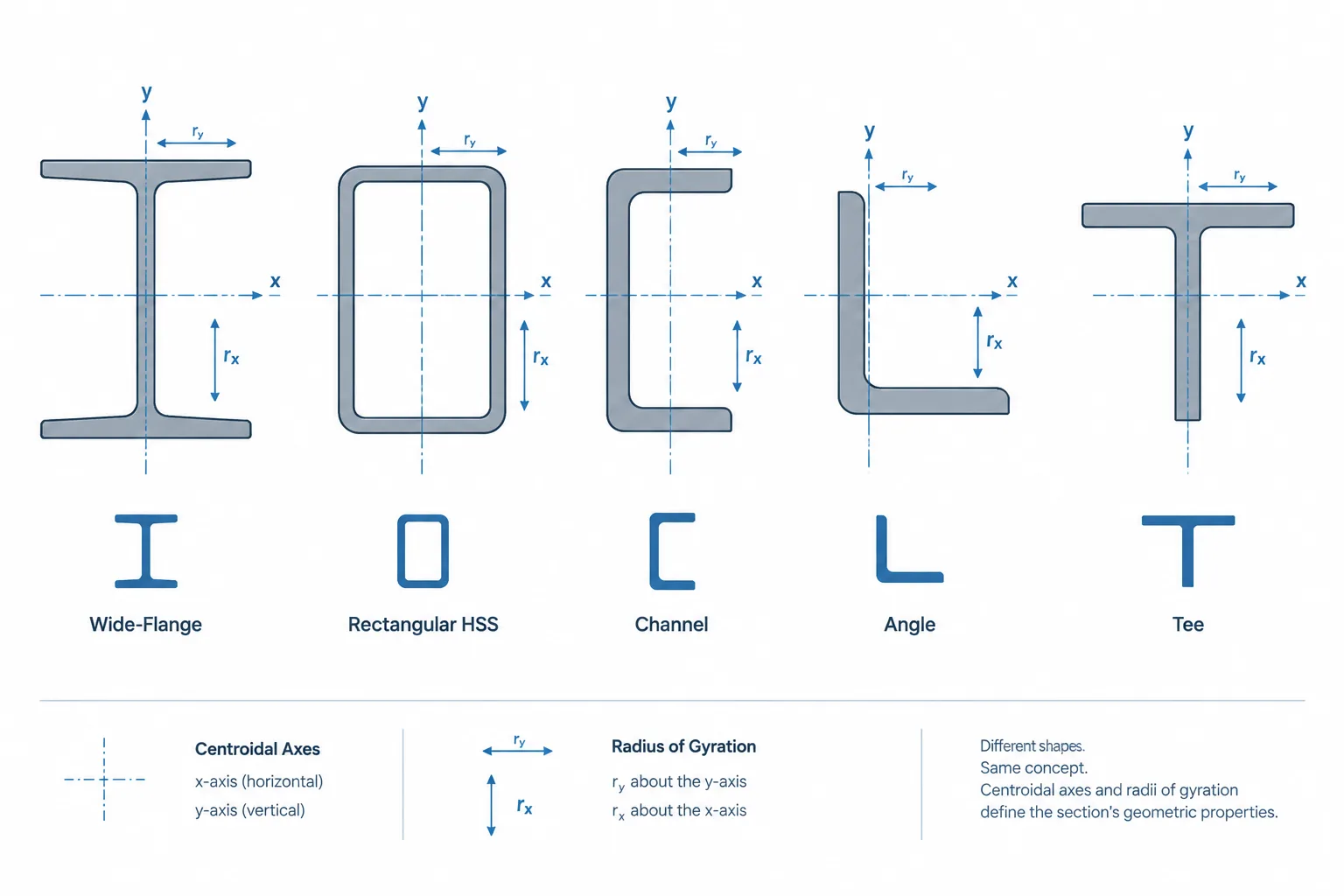
Radius of Gyration in Steel Shape Tables: Understanding rx, ry, and KL/r
Learn what radius of gyration means in steel shape tables, how rx and ry relate to area and moment of inertia, and how to avoid common KL/r and CAD axis errors.
Written by
-
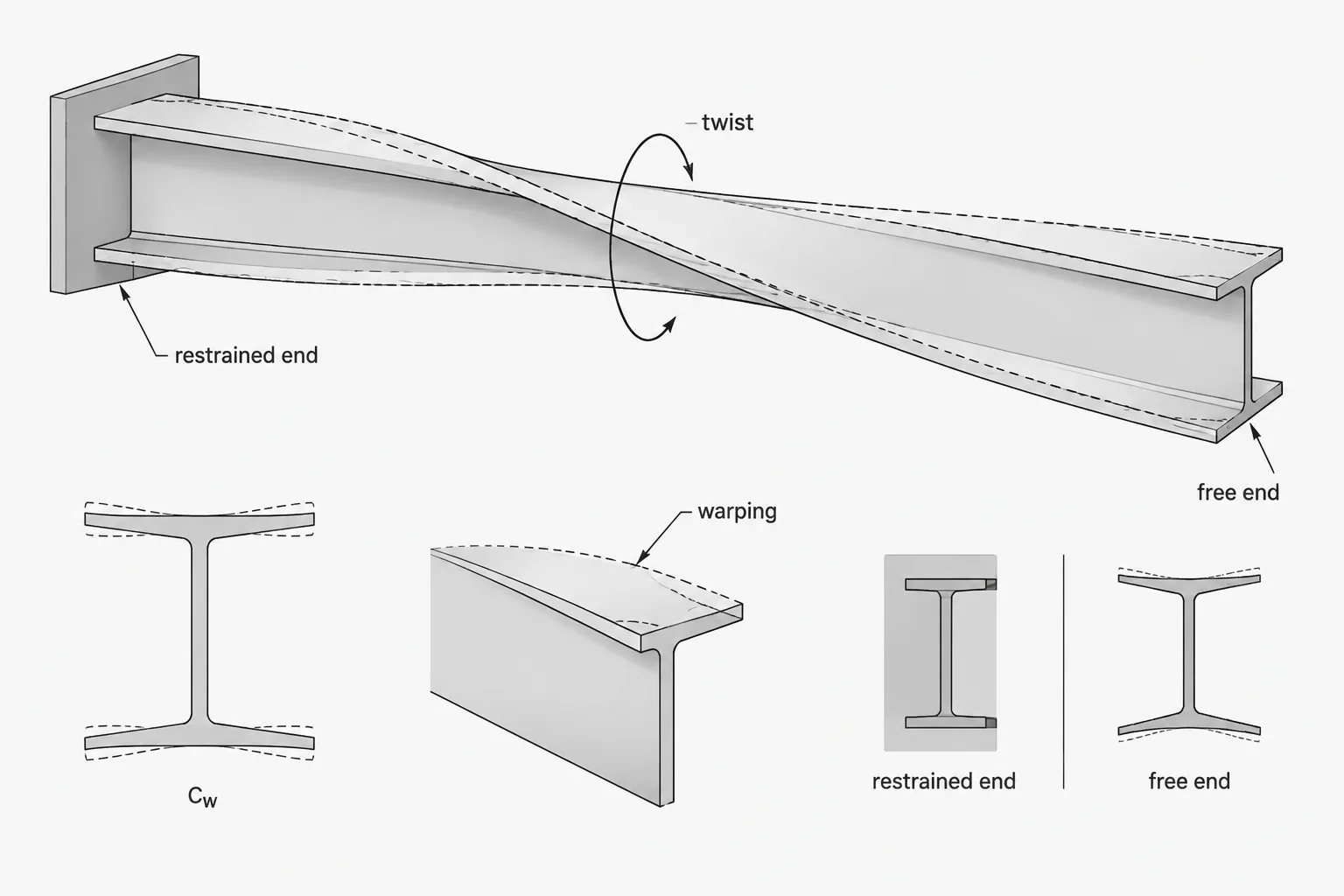
Warping Constant Cw in Steel Shape Tables: What It Means and When It Matters
Understand the warping constant Cw in structural steel tables, how it differs from torsional constant J, and why units, shape geometry, and restraint matter.
Written by
-
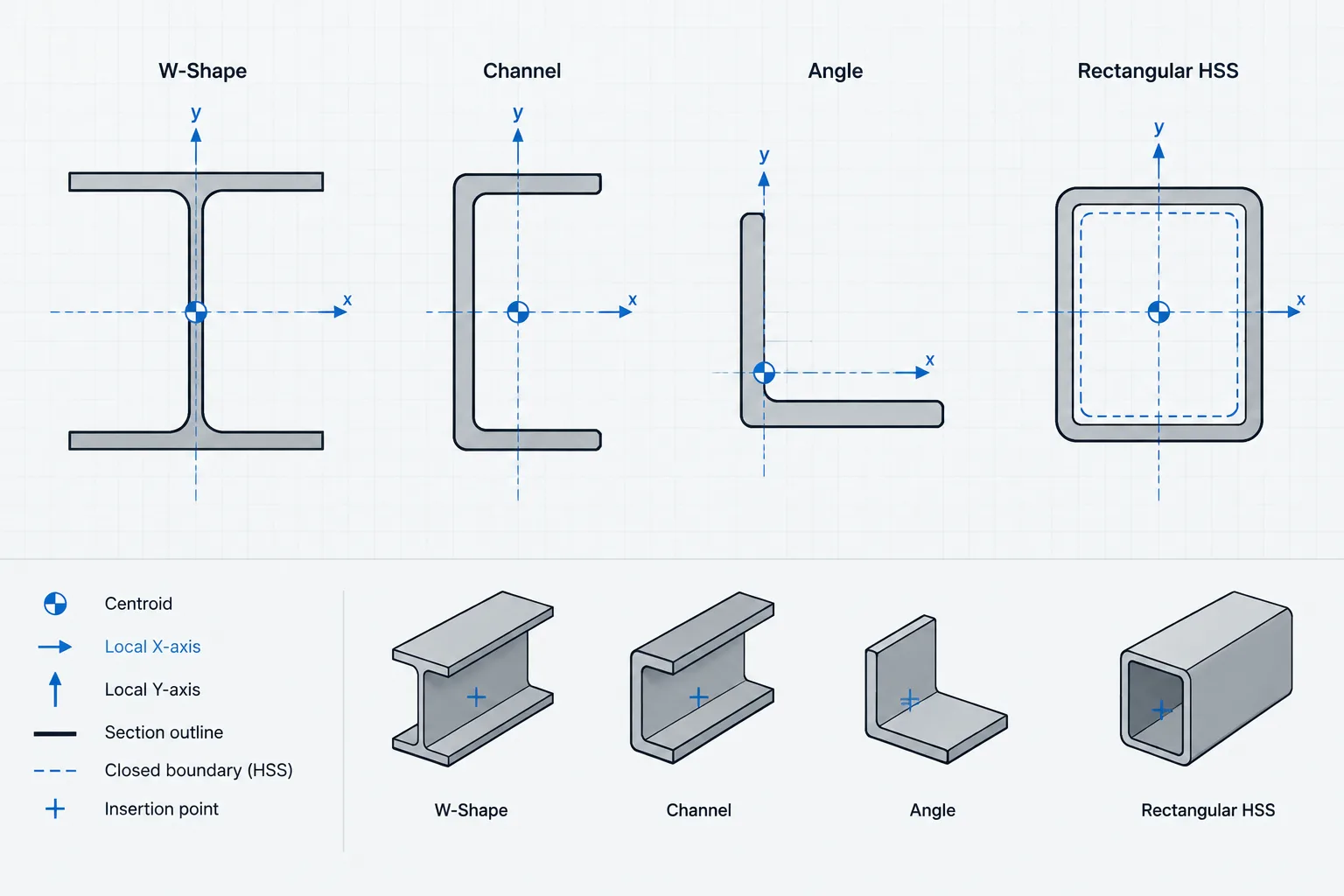
Cleaning Structural Steel Shape Profiles in CAD: Polylines, Fillets, Origins, and Geometry Checks
Learn how to inspect and clean structural steel CAD profiles by checking scale, origins, closed boundaries, fillets, duplicate lines, and section orientation.
Written by
-
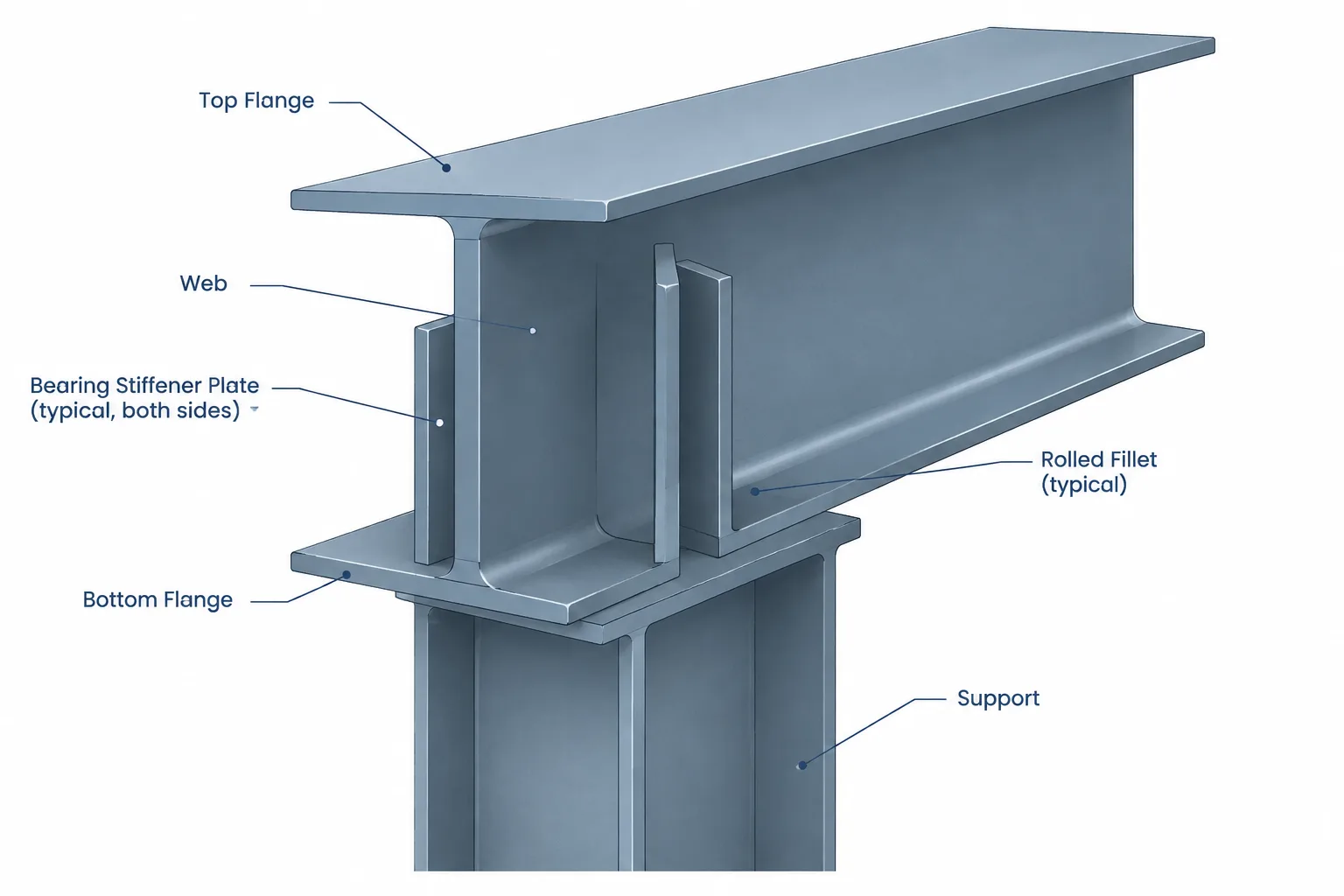
Bearing Stiffeners in Steel Beams: Load Path, Fit, Pairing, and Detailing
A practical guide to steel beam bearing stiffeners, including load paths, plate fit, paired layouts, rolled-shape fillets, weld access, and drawing coordination.
Written by