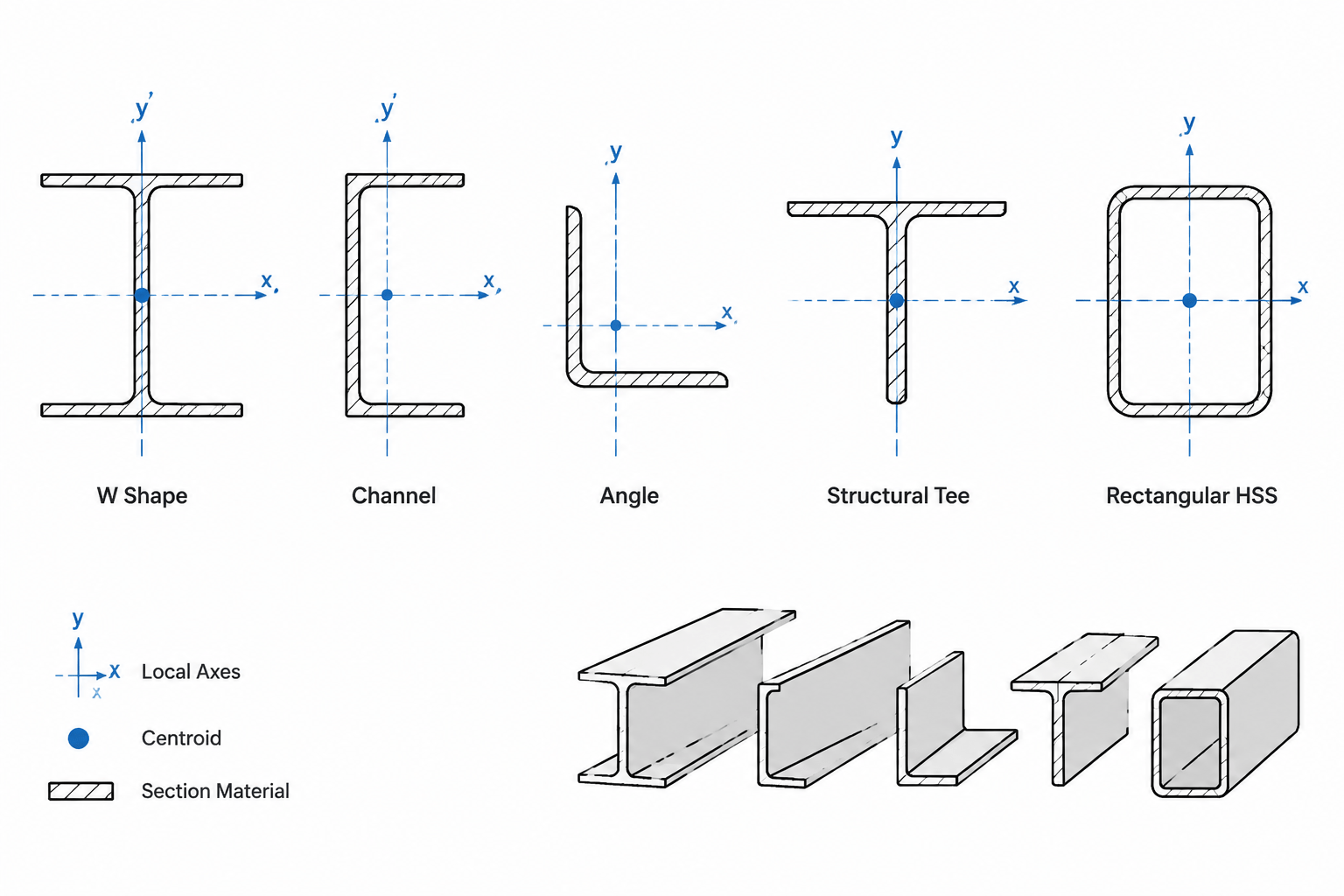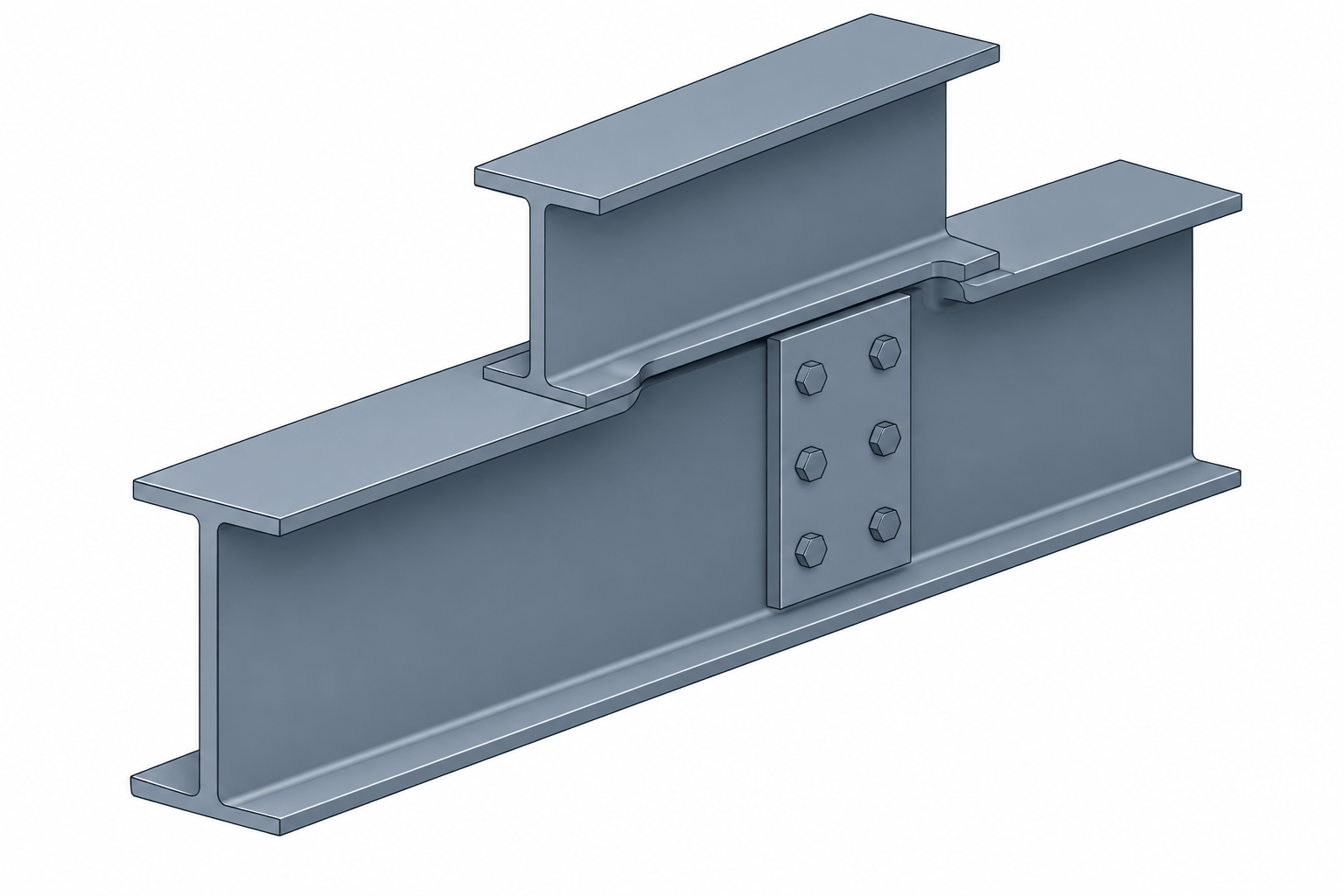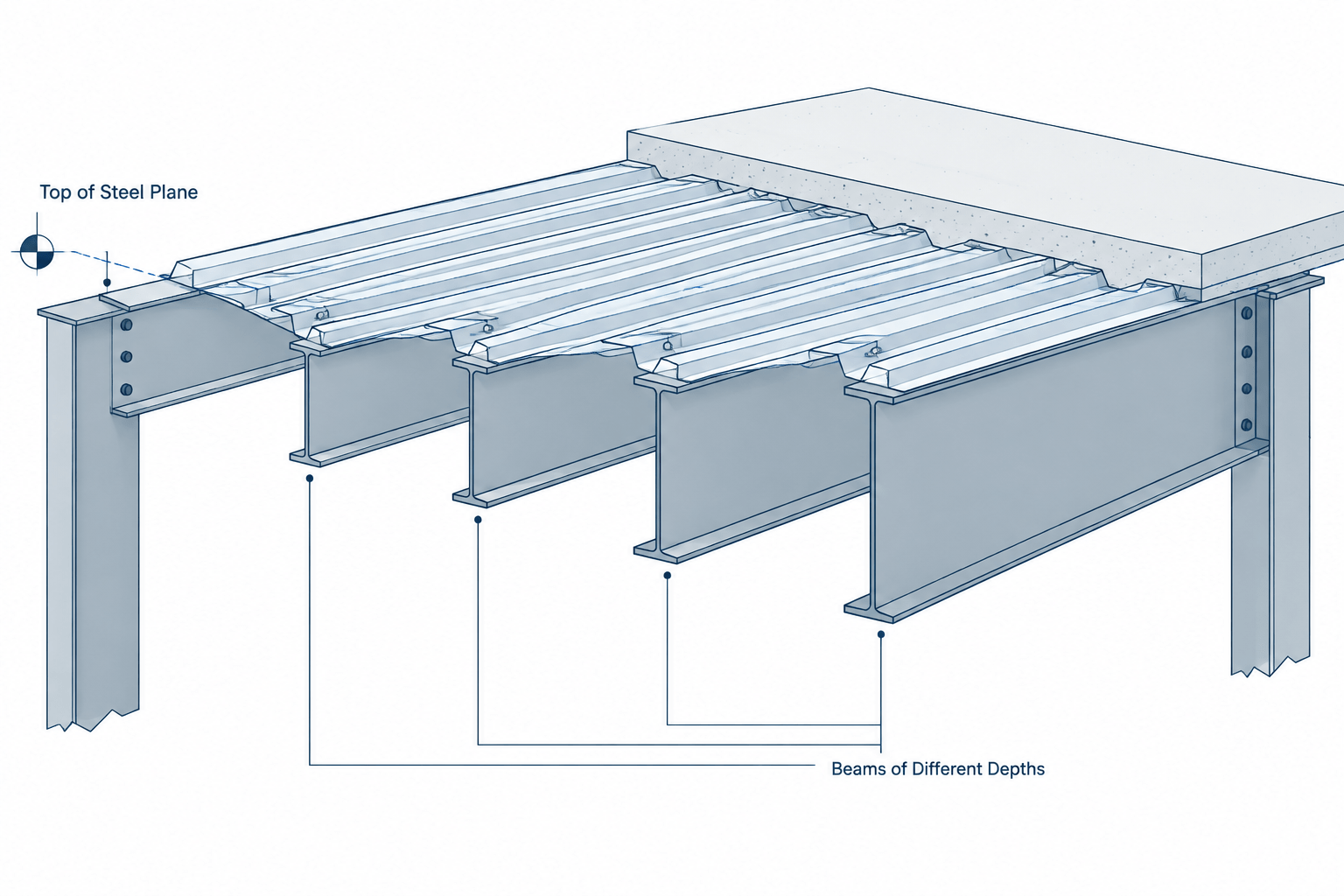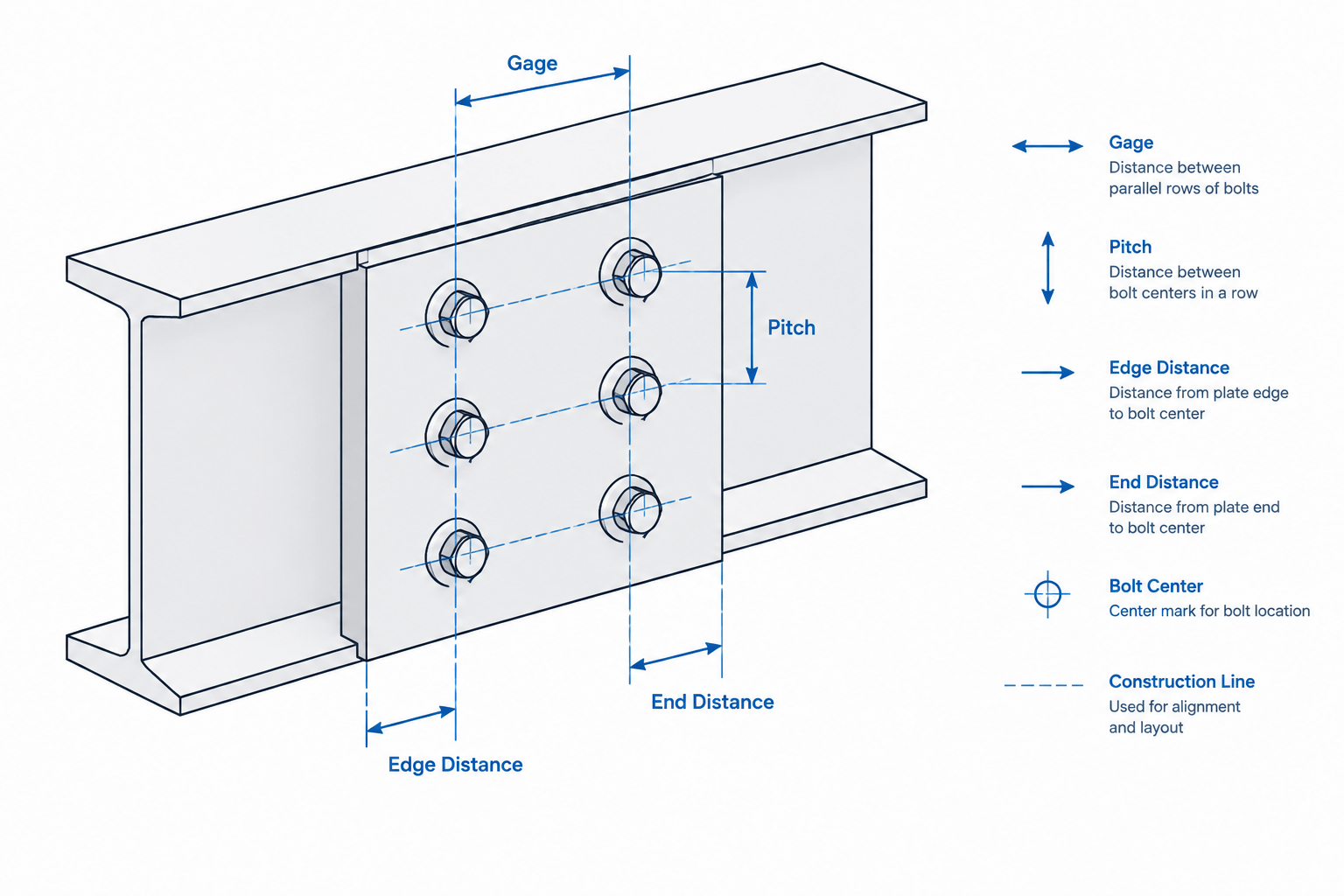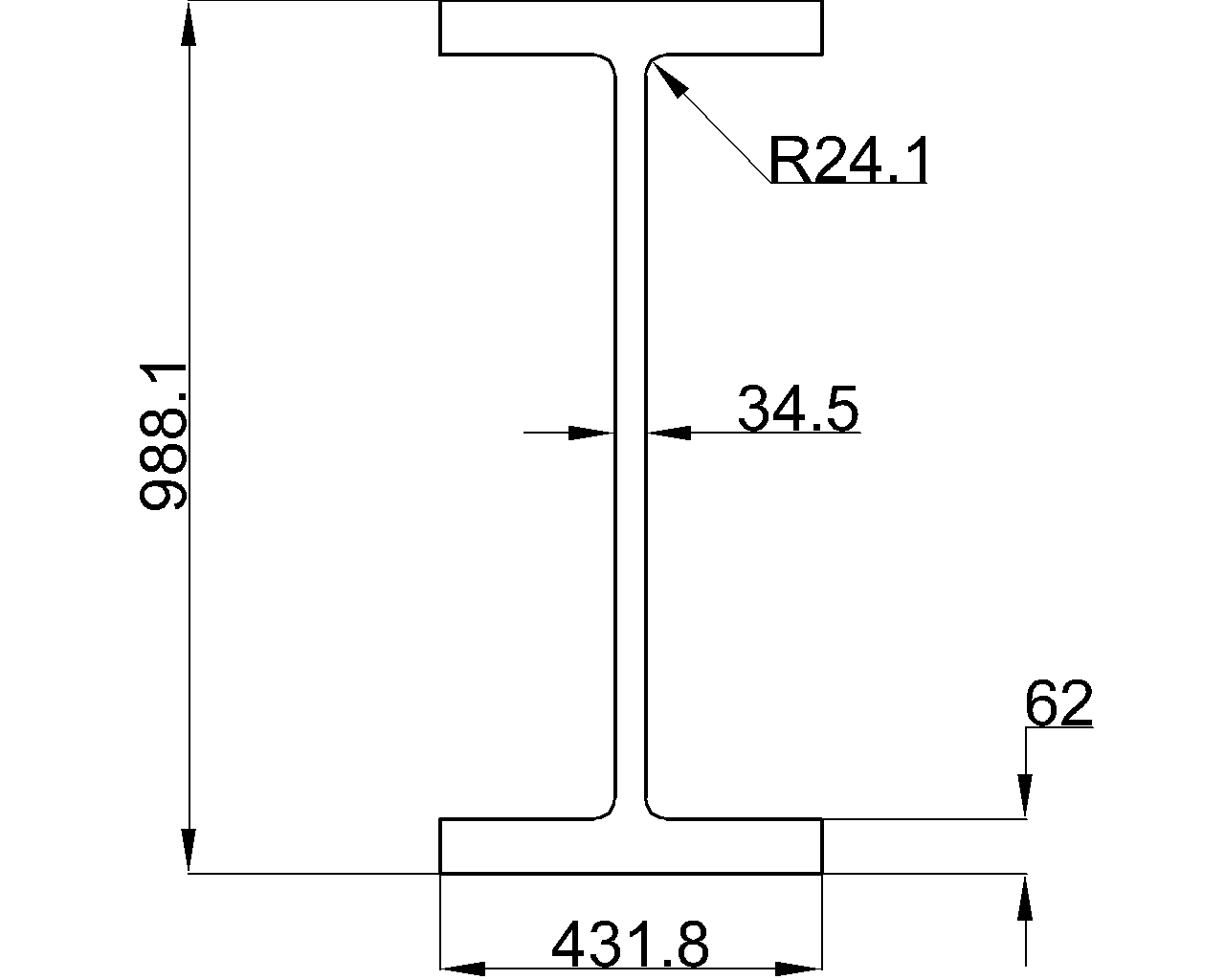
The W36x441 is a wide-flange structural steel shape identified by its nominal depth and weight designation. This reference page collects the listed dimensions, section data, AISC context, and a CAD download in one place for engineers, detailers, fabricators, and students.
Use the source values below when checking a drawing, comparing W-shape dimensions, or preparing preliminary connection and detailing information. For design work, confirm material requirements, design assumptions, applicable project specifications, and current governing references with the responsible engineer.
W Beam
refer to : AISC 16
the American Institute of Steel Construction (AISC) Specification for Structural Steel Buildings (AISC 360-16), which is the 2016 edition of the AISC Specification for Structural Steel Buildings. It provides guidelines and requirements for the design, fabrication, and erection of steel structures in the United States.
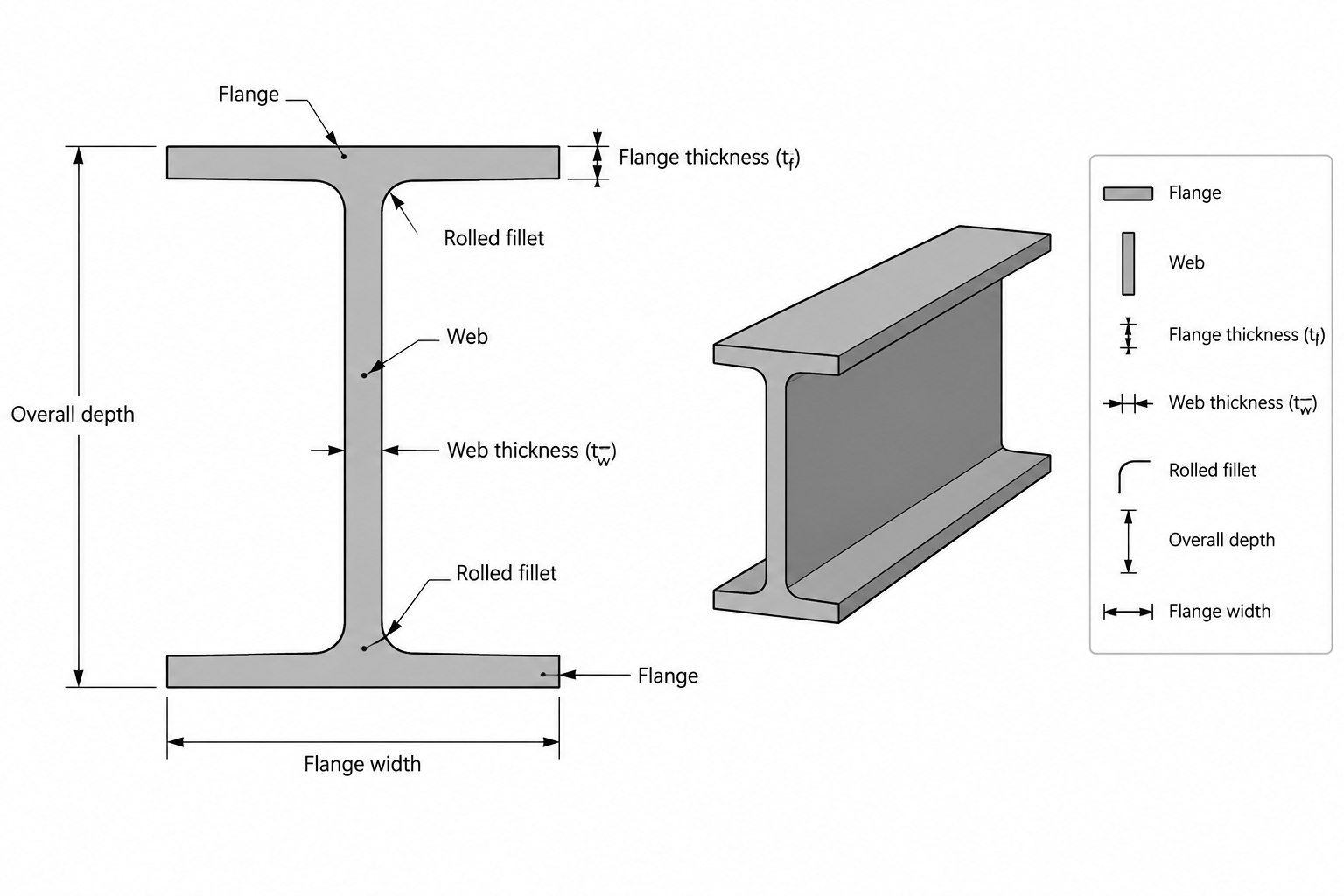
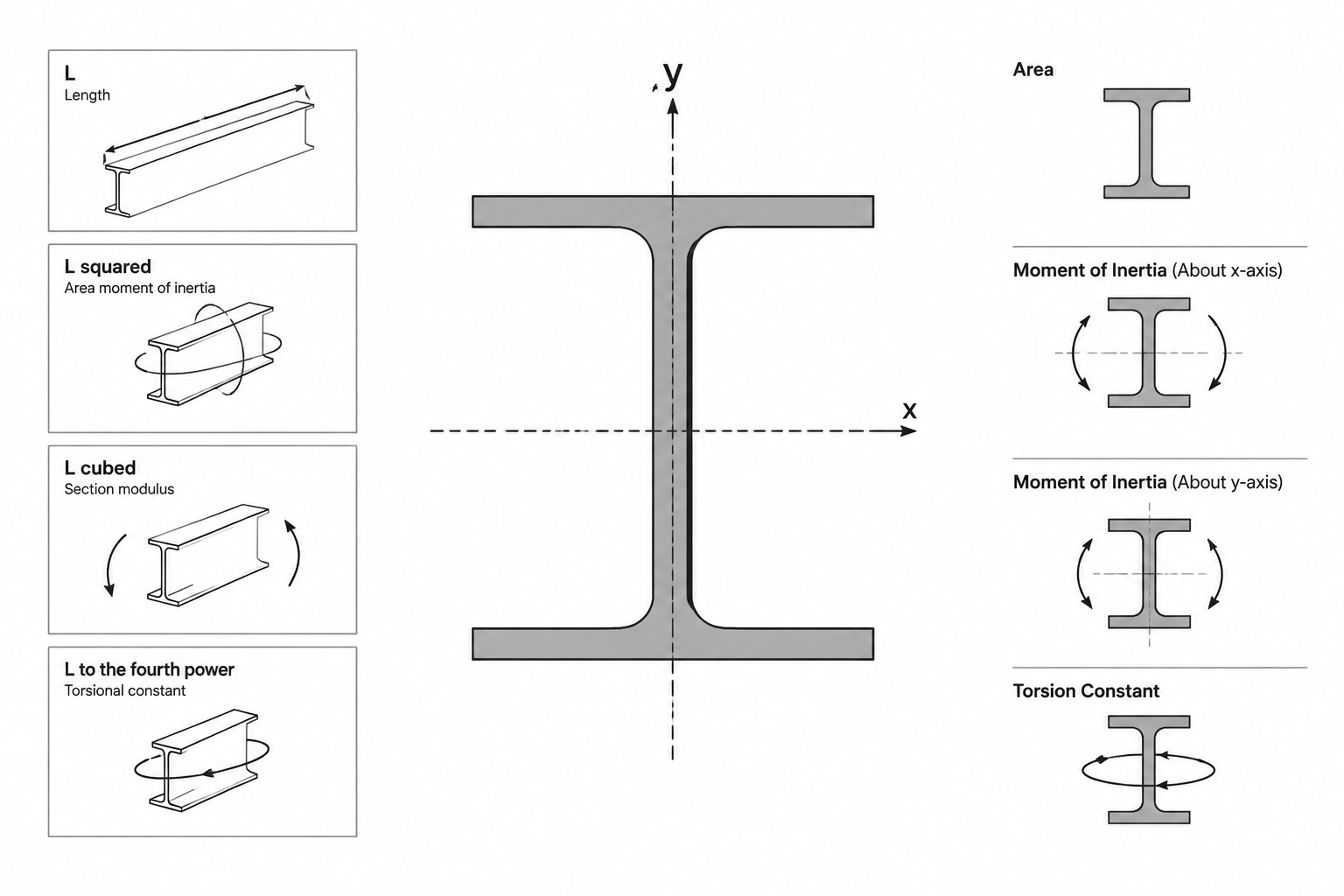
Depth : 988.1 mm
Width : 431.8 mm
Web Thickness : 34.5 mm
Flange Thickness : 62 mm
Root Fillet Radius : 24.1 mm
Sectional Area : 838.71 cm2
Unit Weight : 658.4 kg/m
How to read the W36x441 designation
In the W-shape naming system, the letter W identifies a wide-flange shape. The designation also communicates the nominal depth family and the shape’s nominal weight basis. The listed overall depth and flange width describe the envelope of the section, while web and flange thickness describe the main plate elements that resist and distribute force.
Understanding the listed dimensions
The source data separates the section into depth, width, web thickness, flange thickness, and root fillet radius. These dimensions are useful for drafting, fit-up checks, clearance reviews, connection detailing, and comparing this shape with other W-shapes. The root fillet is the curved transition between the web and flange; it should be considered when a detail depends on a precise contact or bearing surface.
The sectional area and unit weight provide additional reference information for quantity takeoffs and preliminary coordination. They do not, by themselves, provide all section properties or establish whether the shape is adequate for a particular member, connection, service condition, or load combination.
AISC reference and CAD workflow
The source identifies AISC 360-16 as the governing reference context for the listed U.S. structural-steel specification information. Treat that reference as part of the page context rather than as a replacement for the project documents or the engineer’s design basis.
The downloadable DWG can support drafting and coordination workflows. Before using it in a production drawing, check units, layer conventions, insertion scale, origin, section orientation, and the correspondence between the CAD geometry and the authoritative dimensions on this page. Related internal resources may include the W-shape dimensions index, steel section properties guide, structural steel connections, and DWG detailing resources.
W36x441 FAQ
What does W36x441 mean?
It identifies a wide-flange structural steel shape. The designation combines the W-shape series, nominal depth family, and nominal weight designation.
What dimensions are listed for this shape?
The source lists overall depth, flange width, web thickness, flange thickness, root fillet radius, sectional area, and unit weight. Use those values as the local reference data for this page.
Can the listed dimensions be used for structural design?
They can support reference, coordination, and preliminary checking, but member and connection design also require the applicable material, loading, stability, limit-state, detailing, and project requirements. Final design should be verified by a qualified engineer.
What should I check before using the DWG file?
Confirm the drawing’s units, scale, orientation, layer setup, and geometry against the listed source dimensions before incorporating it into a project document.
Does the unit weight replace a complete material takeoff?
No. It is a reference value for the listed shape. A project takeoff should also account for the required member length, detailing, splices, plates, connection material, waste, and the project’s measurement rules.