UB 762x267x197 is a Universal Beam reference entry for a hot-rolled structural steel section. This page brings the listed dimensions and sectional data together with practical guidance for reading the profile, checking terminology, and using the associated CAD reference responsibly.
The source data identifies the section with reference to EN 10365:2017, which provides a common framework for dimensions, tolerances, and sectional properties of hot-rolled steel products. Use the values shown in the existing reference content as the controlling local data for drafting and preliminary reference work.
UB 762x267x197
Universal Beams
refer to : EN 10365:2017
a European standard that defines the dimensions, tolerances, and sectional properties for hot-rolled steel channels, I-beams, and H-beams used in construction and engineering. It ensures uniformity and compatibility across European structural steel products.
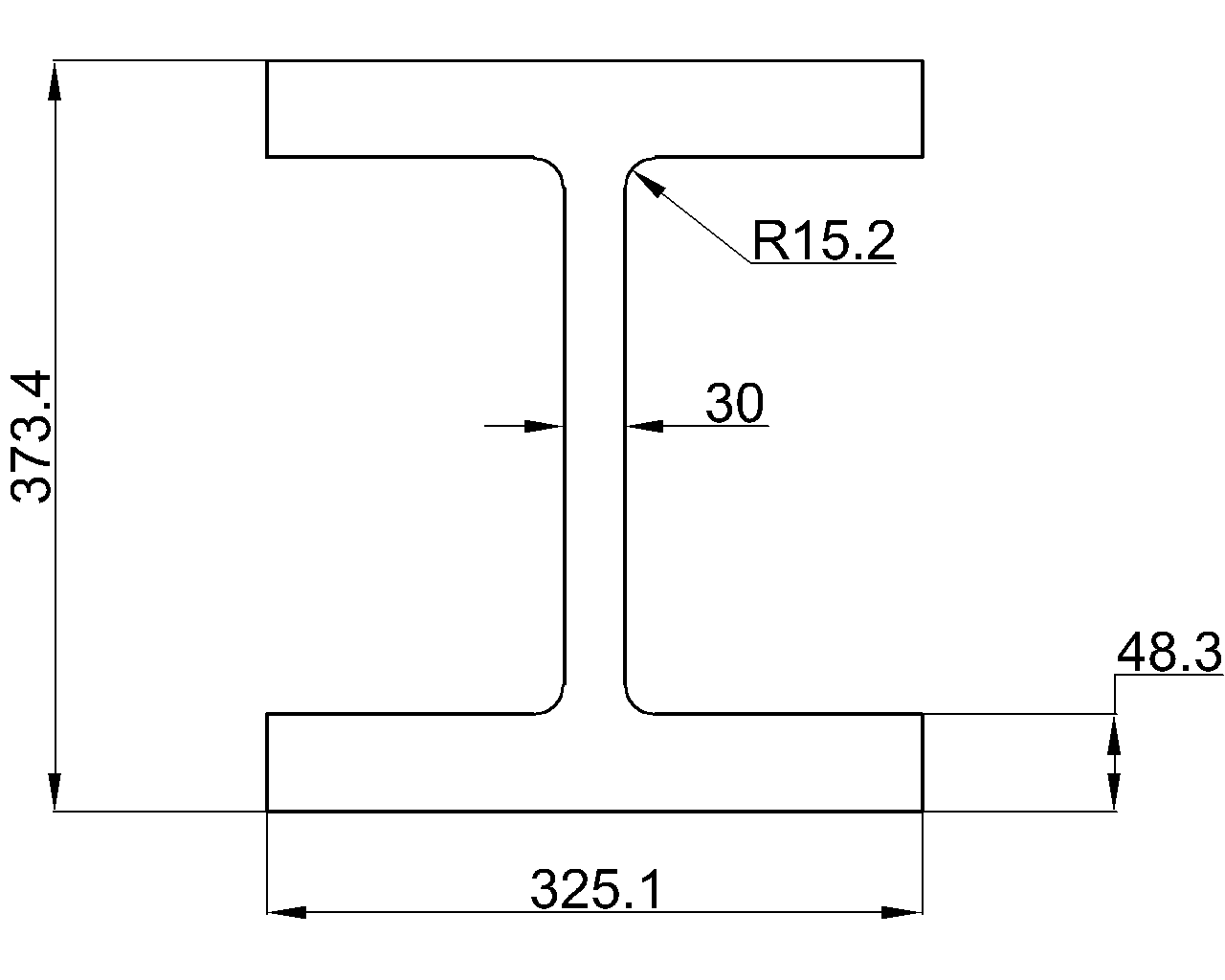
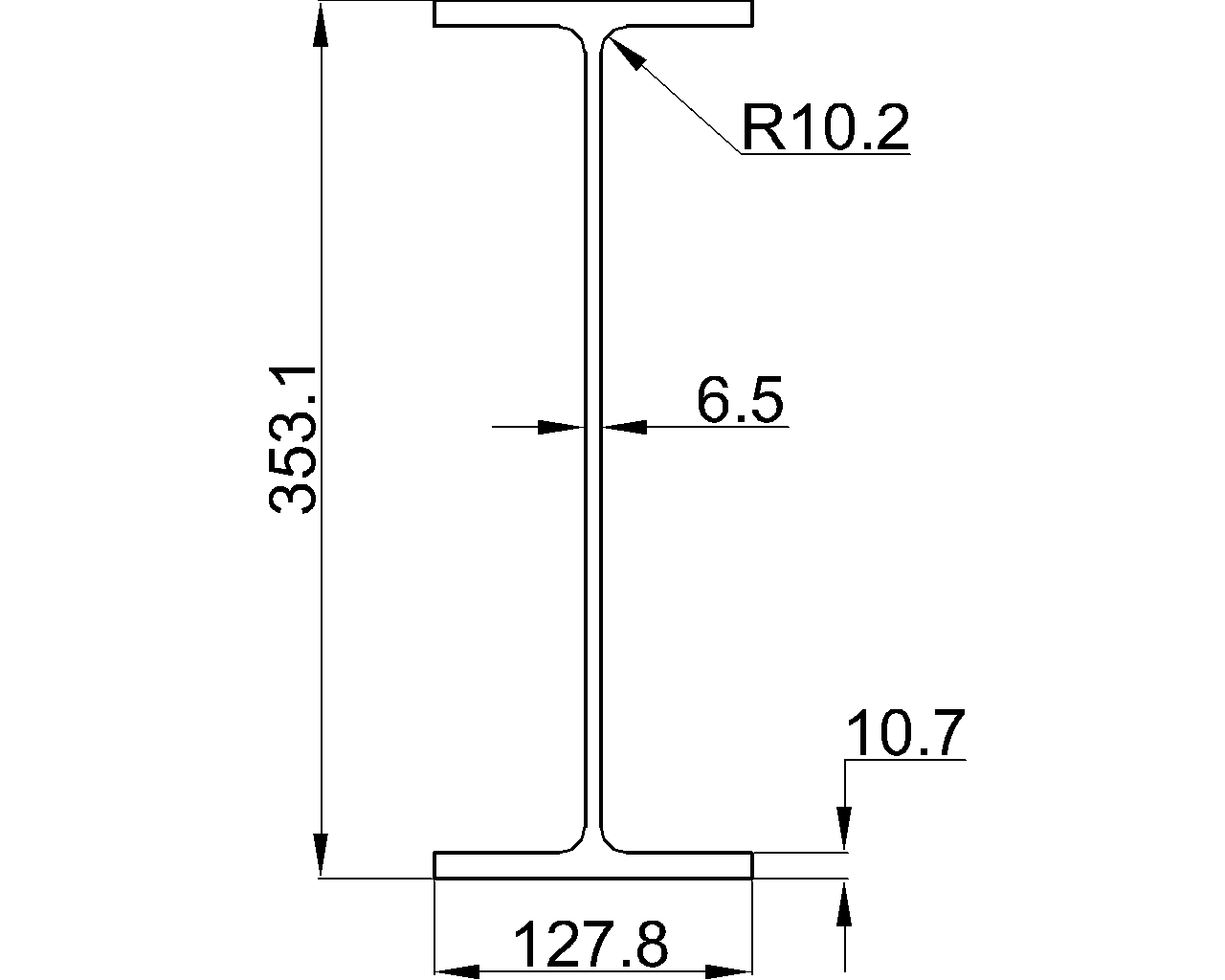
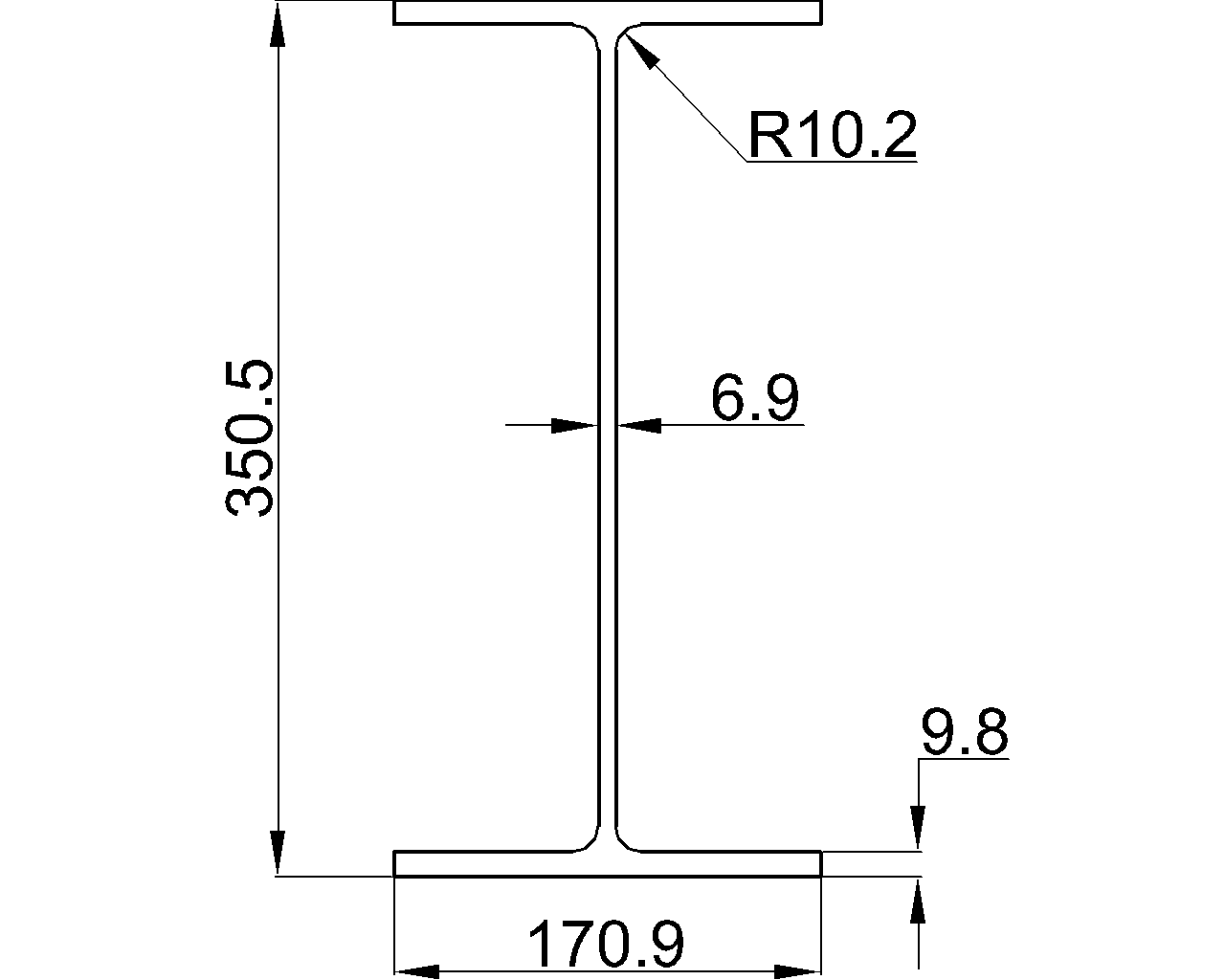
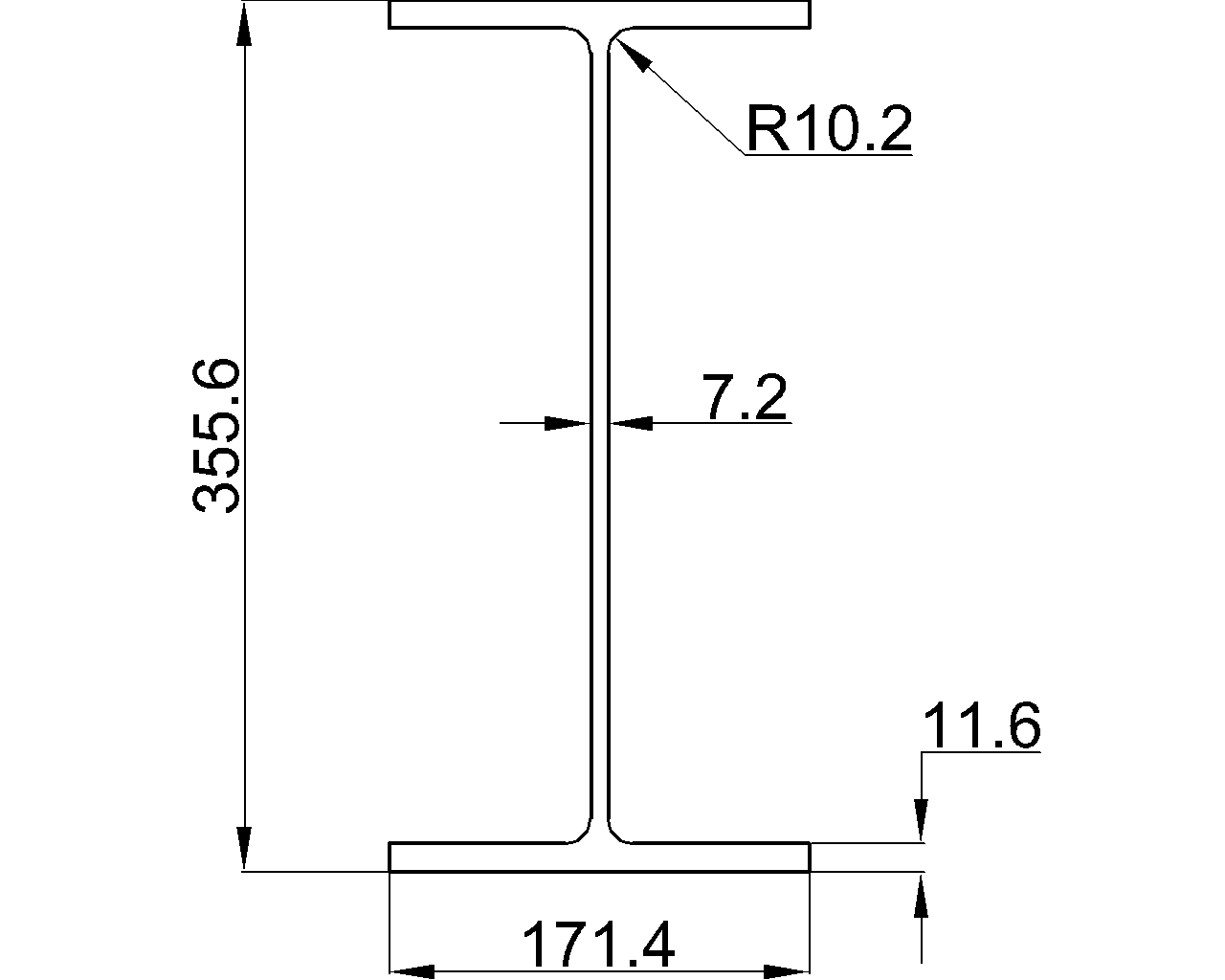
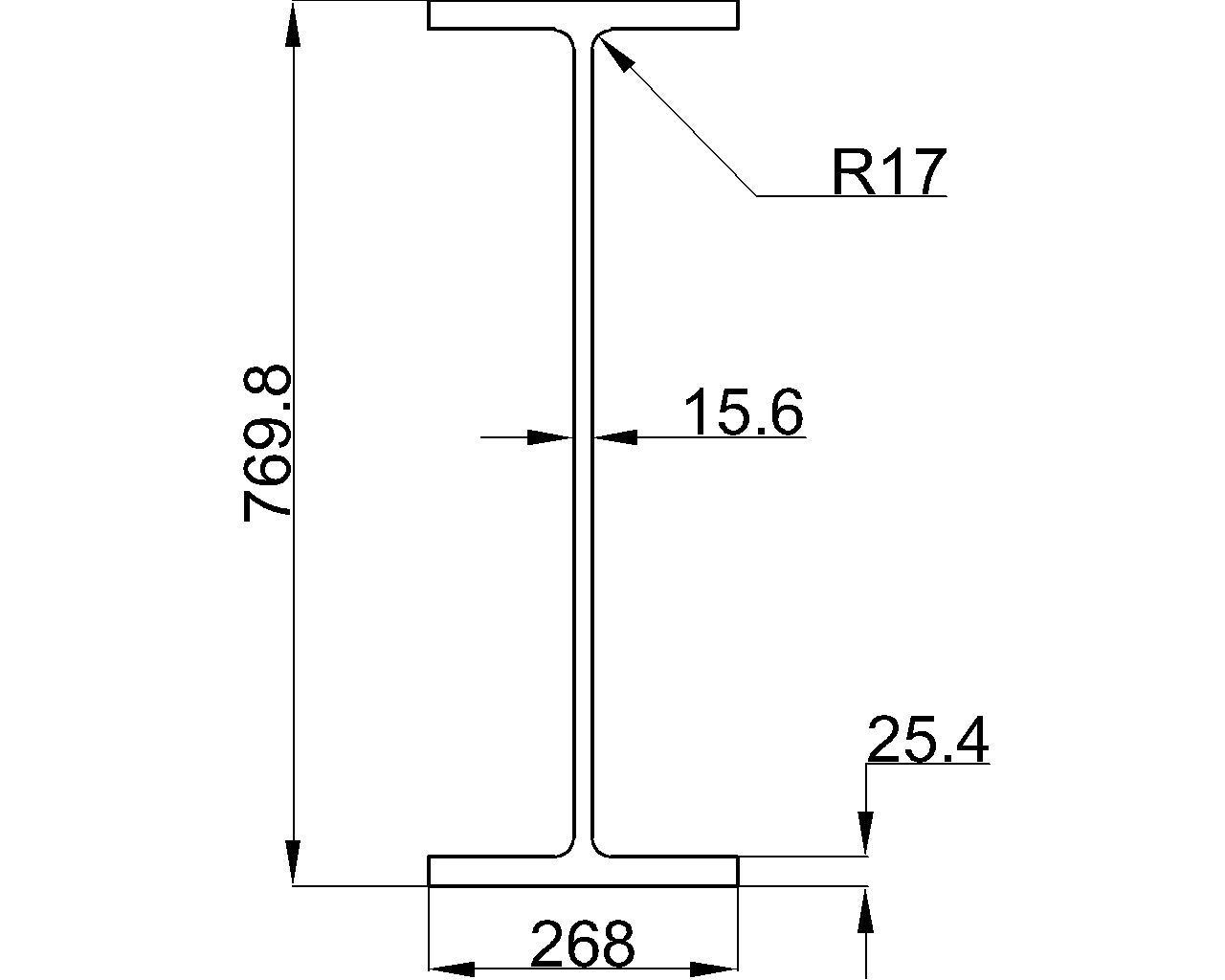
Dimension : 769.8x268x15.6×25.4
Depth : 769.8 mm
Width : 268 mm
Web Thickness : 15.6 mm
Flange Thickness : 25.4 mm
Root Fillet Radius : 17 mm
Sectional Area : 250.6 cm2
Unit Weight : 196.7 kg/m
Understanding the UB 762x267x197 profile
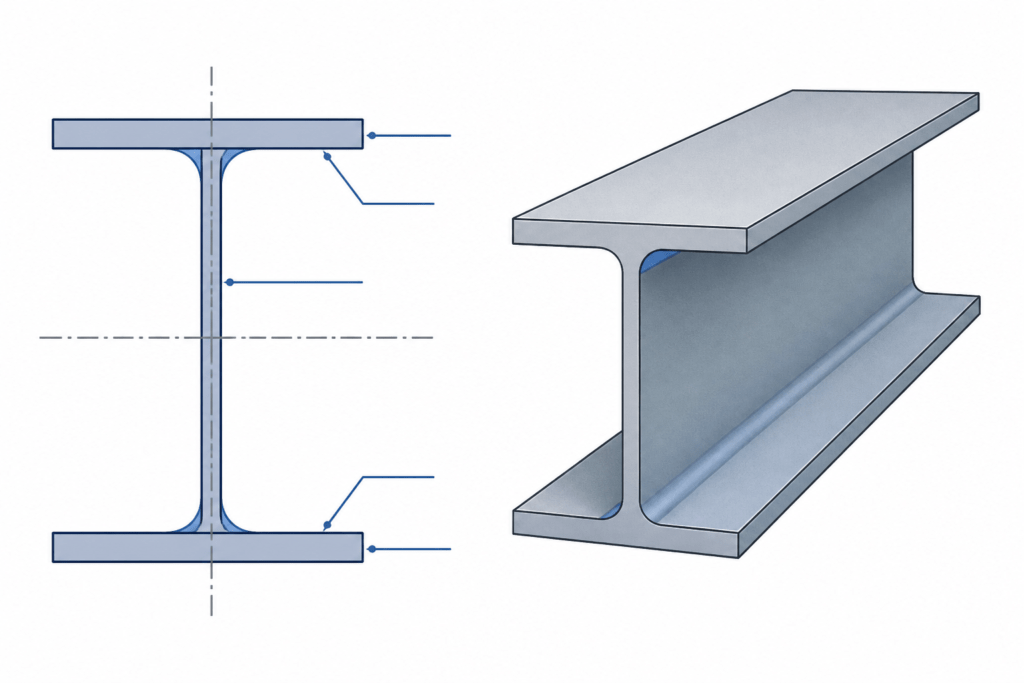
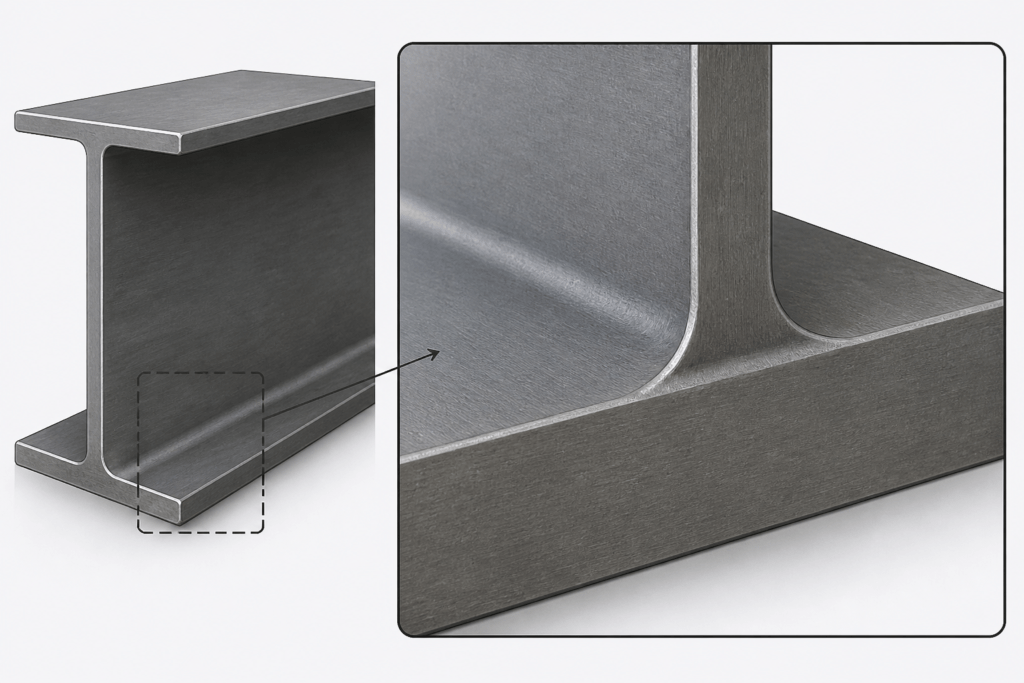
A Universal Beam has two wide flanges connected by a central web. The flanges primarily provide material away from the section’s neutral axis, while the web connects the flanges and contributes to the overall behavior of the section. The root fillets provide a gradual transition between the web and flanges and are important when interpreting the rolled profile or preparing connection details.
What the listed dimensions mean
- Depth describes the overall vertical size of the rolled section.
- Width describes the overall flange-to-flange dimension.
- Web thickness identifies the thickness of the central web.
- Flange thickness identifies the thickness of each flange.
- Root fillet radius describes the curved transition between the web and a flange.
Sectional data and drafting use
The listed sectional area and unit weight are useful reference properties for material takeoff, comparison of steel sections, and coordination between design and drafting teams. Unit weight is expressed as mass per unit length, while sectional area describes the amount of steel represented in a cross-section. These values should not be treated as a substitute for a project-specific structural check.
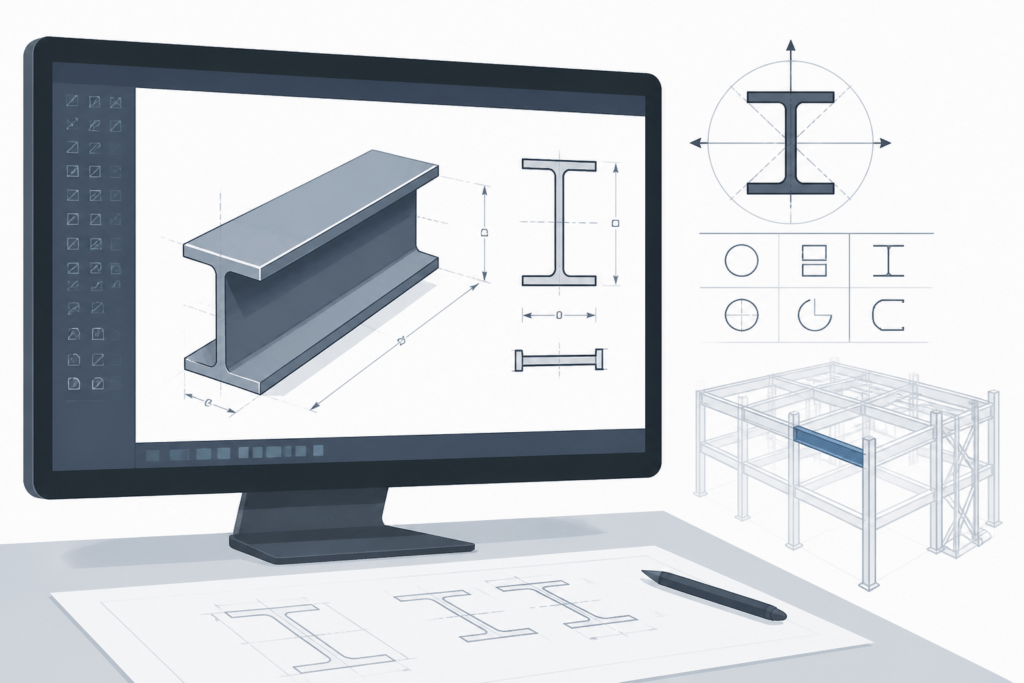
The accompanying DWG resource can support layout, detailing, and CAD coordination. Before using the drawing for fabrication or final design documentation, confirm the profile orientation, drawing units, tolerances, connection clearances, and project requirements against the governing documents and approved design information.
Related steel reference topics
This section is best understood alongside references covering Universal Beam terminology, rolled-section dimensions, steel section properties, connection detailing, and CAD standards. Comparing related UB entries can help explain how changes in depth, width, web thickness, flange thickness, and mass affect section selection without assuming that any particular profile is appropriate for a specific structure.
Frequently asked questions
What is UB 762x267x197?
It is a Universal Beam section identified by the designation shown in the reference entry. The listed source data gives its dimensions, sectional area, and unit weight.
Which standard is referenced for this section?
The entry refers to EN 10365:2017, a European standard covering dimensions, tolerances, and sectional properties for hot-rolled steel channels, I-beams, and H-beams.
What is the difference between section depth and width?
Depth is the overall vertical dimension of the beam profile, while width is the flange-to-flange dimension across the section. The source content lists both values separately because they describe different aspects of the shape.
Why is the root fillet radius important?
The root fillet is the curved transition between the web and flange. It affects how the rolled profile is represented in drawings and should be considered when checking connection fit, clearances, and detailing geometry.
Can the DWG file be used directly for fabrication?
The DWG is a useful drafting reference, but it should be checked against the approved project documents, drawing units, fabrication requirements, and the governing steel specification before fabrication use.