Tag: structural steel detailing
-
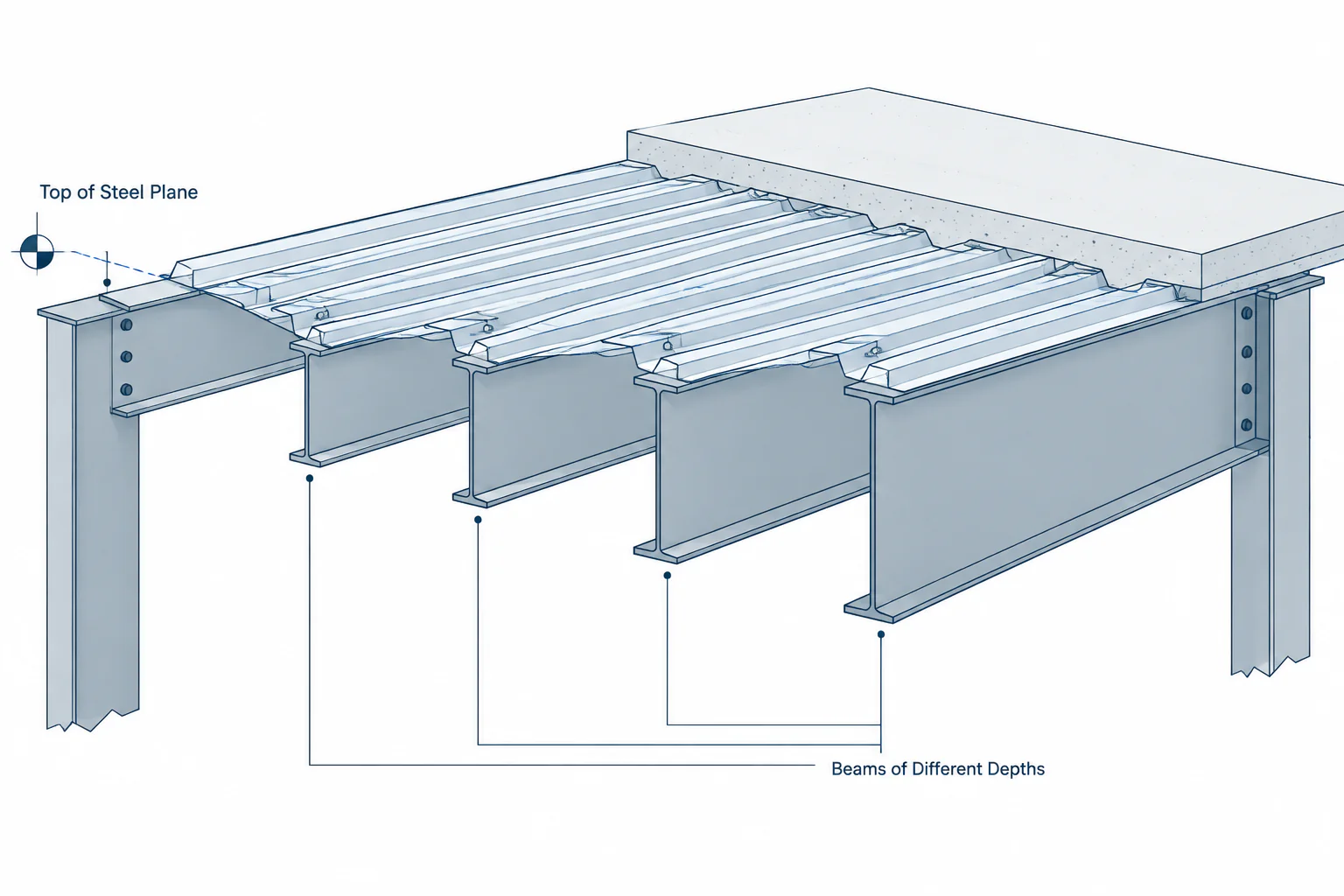
Top of Steel Elevations in Structural Drawings: TOS, BOS, Slopes, and Camber
Learn how top of steel elevations relate to beam depth, slope, camber, connections, and CAD coordination in structural steel drawings.
Written by
-
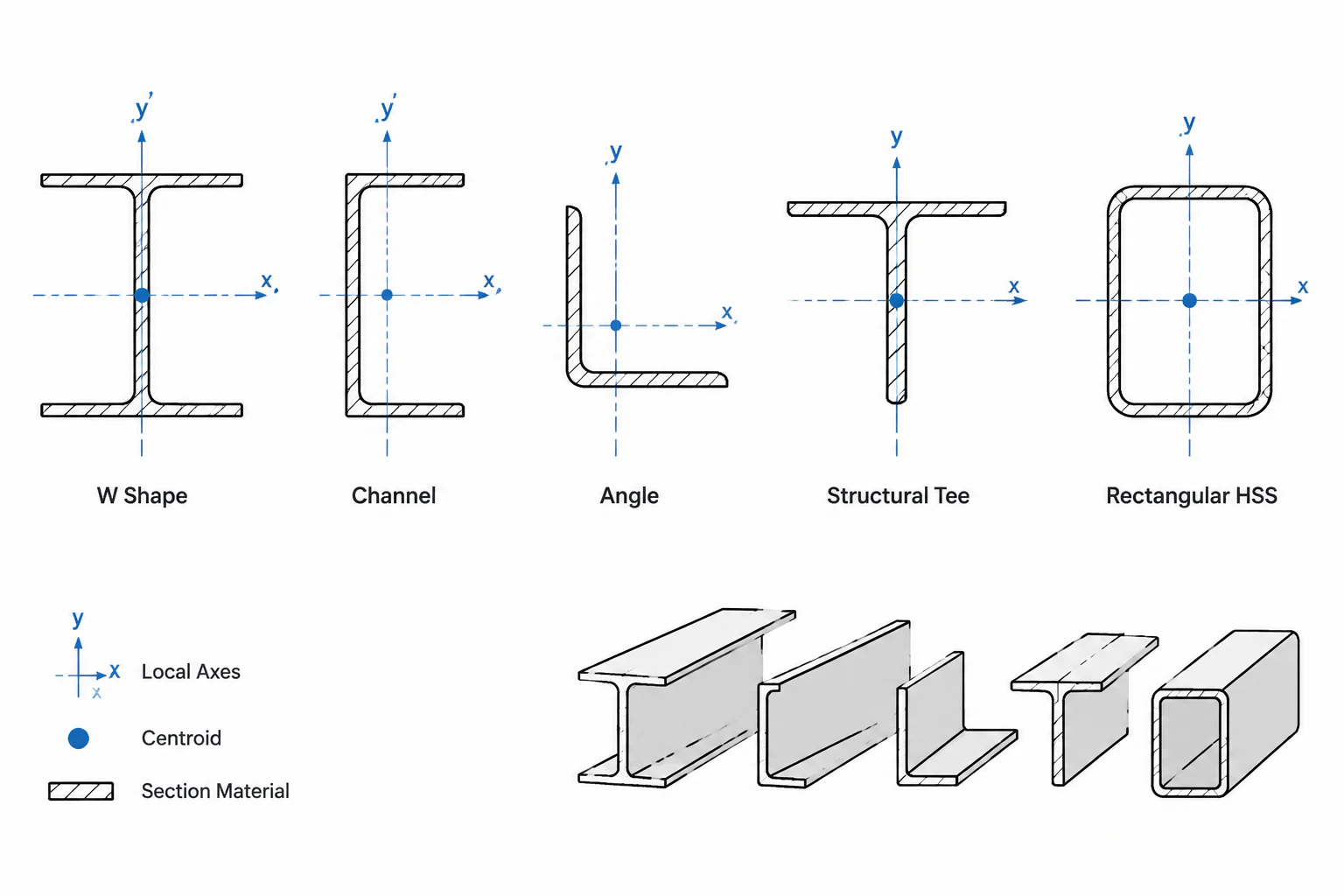
Centroid Coordinates in Steel Shape Tables: x̄, ȳ, Reference Axes, and CAD Placement
Learn how to interpret x-bar and y-bar centroid coordinates for W shapes, channels, angles, tees, and HSS, including reference origins and CAD checks.
Written by
-
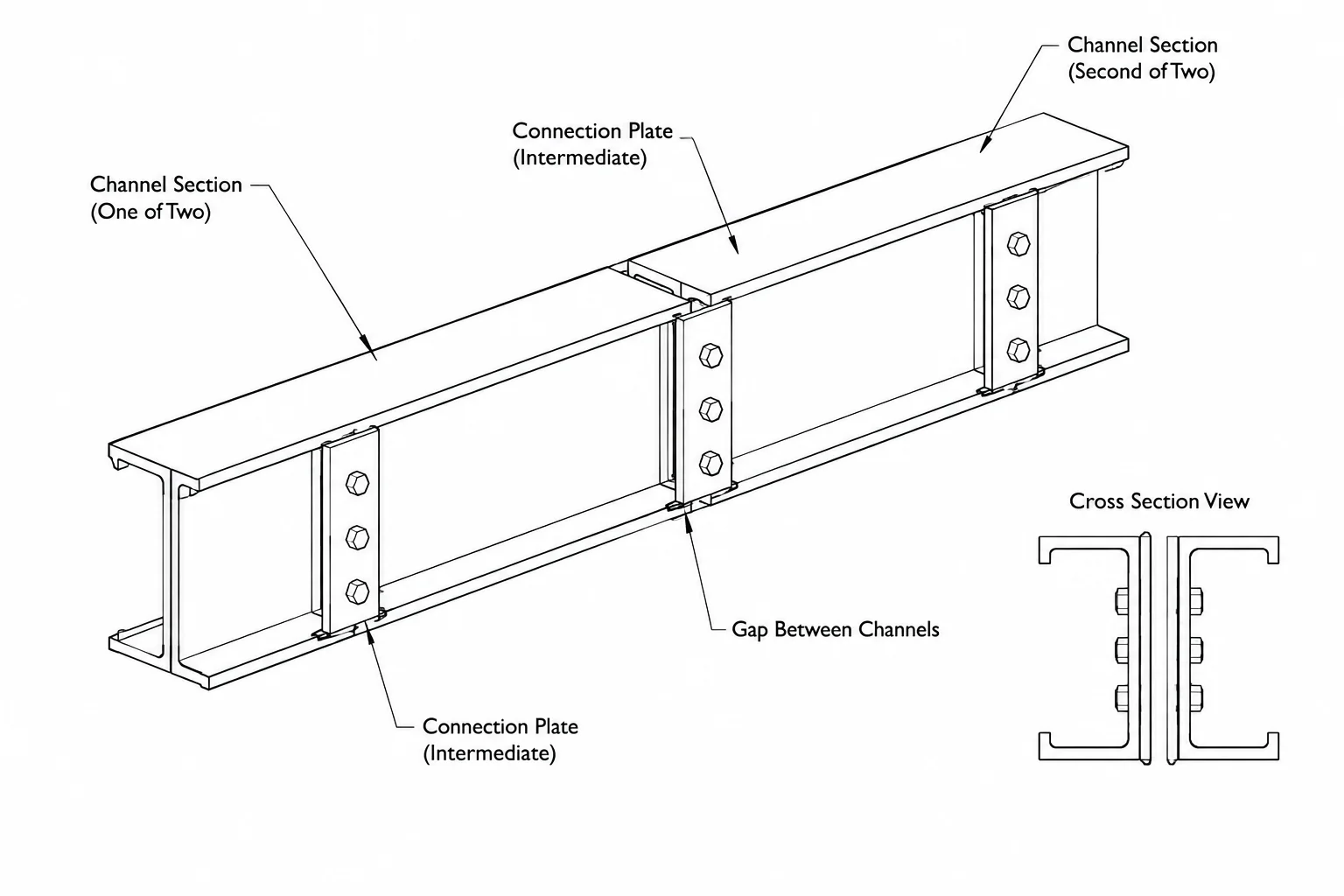
Back-to-Back Steel Channels and Angles: Orientation, Spacing, and Detailing
Learn how to detail back-to-back steel channels and angles, including orientation, spacing, built-up behavior, section properties, and CAD drawing practice.
Written by
-
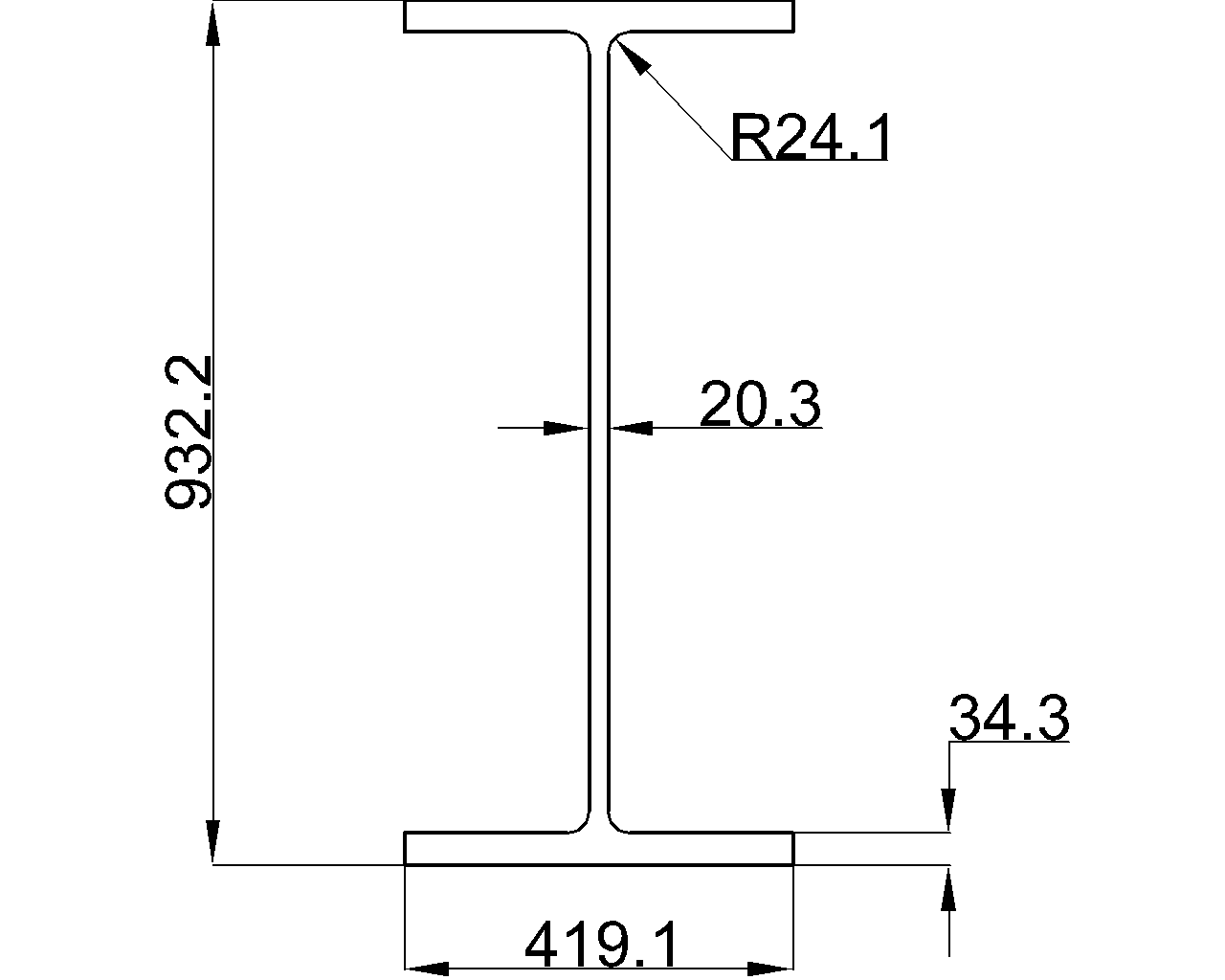
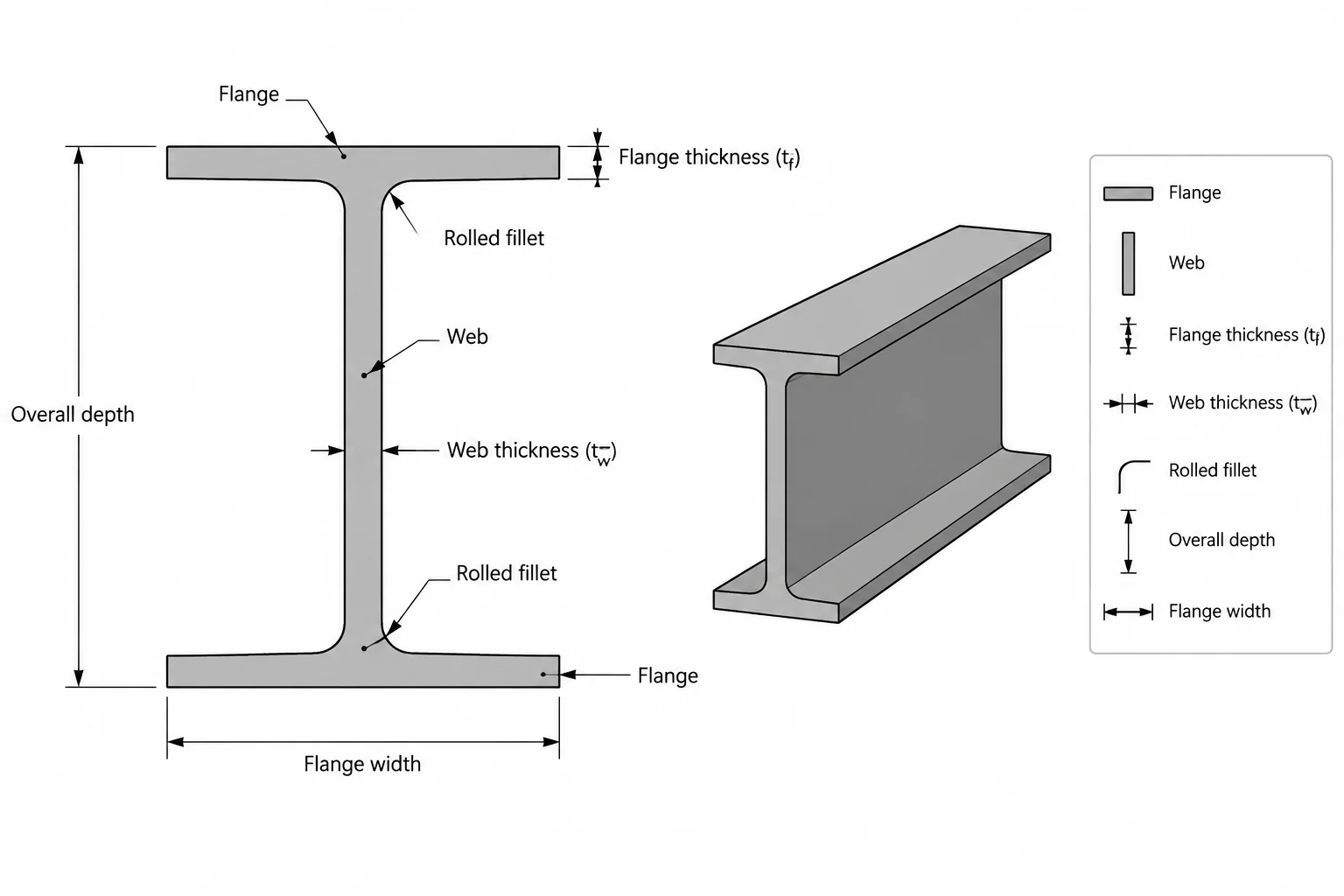
Flange and Web Thickness in Steel Shape Tables: Understanding tf and tw
Learn how to interpret flange thickness tf and web thickness tw in steel shape tables and apply them correctly in CAD, detailing, and connection layouts.
Written by
-
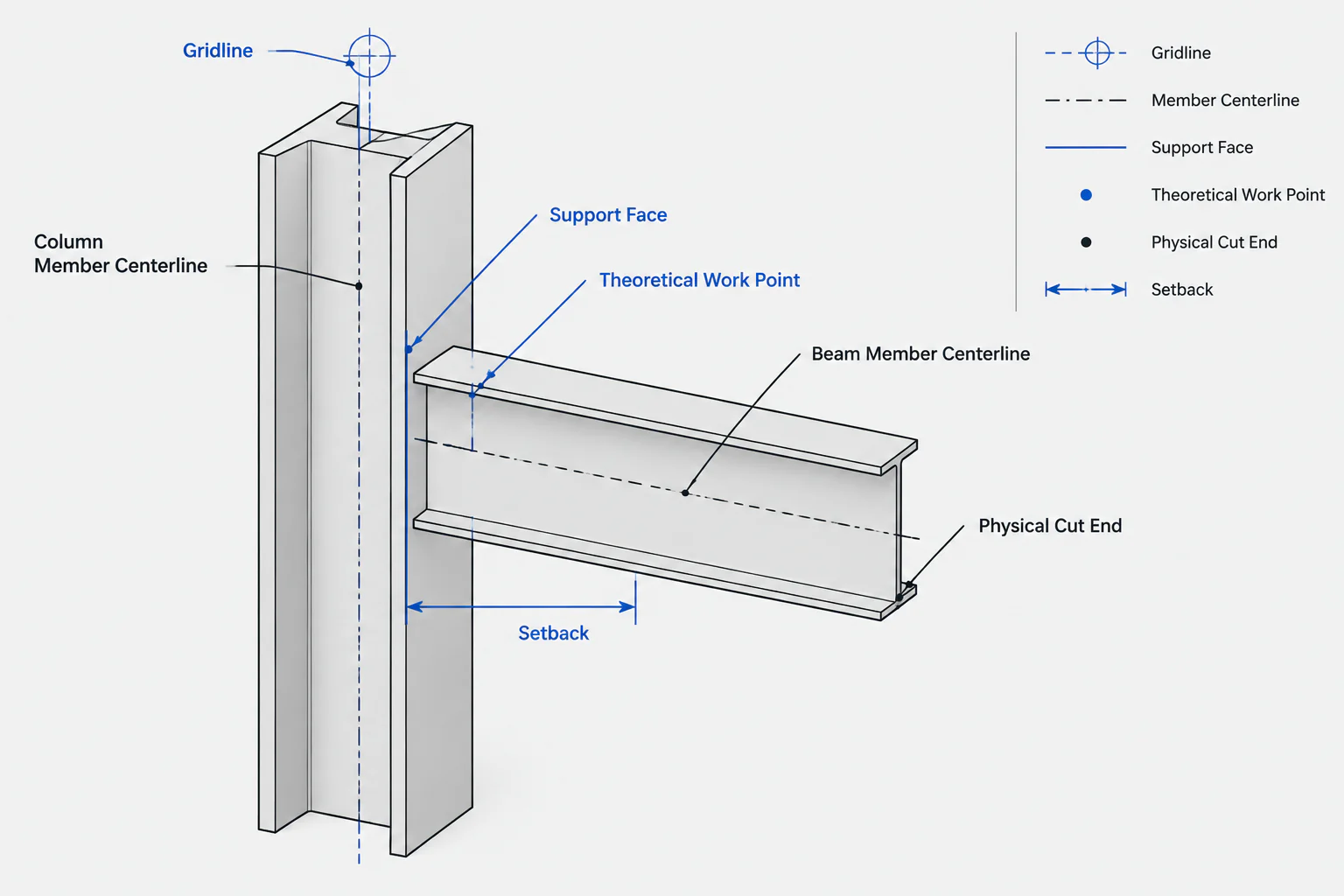
Work Points, Member Centerlines, and Setbacks in Structural Steel Detailing
Learn how work points, member centerlines, support faces, setbacks, and cut lines control structural steel detailing and CAD geometry.
Written by
-
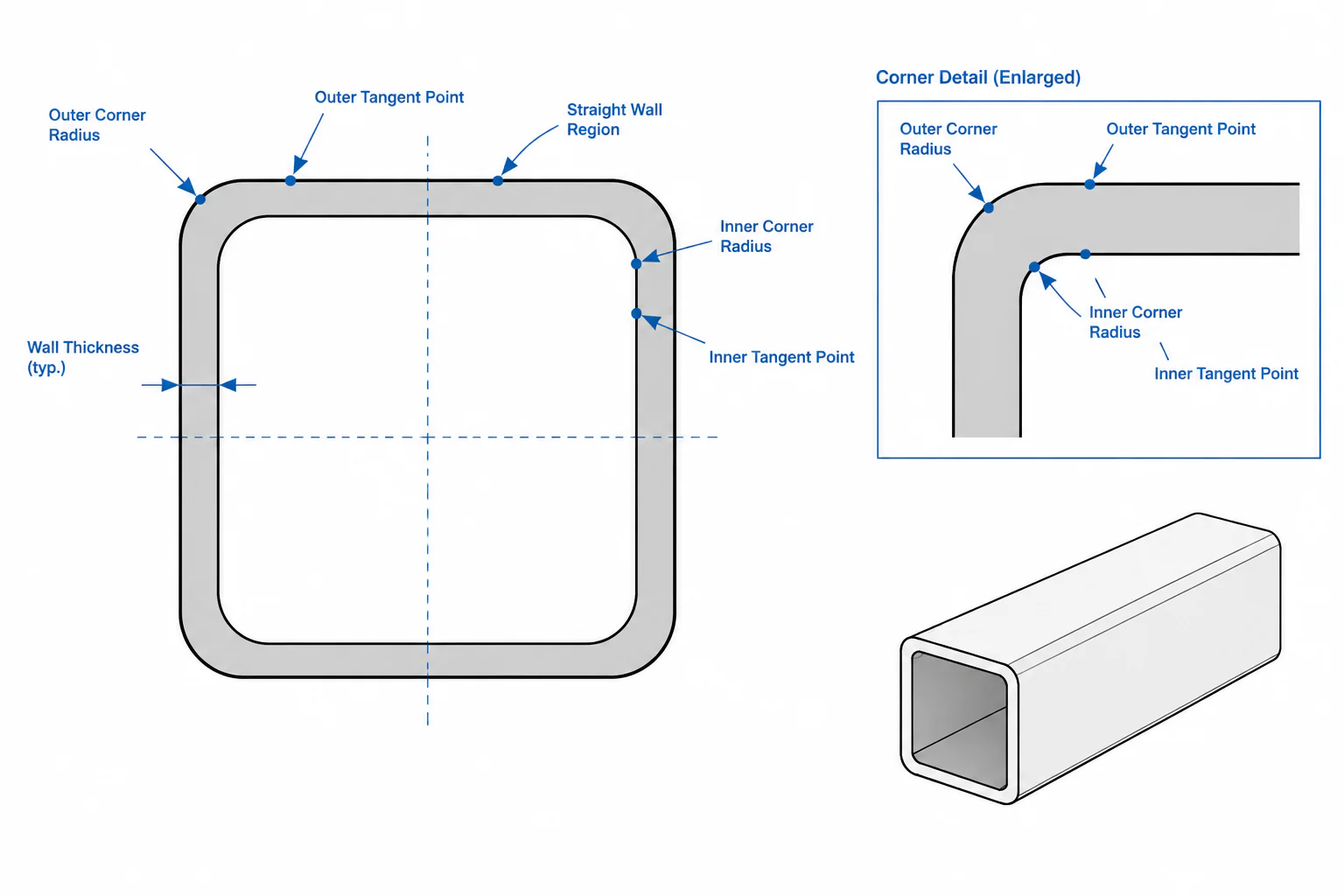
HSS Corner Radii and Flat Width: Practical Guidance for Detailing and CAD
Learn how HSS corner radii, flat widths, wall thickness, and outside dimensions affect steel detailing, connection fit-up, and CAD geometry.
Written by
-
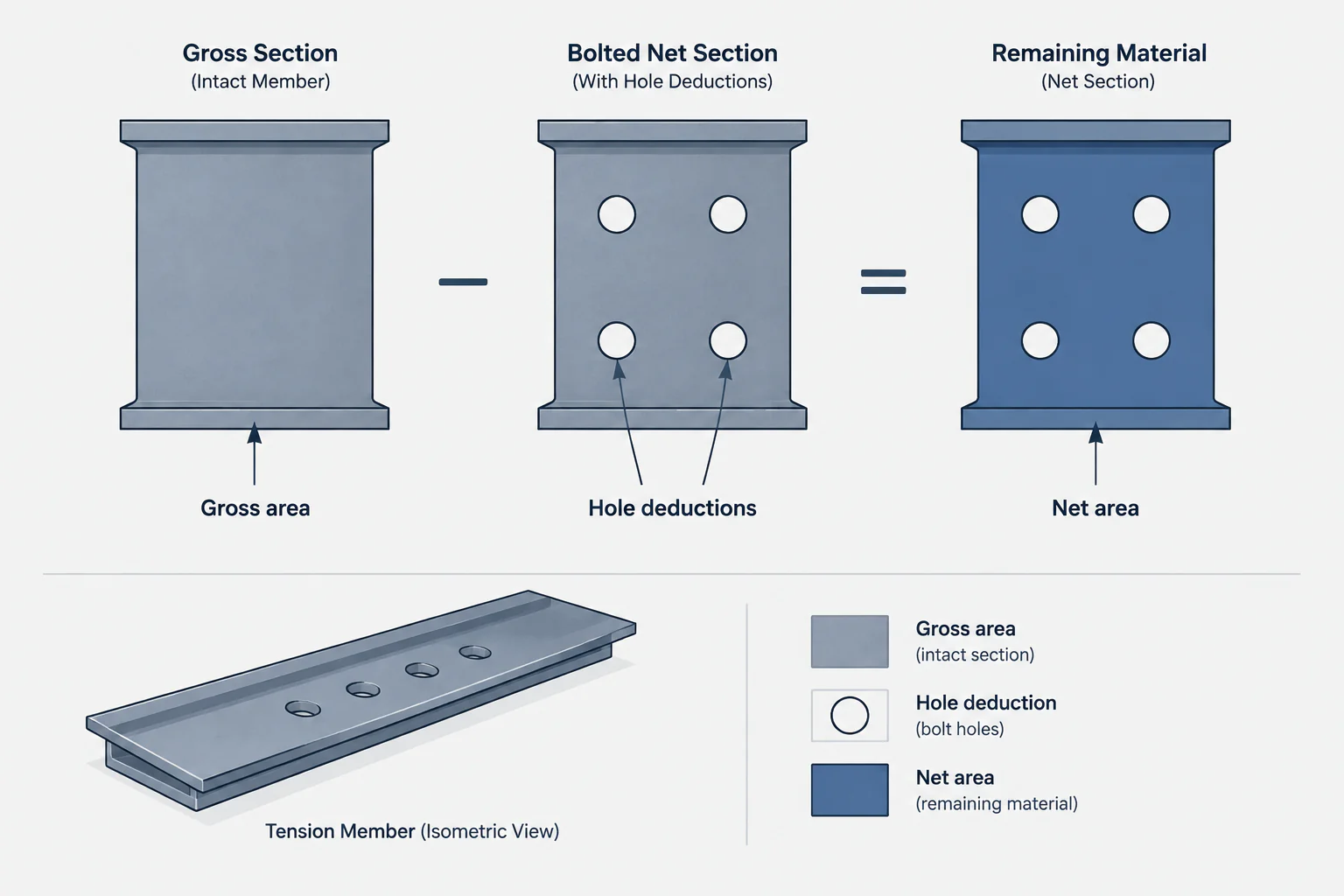
Gross Area vs. Net Area in Structural Steel Members
Learn how gross, net, and effective net area differ in steel members, why shape tables list gross area, and how holes and connection geometry affect calculations.
Written by
-
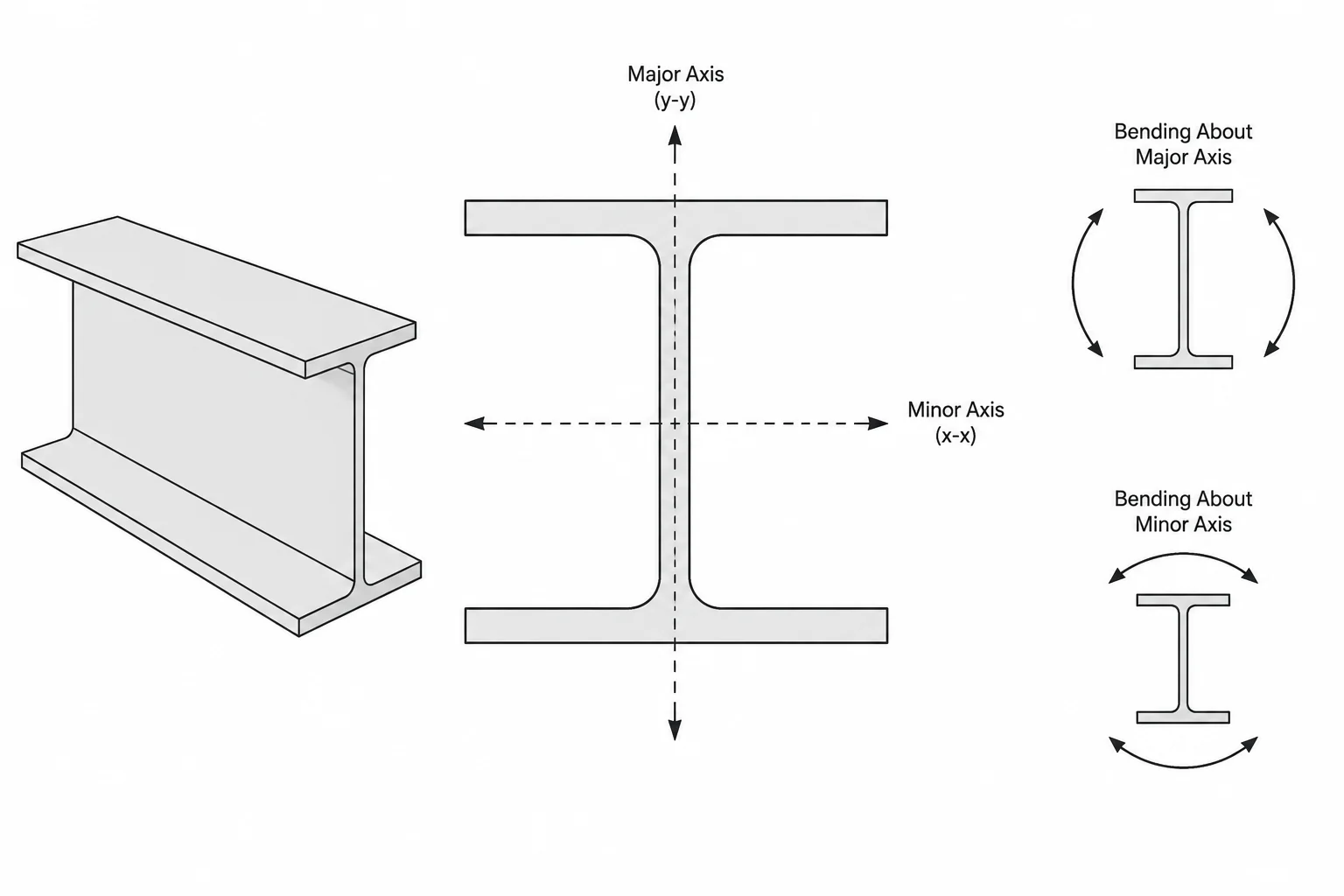
Strong Axis vs. Weak Axis in Structural Steel Sections
Learn how strong-axis and weak-axis bending relate to Ix, Iy, Sx, Sy, orientation, and detailing for W-shapes, channels, angles, tees, and HSS.
Written by