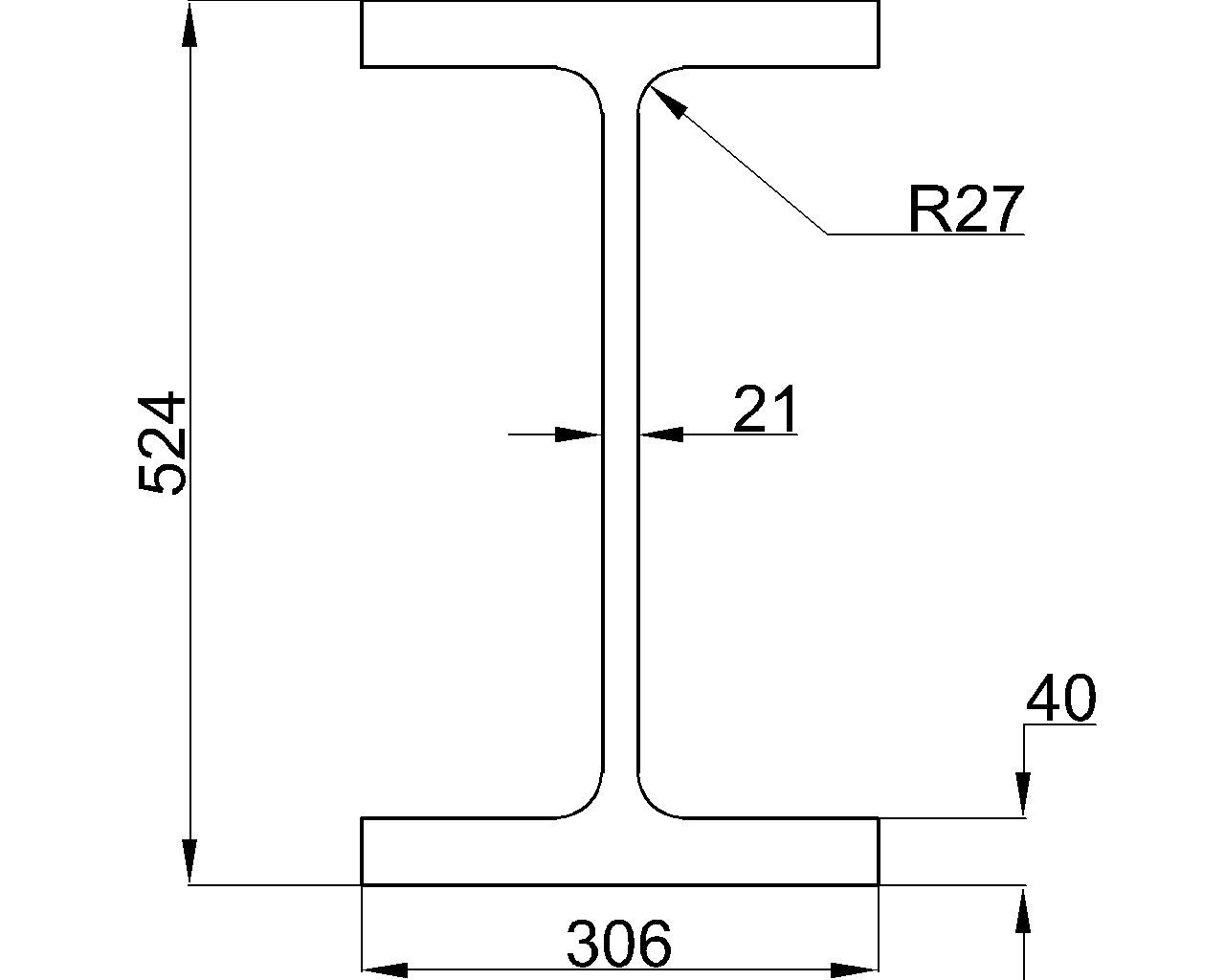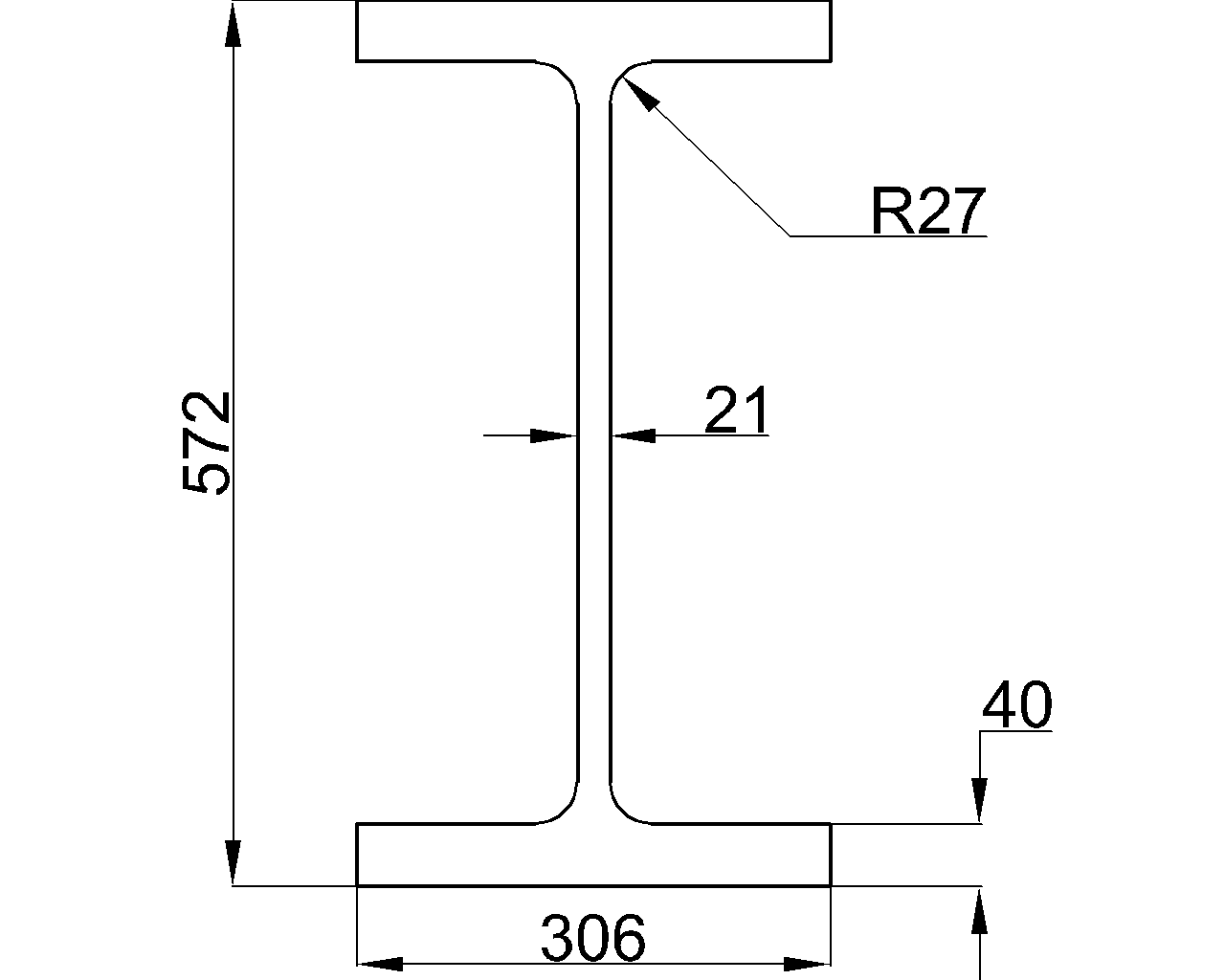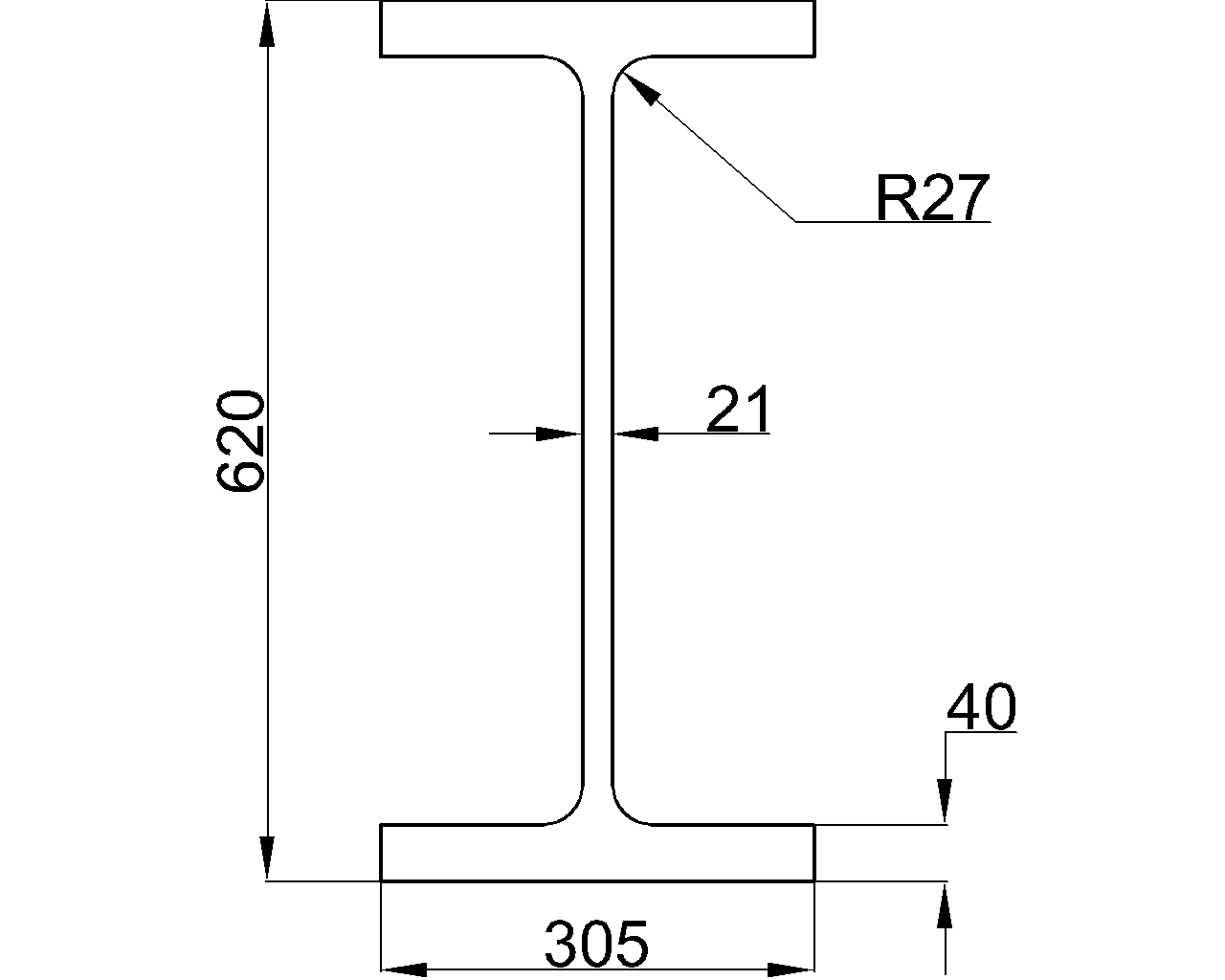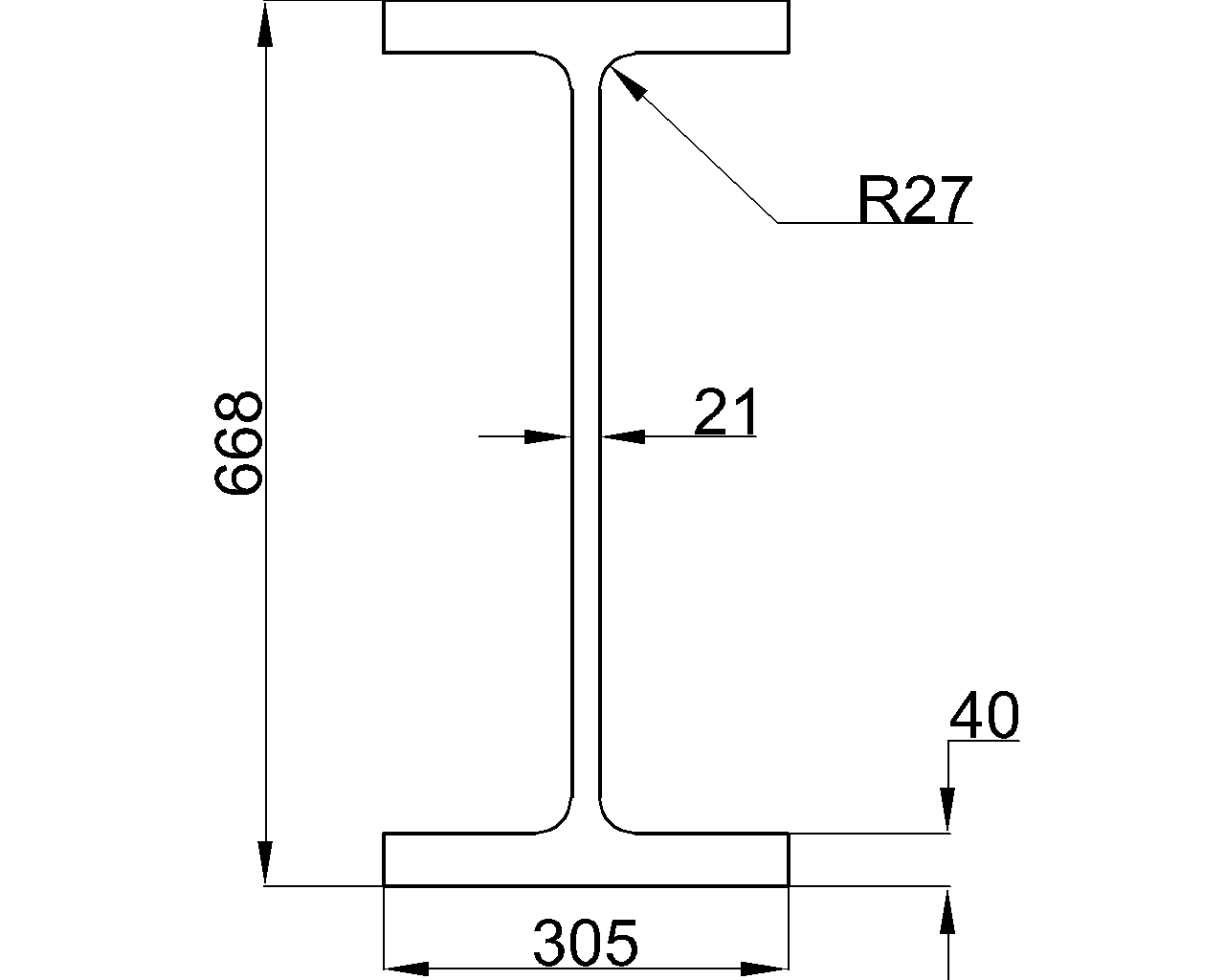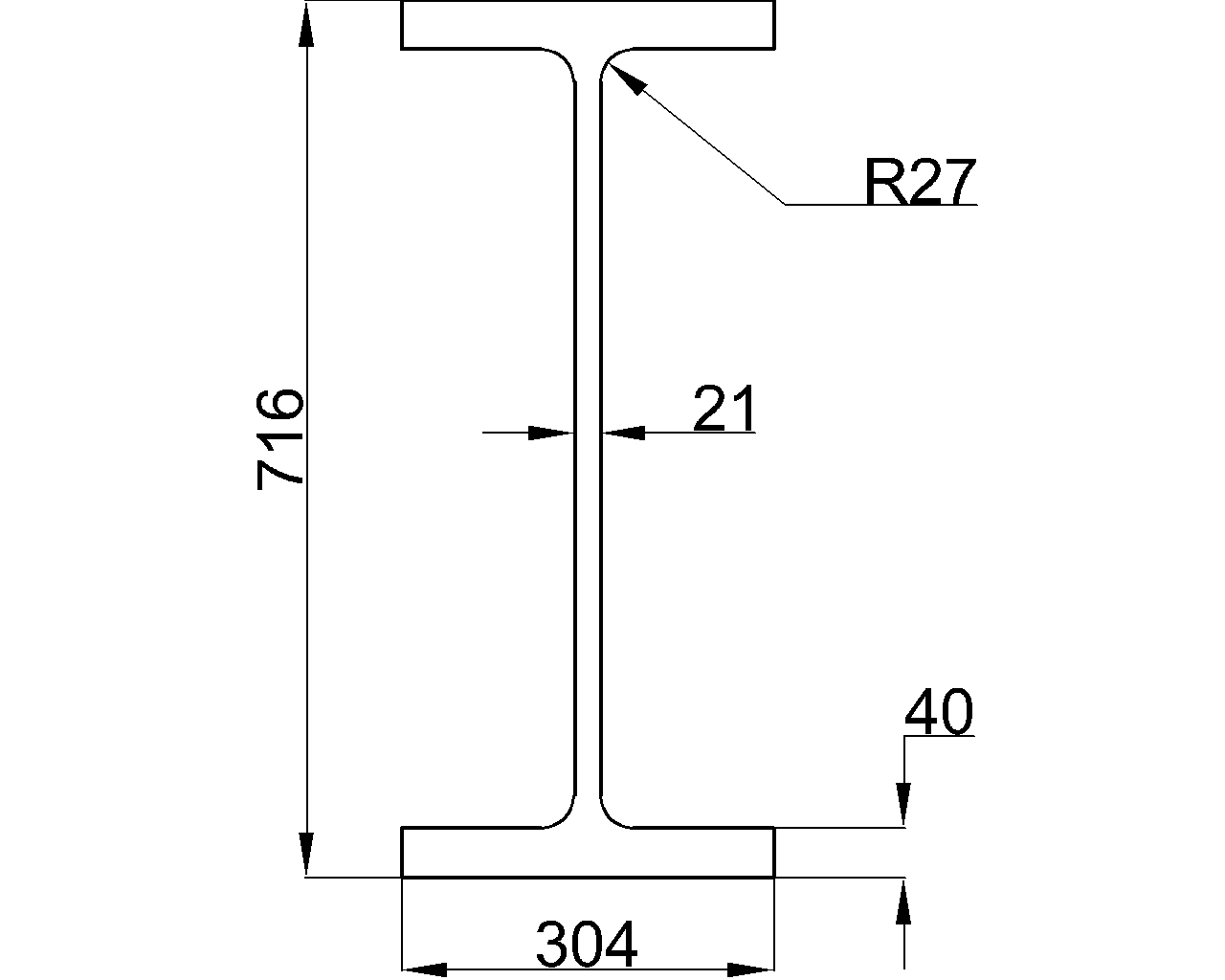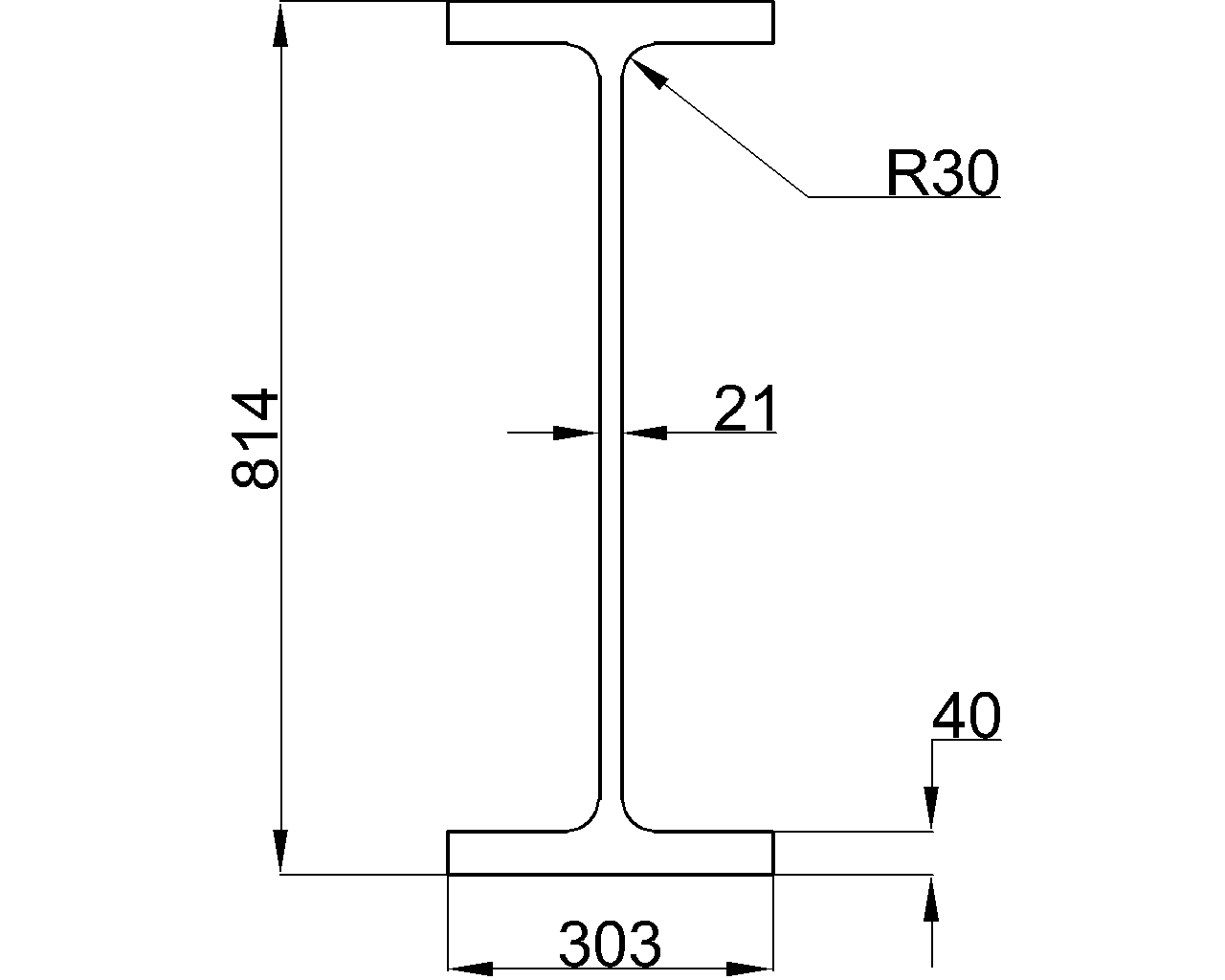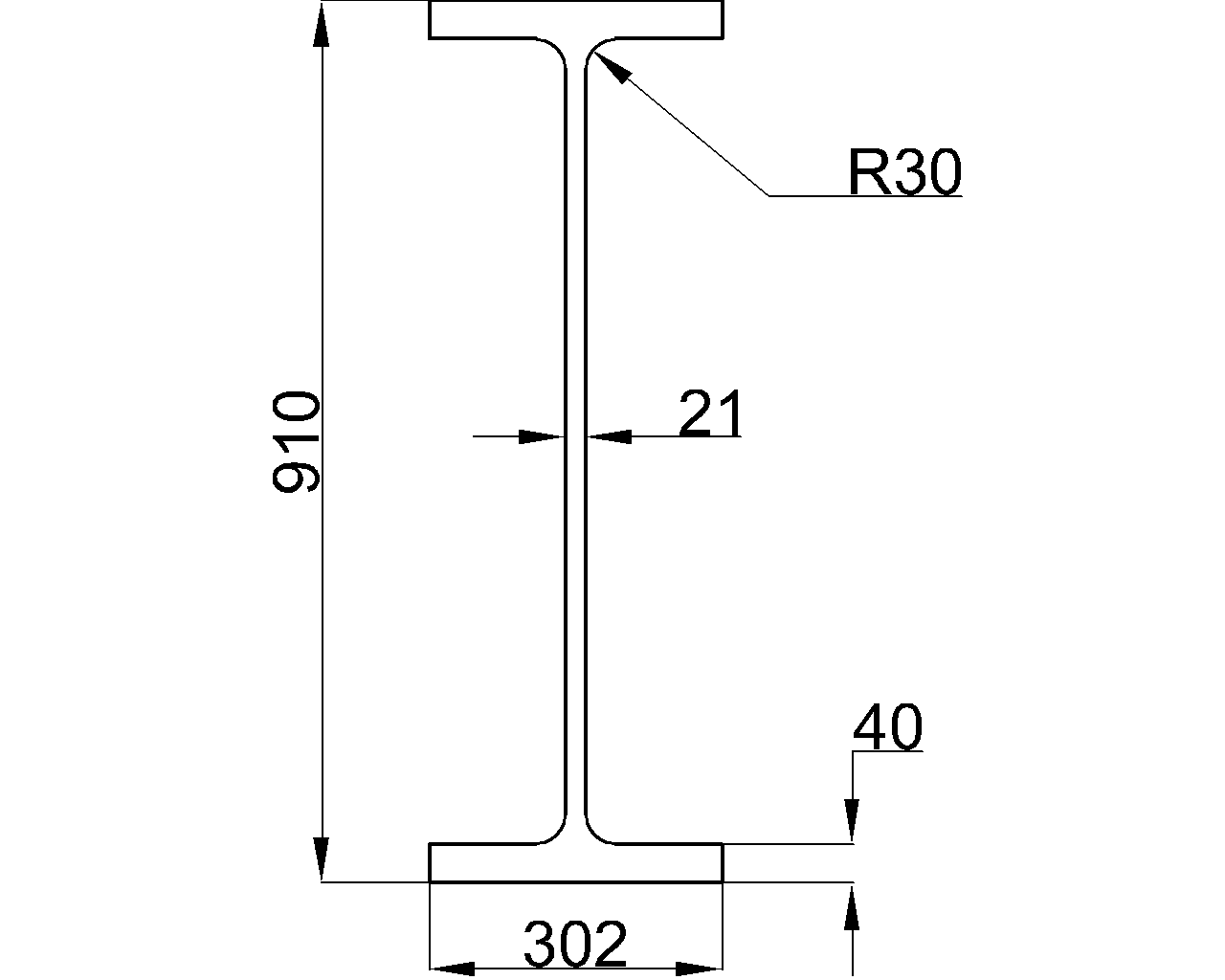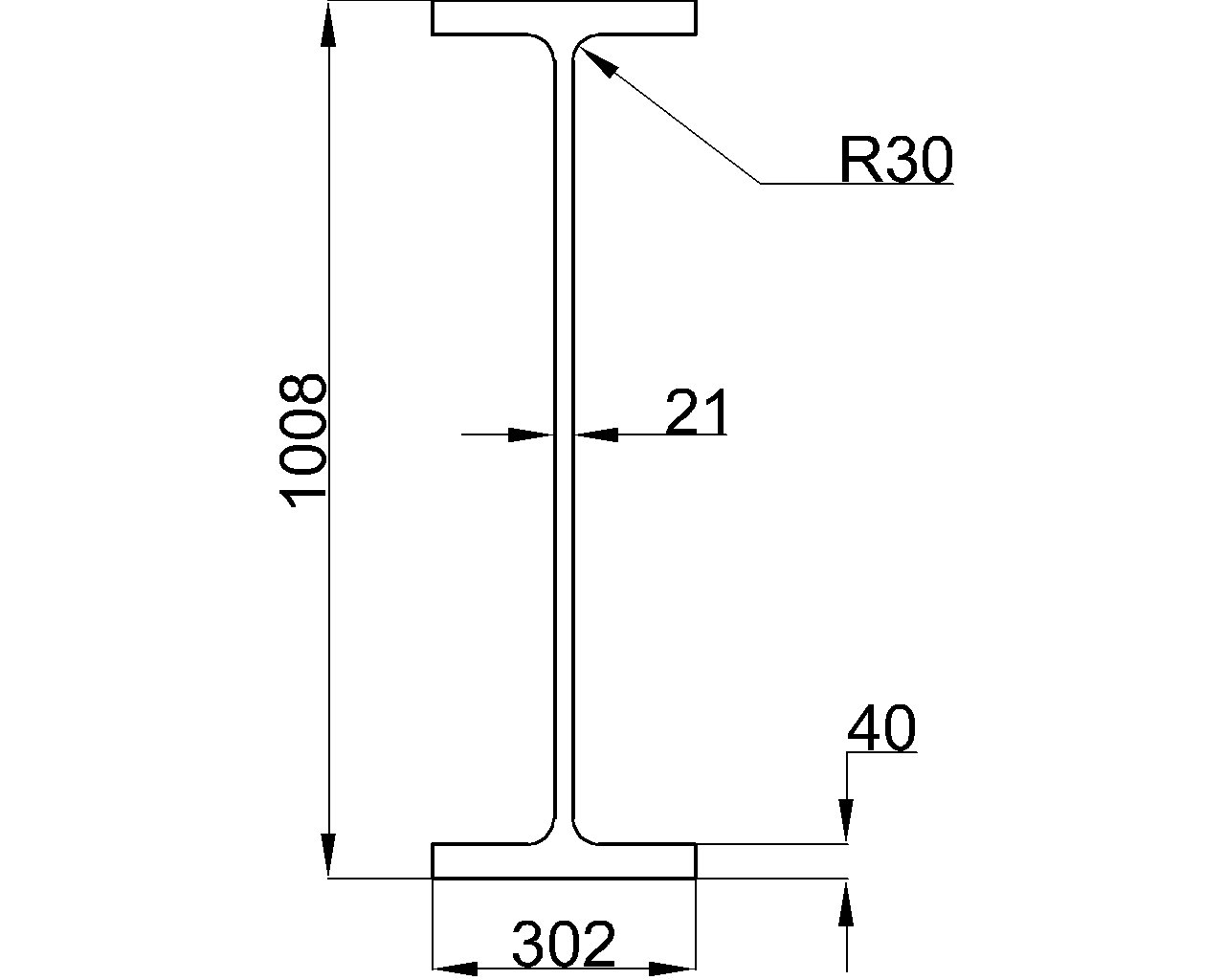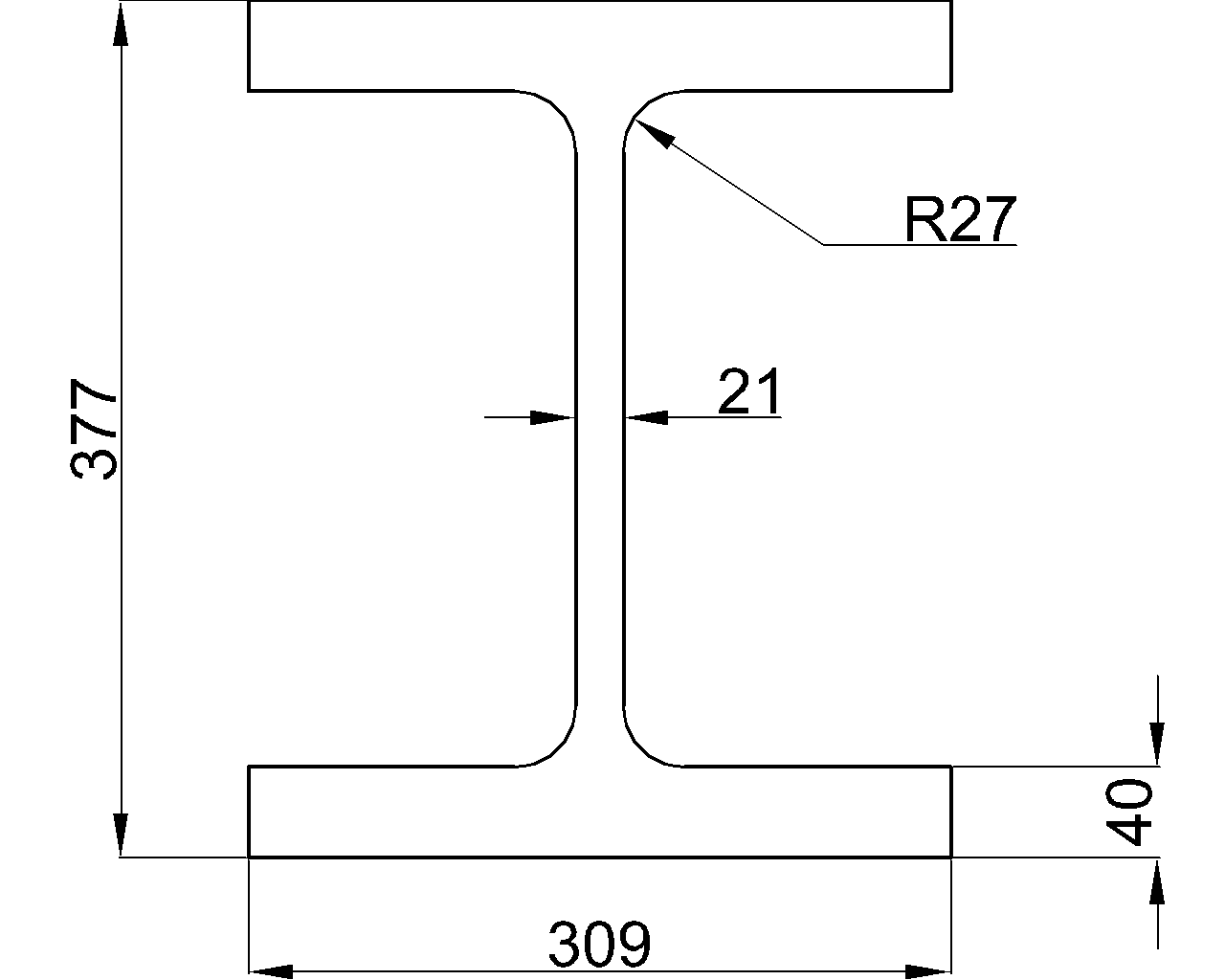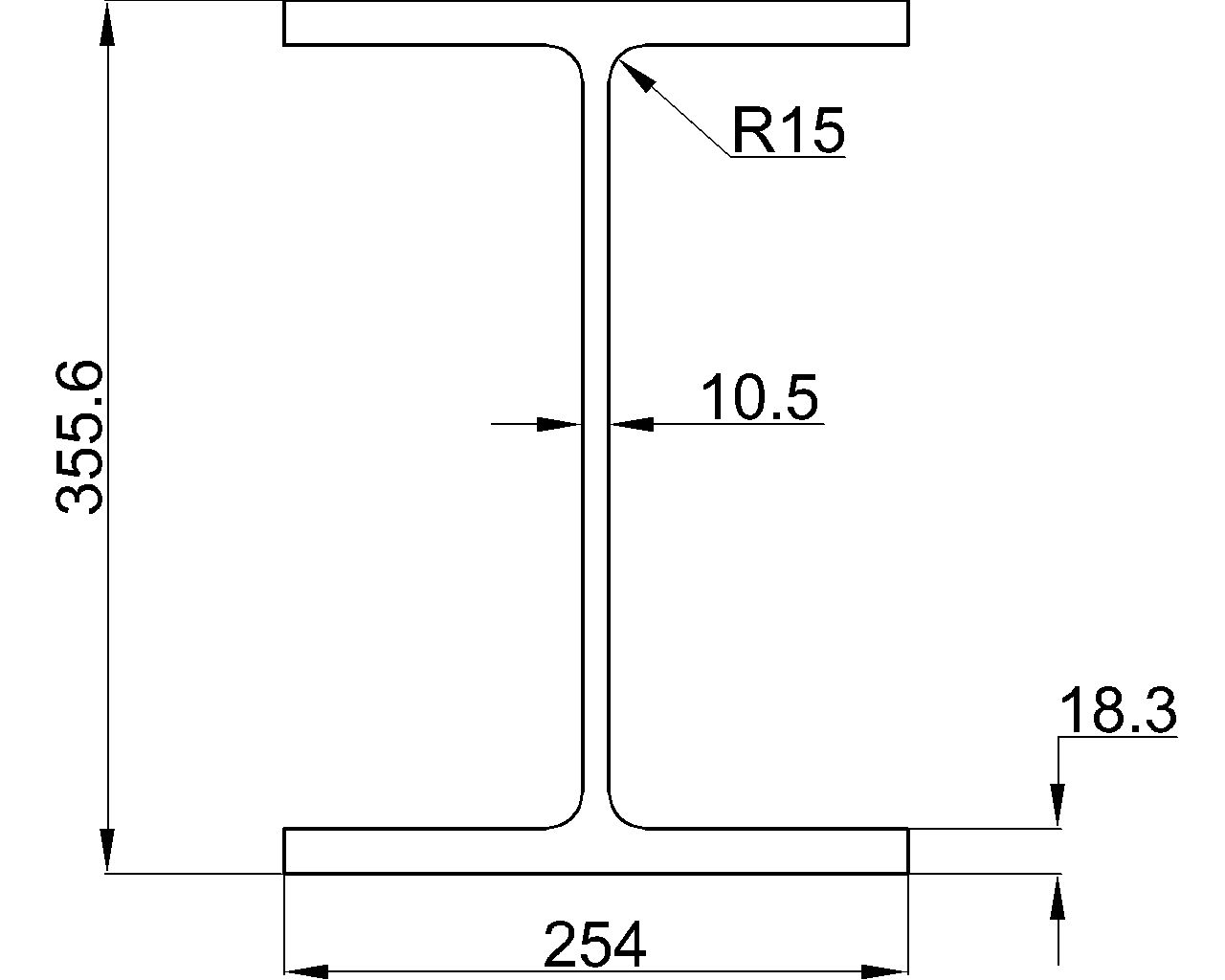
The W14x68 is a wide-flange structural steel shape listed in the W-shape reference series. This page brings together the profile dimensions, thickness information, root fillet radius, sectional area, unit weight, and the associated DWG download.
Use the values below as a reference for steel detailing, preliminary member comparisons, and CAD coordination. Final member selection, connection design, and structural checks require the applicable project criteria and verification by a qualified engineer.
W Beam
refer to : AISC 16
the American Institute of Steel Construction (AISC) Specification for Structural Steel Buildings (AISC 360-16), which is the 2016 edition of the AISC Specification for Structural Steel Buildings. It provides guidelines and requirements for the design, fabrication, and erection of steel structures in the United States.
Depth : 355.6 mm
Width : 254 mm
Web Thickness : 10.5 mm
Flange Thickness : 18.3 mm
Root Fillet Radius : 15 mm
Sectional Area : 129.03 cm2
Unit Weight : 101.3 kg/m
How to read the W14x68 listing
The profile data describes the shape’s overall envelope and its principal material regions. Depth and width describe the overall geometry, while web thickness and flange thickness identify the thicknesses of the central web and projecting flanges.
The root fillet radius represents the curved transition between the web and flange. This detail matters when checking clearances, modeling the rolled shape, or developing connection and fabrication details. A nominal rectangular approximation may not represent the actual rolled profile at this transition.
Reference and drafting use
The listing refers to the AISC Specification for Structural Steel Buildings, identified in the source as AISC 360-16. Consult the applicable AISC shape data and project requirements when confirming section properties, material assumptions, design resistance, and detailing limits.
The supplied DWG can support layout and drafting workflows. Before using it for fabrication or final coordination, check the drawing units, scale, layer conventions, and the profile orientation against the project model. Related reference topics include W-shapes, steel section properties, wide-flange terminology, and steel connection detailing.
What the listed properties do—and do not—tell you
- The sectional area and unit weight support material takeoff and member-reference tasks.
- The dimensional fields help establish fit, orientation, and clearance conditions.
- The listing alone does not provide every property needed for bending, shear, buckling, deflection, or connection design.
- Design decisions should use the complete applicable shape data together with loads, restraints, material specifications, connection assumptions, and governing project requirements.
W14x68 frequently asked questions
What type of section is the W14x68?
It is a W-shape, commonly described as a wide-flange structural steel section. The source listing provides its overall dimensions, thicknesses, root fillet radius, sectional area, and unit weight.
Why is the root fillet radius important?
The radius identifies the curved web-to-flange transition in the rolled section. It can affect fit-up, clearance checks, connection detailing, and the accuracy of a CAD representation.
Can the DWG be used directly for fabrication?
The DWG is a drafting reference and should be checked for units, scale, orientation, and project-layer requirements before coordination or fabrication use. Fabrication documents should be reviewed against the governing design and detailing requirements.
Does the listed unit weight replace structural design checks?
No. It can assist with material takeoffs and weight estimates, but it does not replace checks for strength, stability, serviceability, or connection behavior.
Which reference is associated with this profile?
The source identifies AISC 360-16, the AISC Specification for Structural Steel Buildings. Confirm the applicable project edition and design requirements before relying on the profile for engineering work.