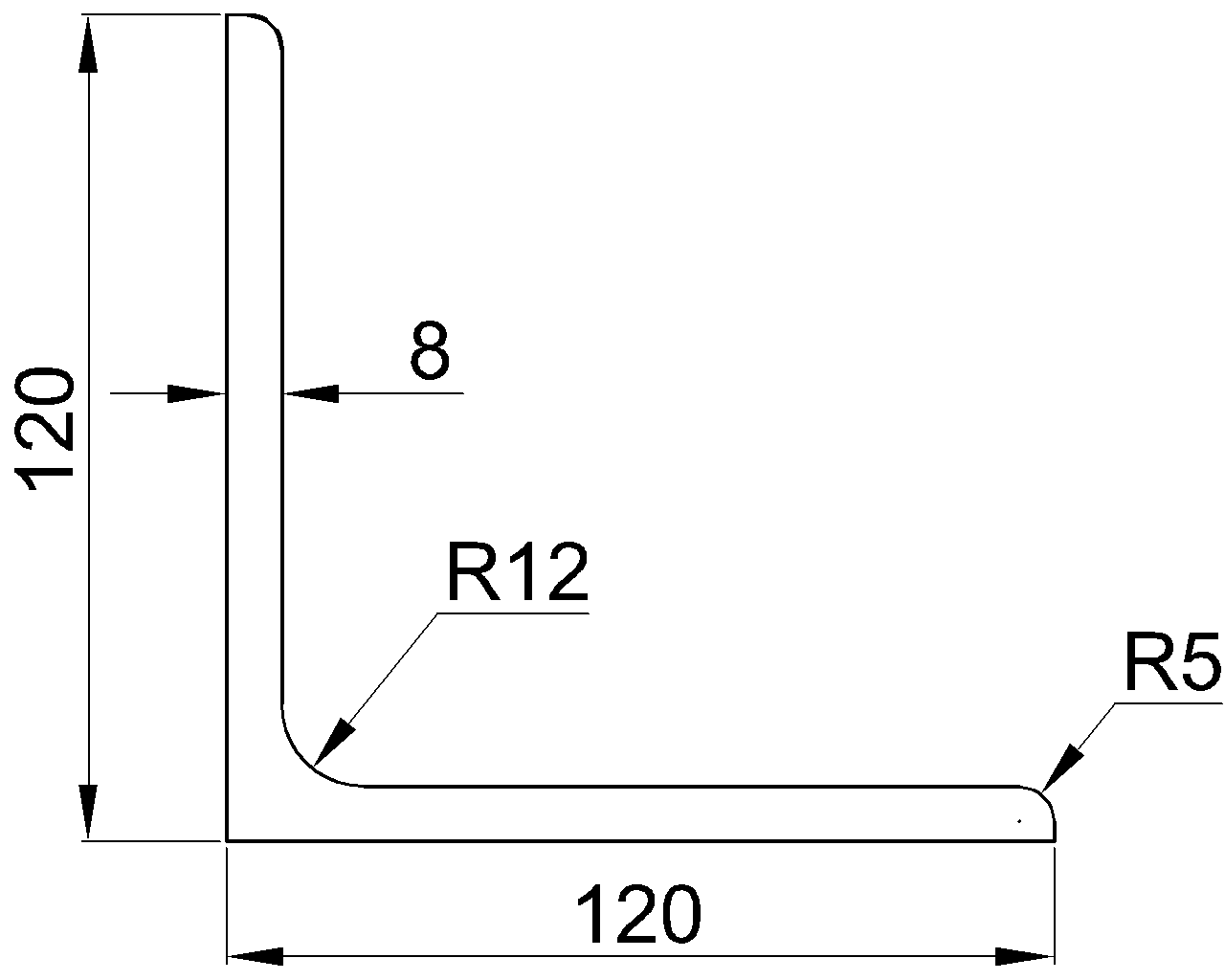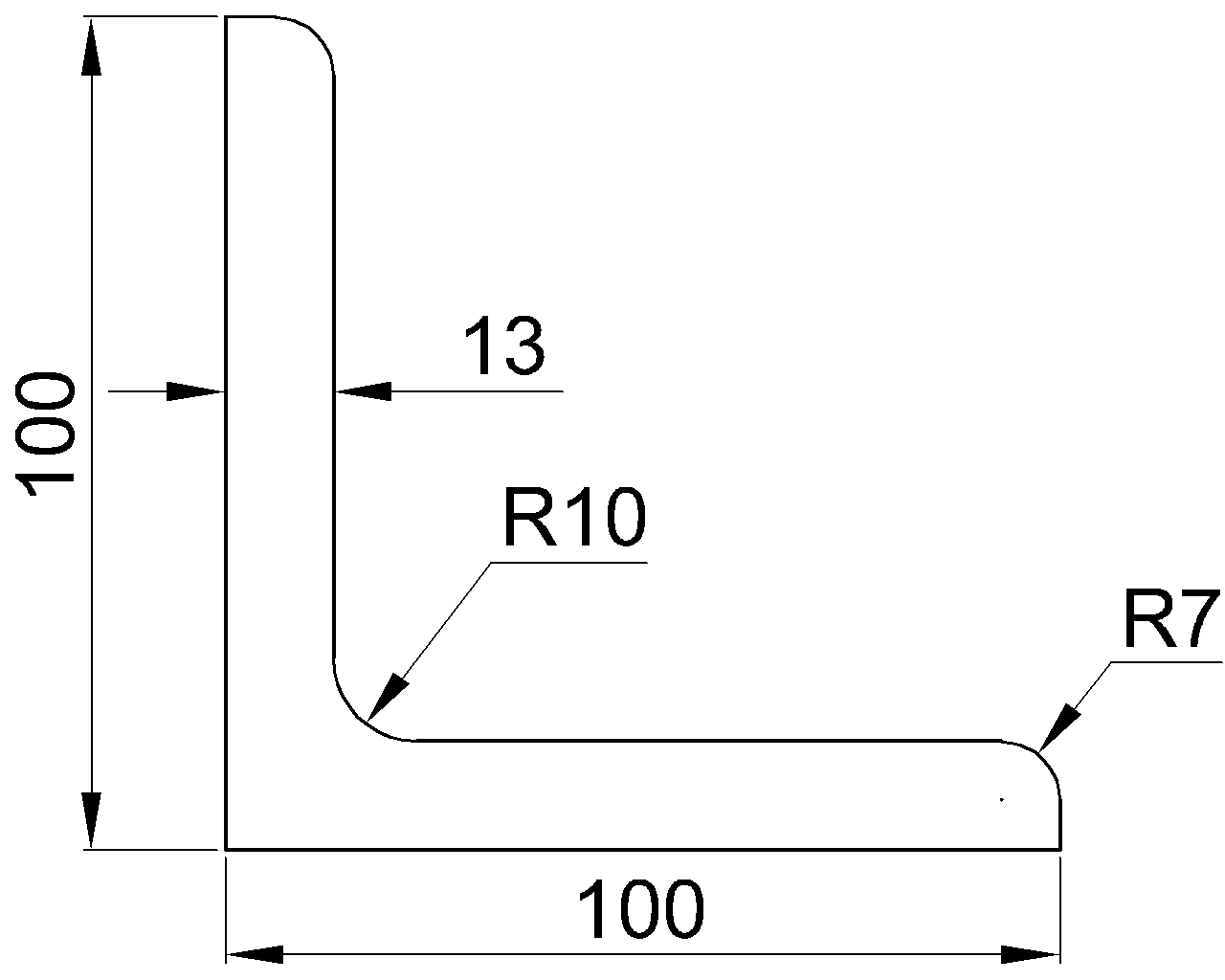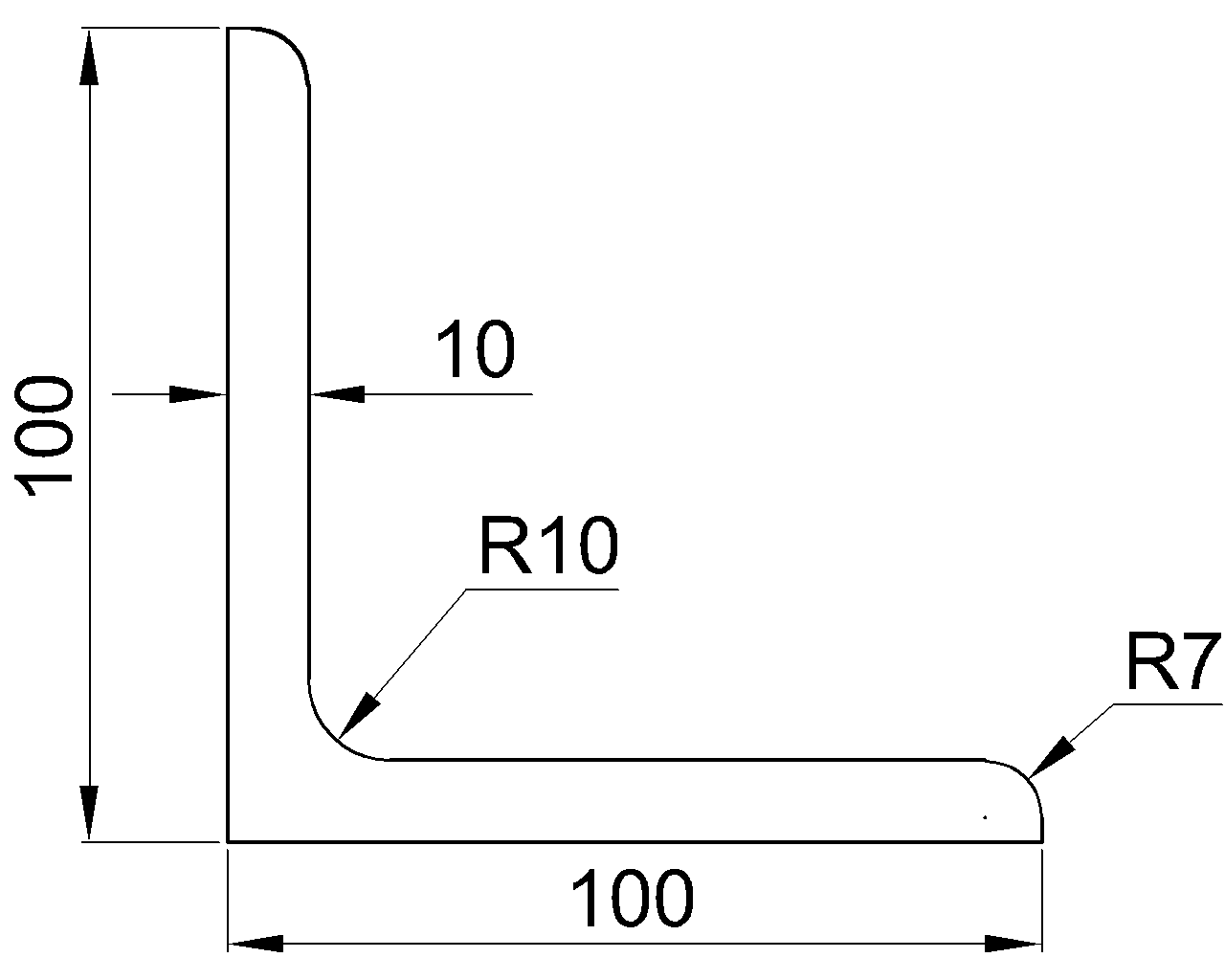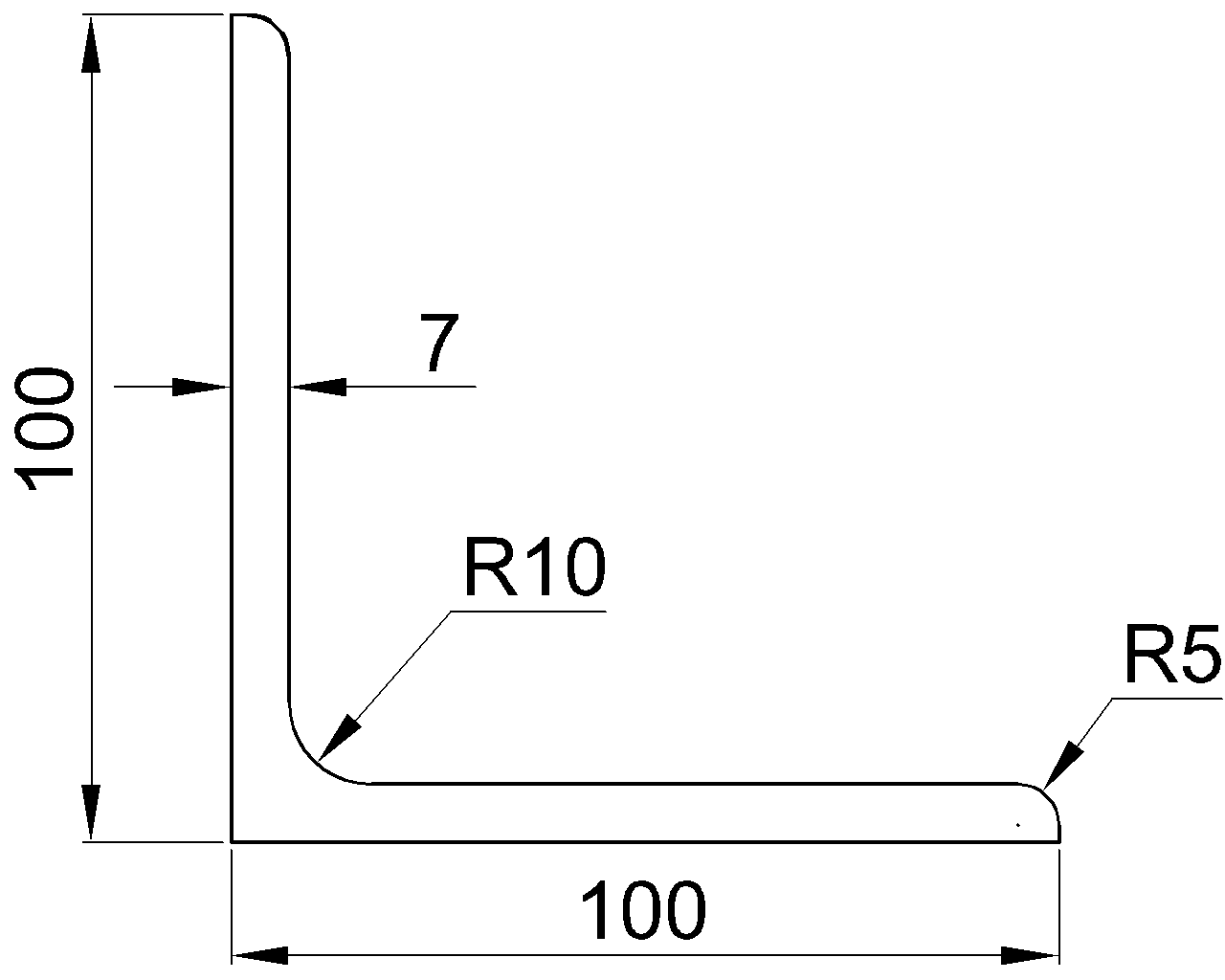
The UB 533x165x74 is a Universal Beam reference entry for engineers, detailers, fabricators, and students working with European structural steel sections. The source data below identifies the governing standard reference, profile dimensions, sectional area, and unit weight.
Use this page alongside related references on Universal Beams, steel section properties, and EN 10365 when checking drawings, comparing section designations, or preparing structural steel documentation. The listed values are the controlling local reference data for this entry.
UB 533x165x74
Universal Beams
refer to : EN 10365:2017
a European standard that defines the dimensions, tolerances, and sectional properties for hot-rolled steel channels, I-beams, and H-beams used in construction and engineering. It ensures uniformity and compatibility across European structural steel products.
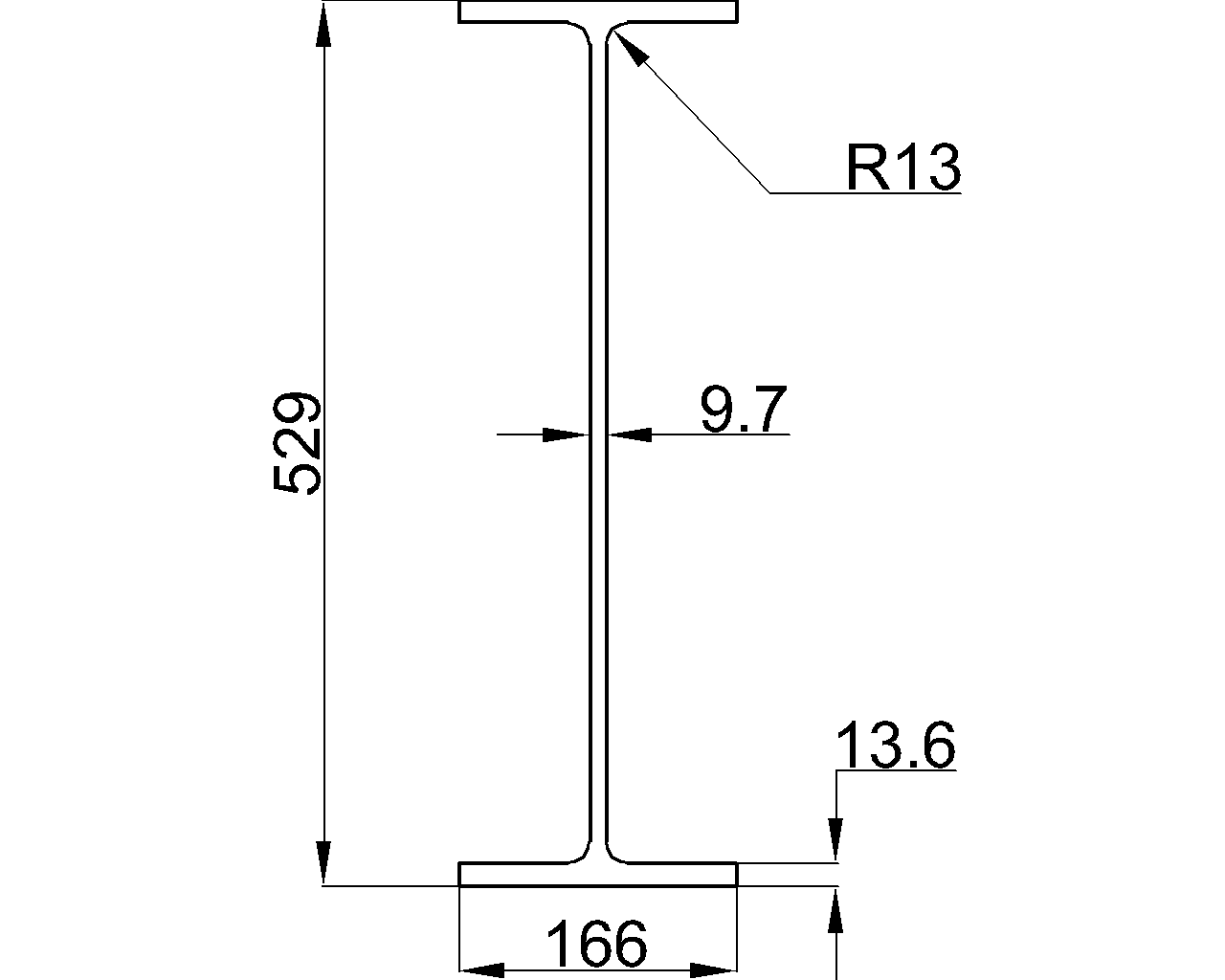
Dimension : 529x166x9.7×13.6
Depth : 529 mm
Width : 166 mm
Web Thickness : 9.7 mm
Flange Thickness : 13.6 mm
Root Fillet Radius : 13 mm
Sectional Area : 95.3 cm2
Unit Weight : 74.8 kg/m
Understanding the UB 533x165x74 designation
“UB” identifies the section family as a Universal Beam. The designation shown in the page title is a standardized section name, while the dimensional fields provide the geometry needed for identification and checking. Do not infer fabrication dimensions from the title alone; use the listed depth, width, web thickness, flange thickness, and root fillet radius.
How to read the section data
- Depth and width: describe the overall envelope of the rolled section.
- Web thickness: describes the thickness of the central vertical web.
- Flange thickness: describes the thickness of each projecting flange.
- Root fillet radius: identifies the curved transition between the web and flange and is important when considering detailing or fit-up.
- Sectional area: represents the steel area in a transverse cut through the member and is used with other section properties in engineering calculations.
- Unit weight: expresses the listed mass on a per-length basis; total member mass depends on the member length and any added components.
Using the reference in design and drafting
For design review, compare the section designation and dimensions with the project material schedule, connection details, and governing design requirements. The profile data alone does not establish resistance, deflection performance, connection capacity, or suitability for a particular structural application.
The downloadable DWG can support drafting and coordination workflows. Check drawing units, layer conventions, software compatibility, and the source geometry before incorporating the file into fabrication or issued-for-construction documentation. Related pages on steel connections, structural detailing, and CAD/DWG resources can provide useful workflow context.
Frequently asked questions
What does UB mean?
UB means Universal Beam, a family of rolled structural steel sections with a web and flanges. This entry identifies one specific UB designation and provides its controlling dimensions.
Which standard is referenced for this section?
The source entry refers to EN 10365:2017, which is presented as the reference for dimensions, tolerances, and sectional properties of hot-rolled steel sections covered by that standard.
What is the difference between unit weight and total member weight?
Unit weight is expressed per unit length. The total mass of a member depends on its length and may also include plates, fittings, connection materials, coatings, or other attached items.
Can the listed dimensions be used to approve a structural design?
No. The dimensions identify the section and support drafting or checking activities, but design approval requires the applicable loads, material information, section properties, stability checks, connection design, and professional engineering review.
What is the DWG file used for?
The DWG is a drawing resource for CAD coordination and detailing. Review its geometry and units against the authoritative section data before using it in project documentation.