Tag: steel channels
-
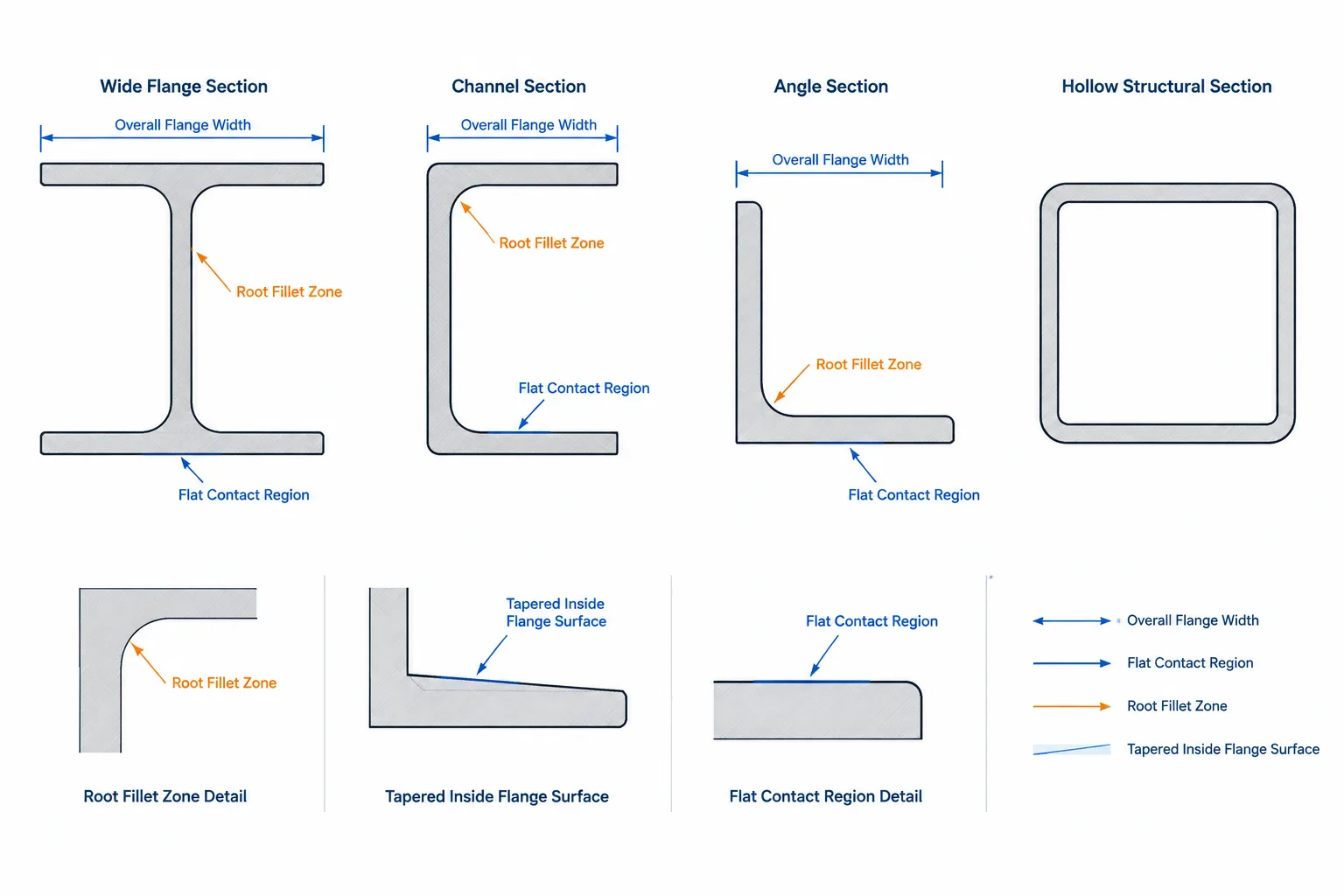
Usable Flat Width on Rolled Steel Flanges: Fillets, Tapers, and Connection Fit
Learn why flange width is not the same as usable flat width, and how fillets, tapered surfaces, washers, plates, and CAD geometry affect steel connection fit.
Written by
-
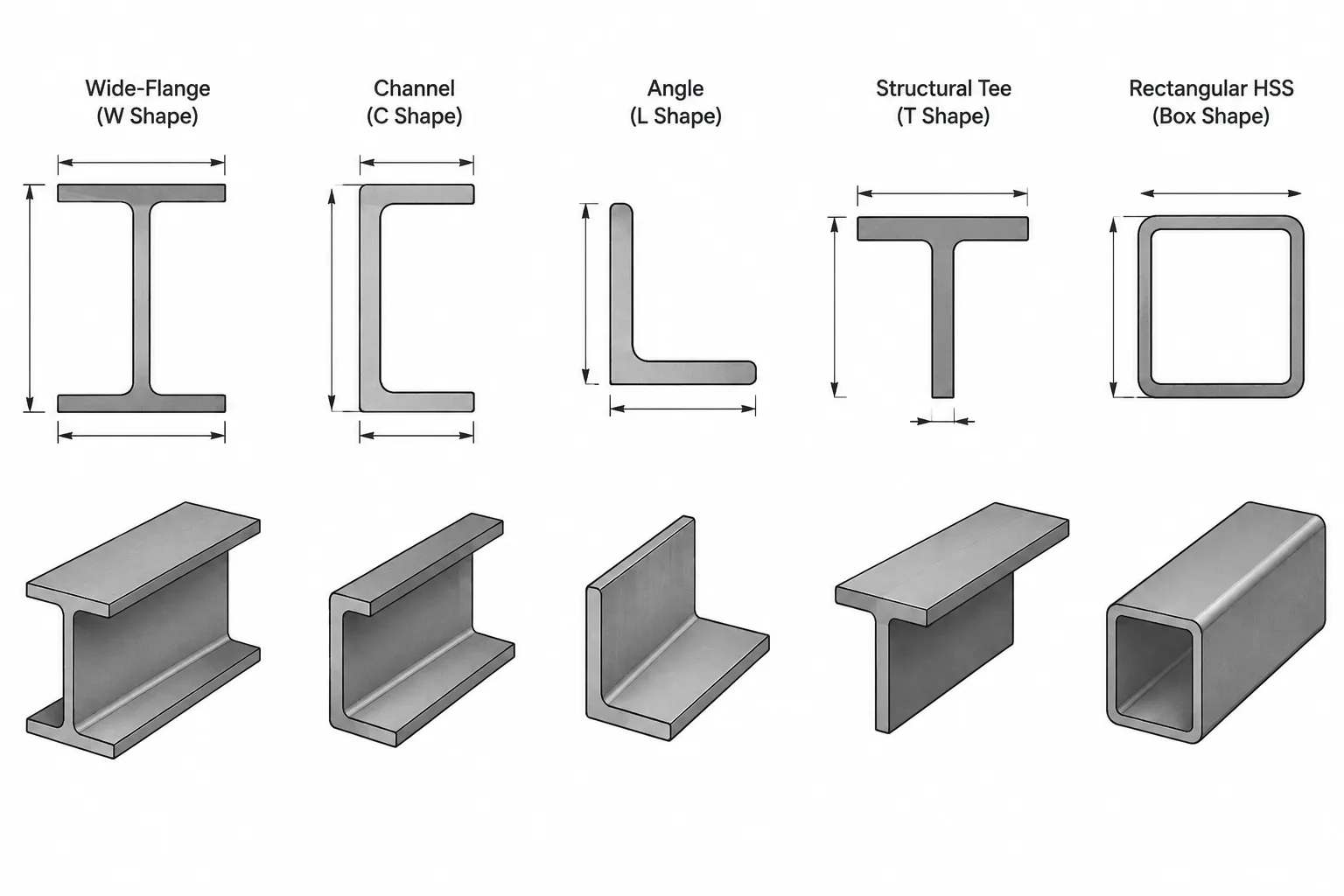
Steel Shape Designations vs. Tabulated Dimensions: What the Shape Name Does Not Tell You
Learn how W-shape, channel, angle, tee, HP, and HSS designations differ from tabulated dimensions, and which values should control CAD and detailing.
Written by
-
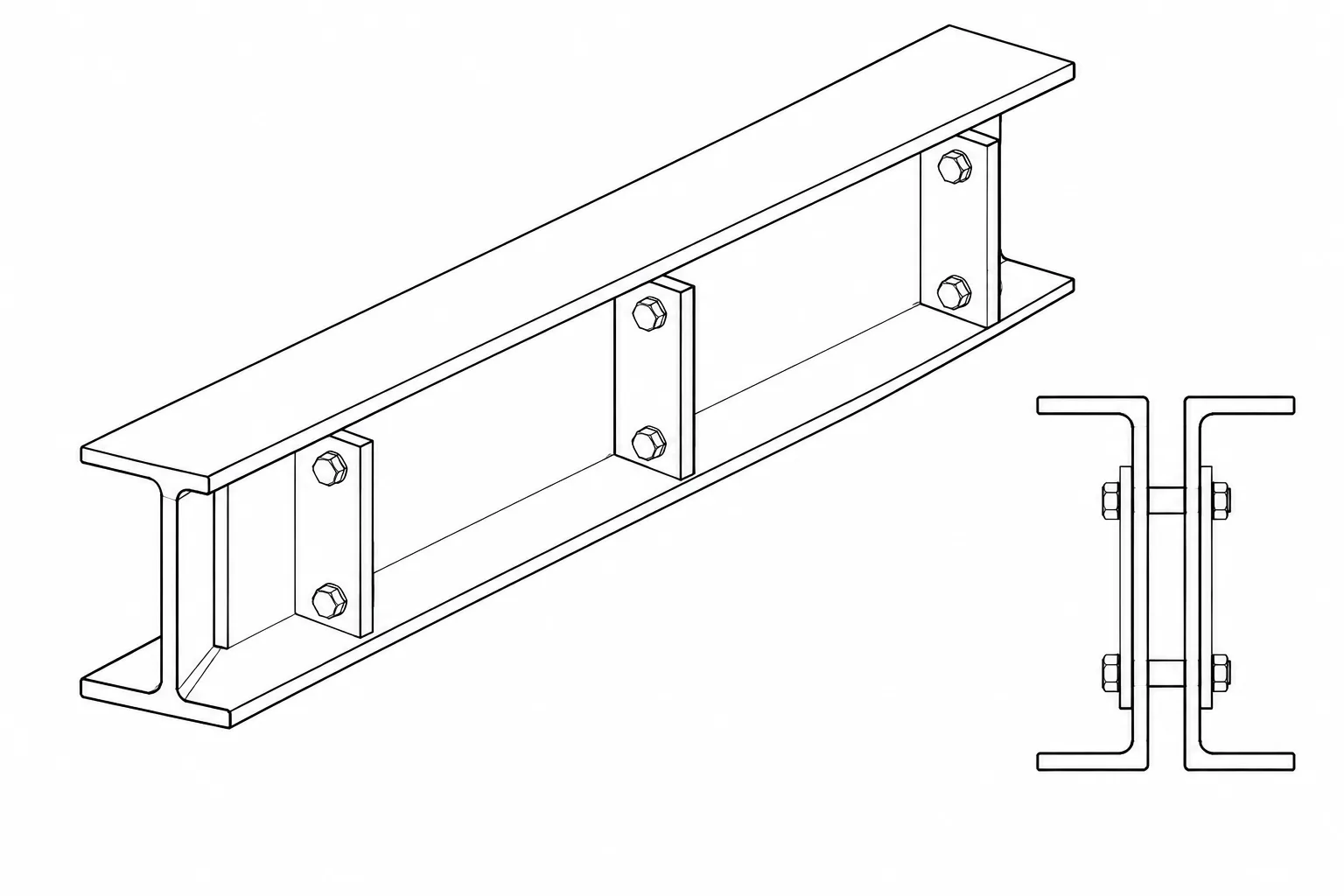
Back-to-Back Steel Channels: Spacing, Built-Up Properties, and Detailing Datums
Learn how back-to-back steel channels are oriented, spaced, modeled, dimensioned, and checked as built-up structural members.
Written by
-
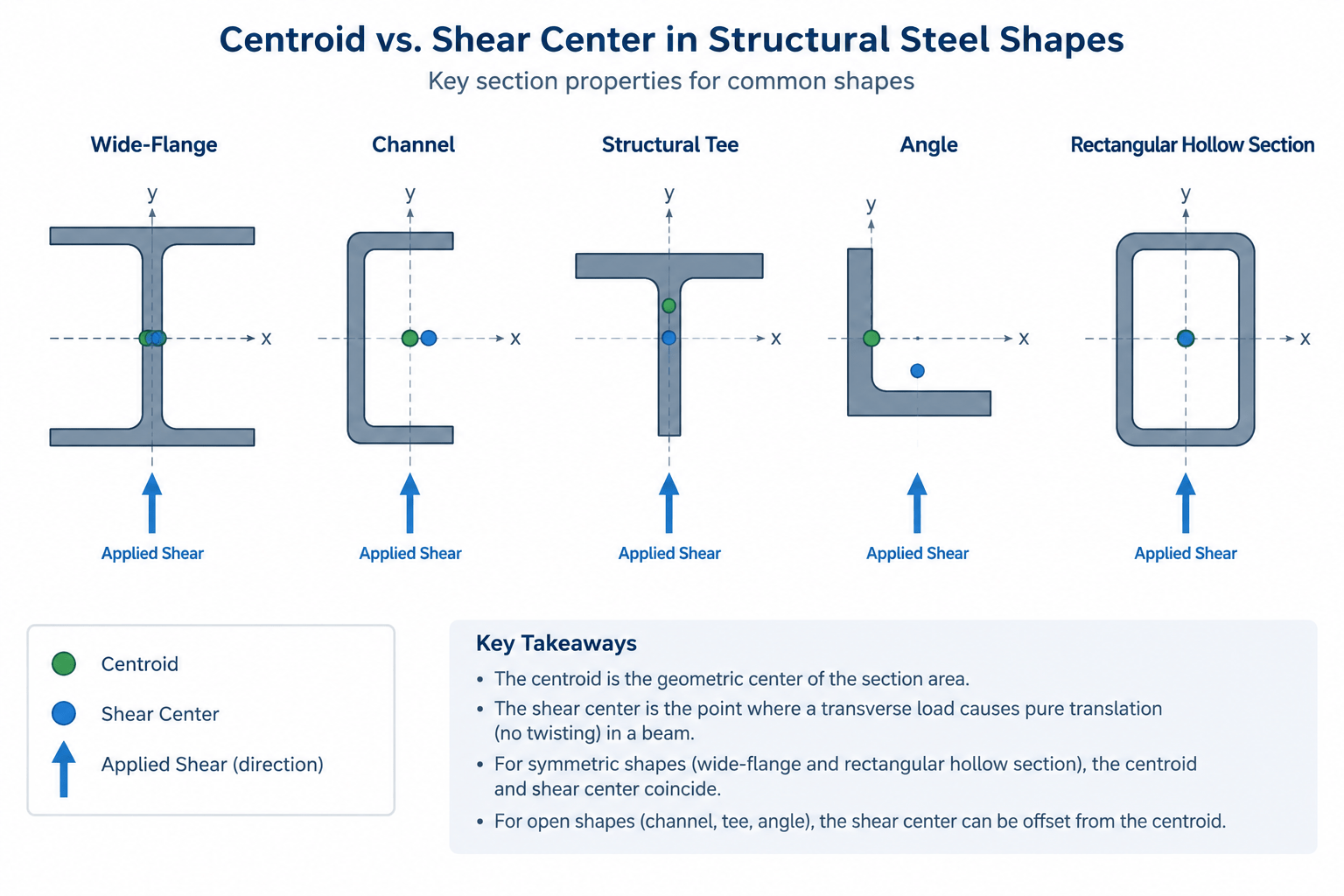
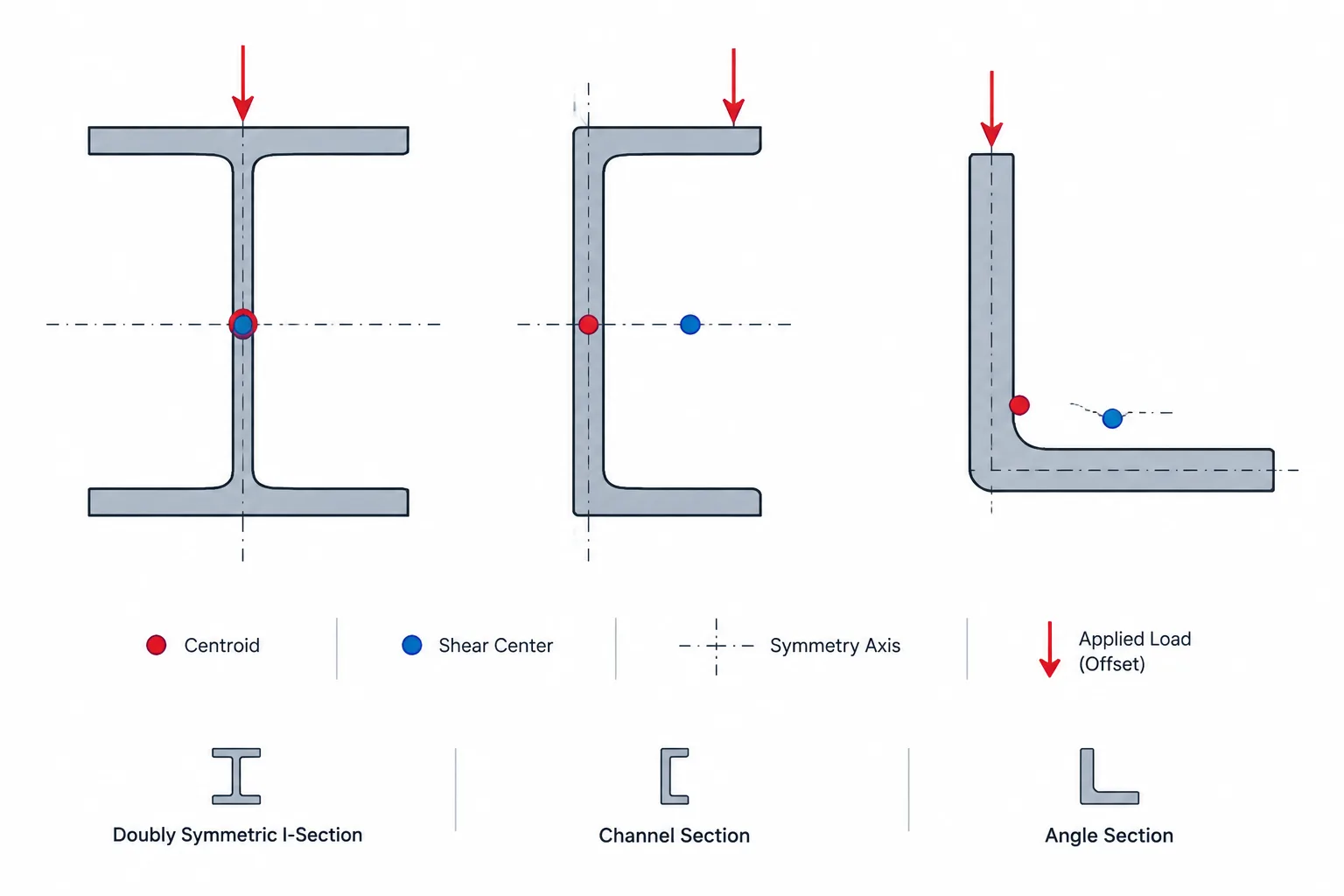
Shear Center vs. Centroid in Structural Steel Sections: Why Load Location Can Cause Twist
Learn how the shear center differs from the centroid in W-shapes, channels, angles, tees, and HSS, and why the distinction matters for loading, torsion, CAD modeling, and steel detailing.
Written by
-
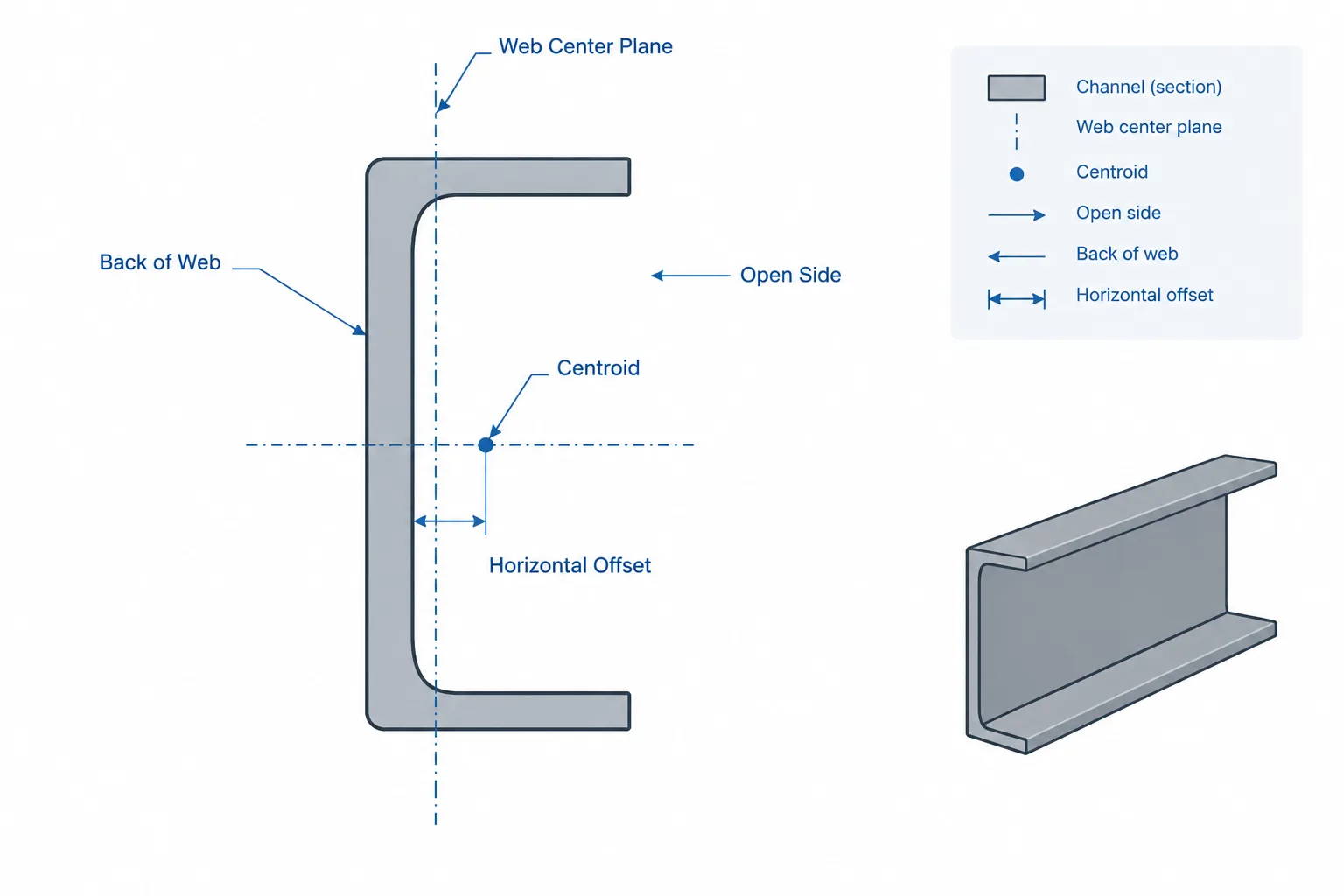
Steel Channel Centroid Offset: Web Backs, Member Centerlines, and CAD Placement
Learn why a steel channel centroid is offset from the web back, how reference lines affect CAD placement, and what to check in connections and built-up members.
Written by
-
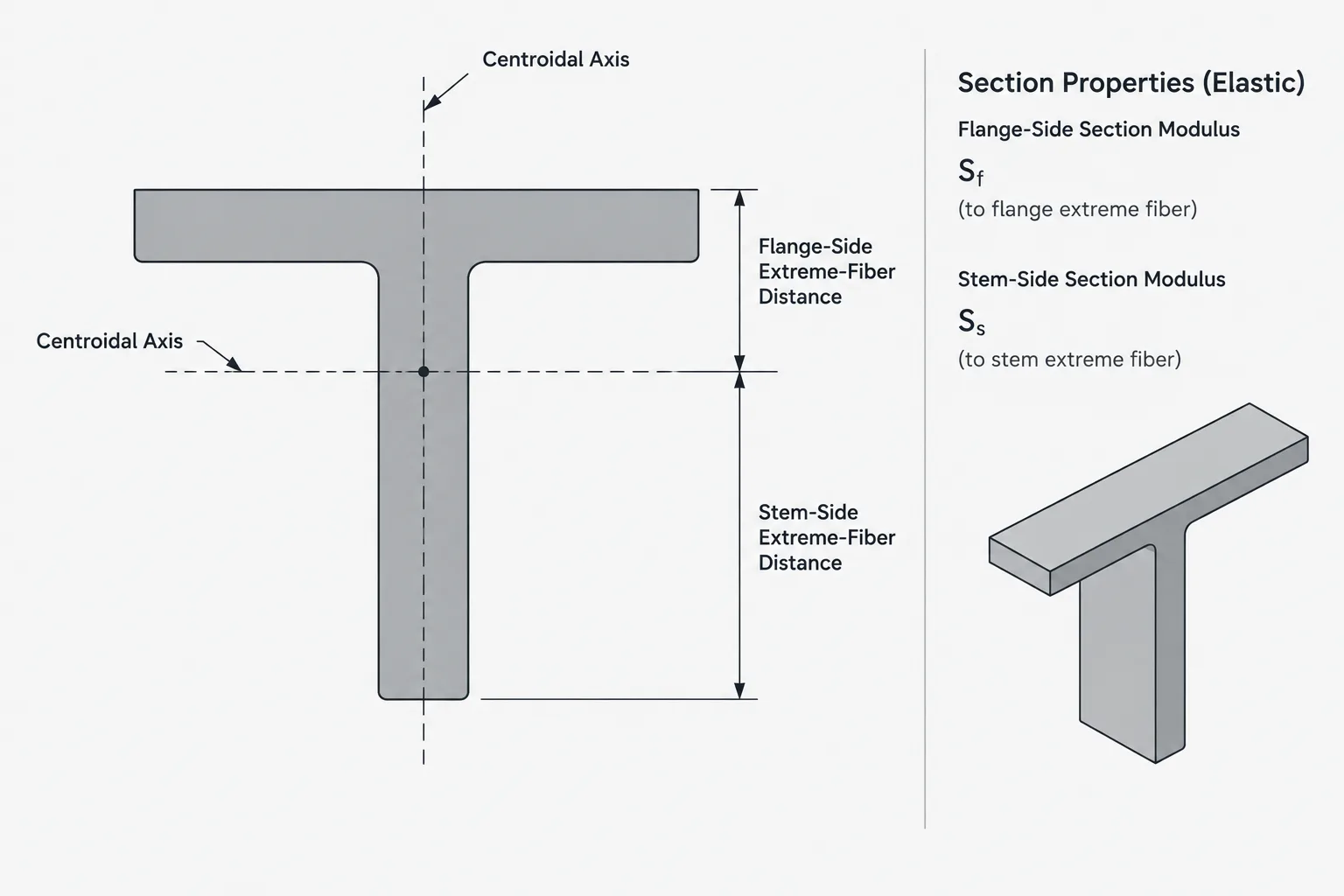
Elastic Section Modulus for Unsymmetric Steel Shapes: Why Each Side Can Have a Different S
Learn why channels, tees, and angles can have different elastic section moduli on opposite sides of an axis and how to verify them in shape tables and CAD.
Written by
-
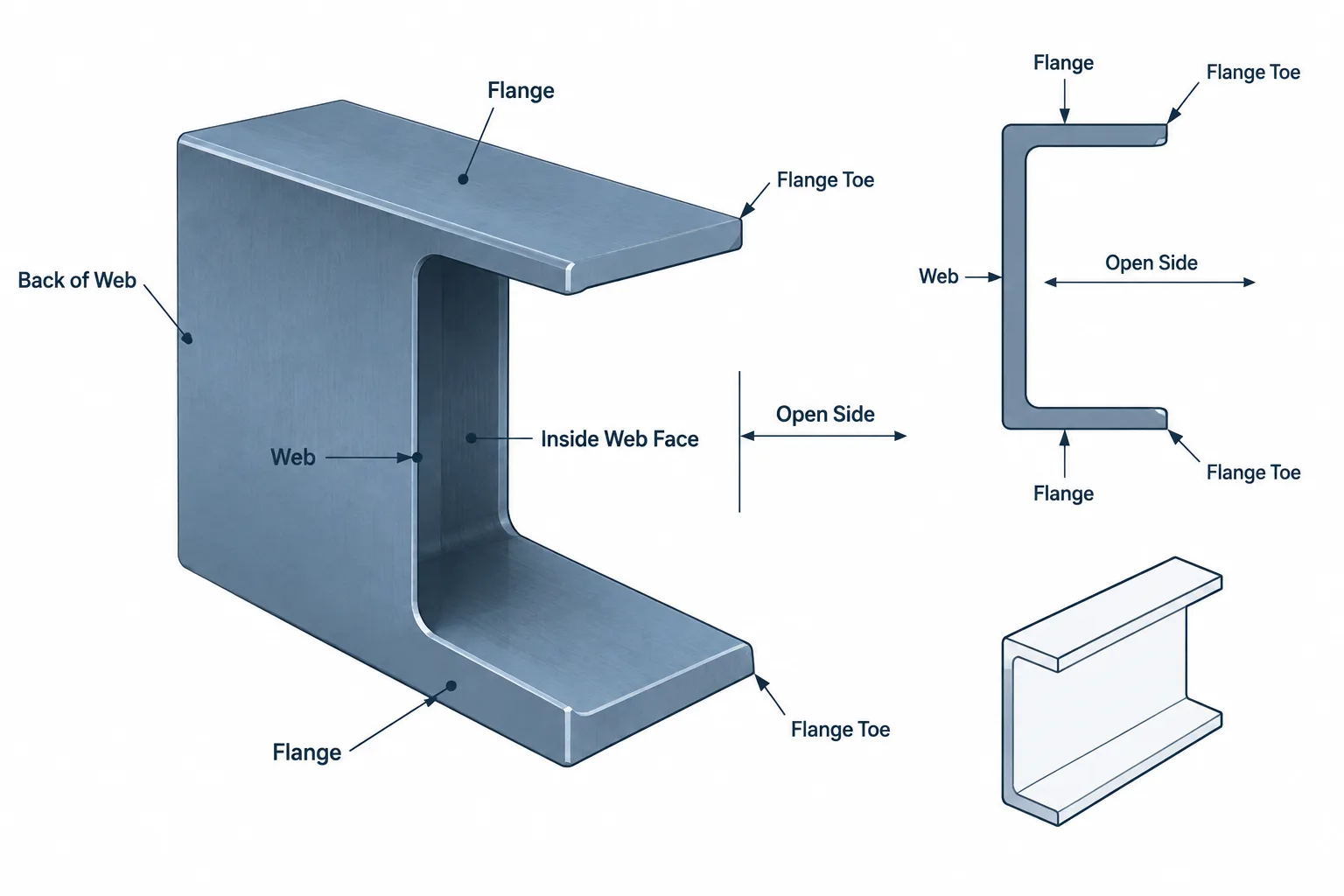
Steel Channel Orientation: Web Back, Flange Toes, Open Side, and Drawing References
Learn how to identify and document steel channel orientation using the web back, flange toes, open side, work lines, section views, and CAD references.
Written by
-
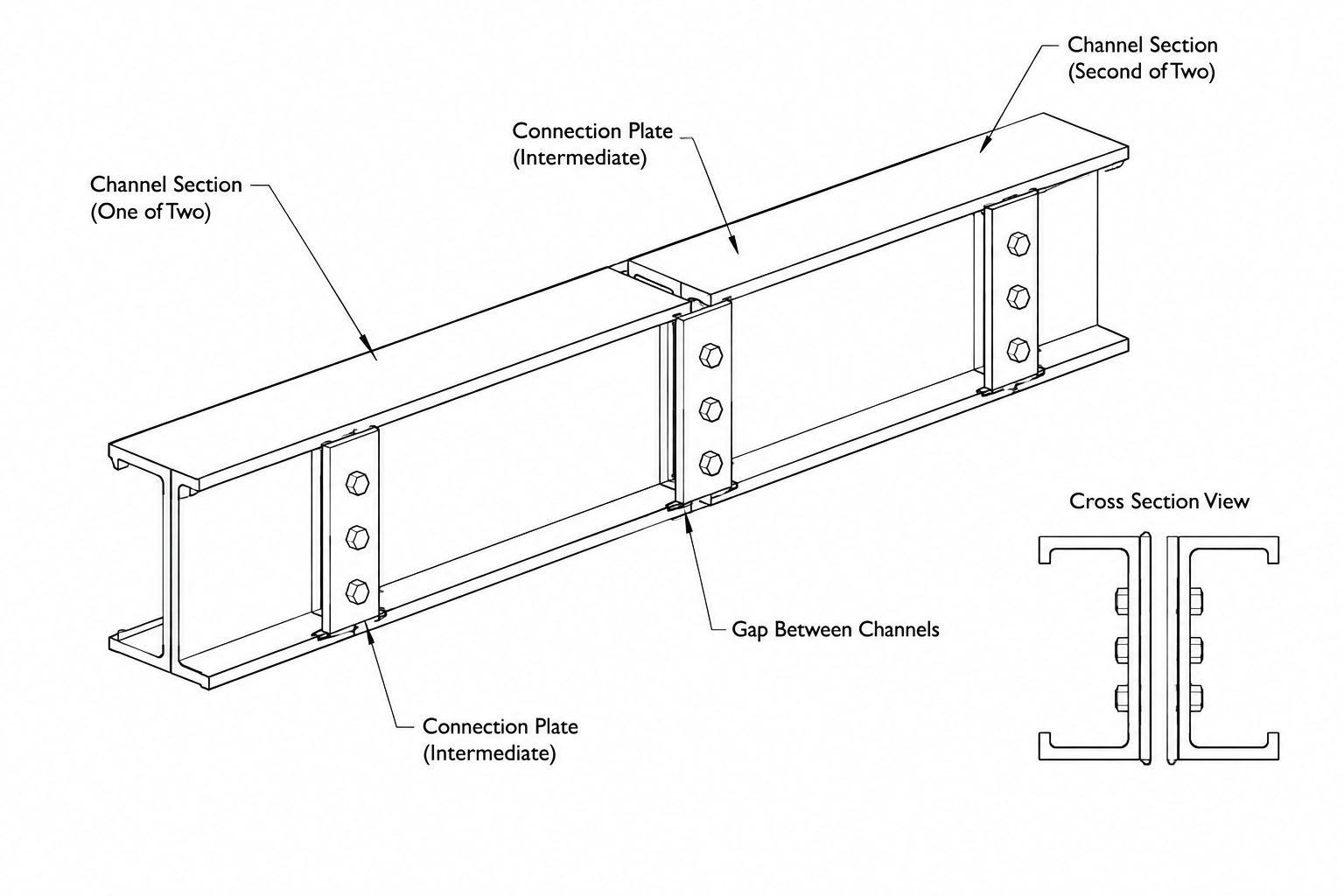
Back-to-Back Steel Channels and Angles: Orientation, Spacing, and Detailing
Learn how to detail back-to-back steel channels and angles, including orientation, spacing, built-up behavior, section properties, and CAD drawing practice.
Written by
-
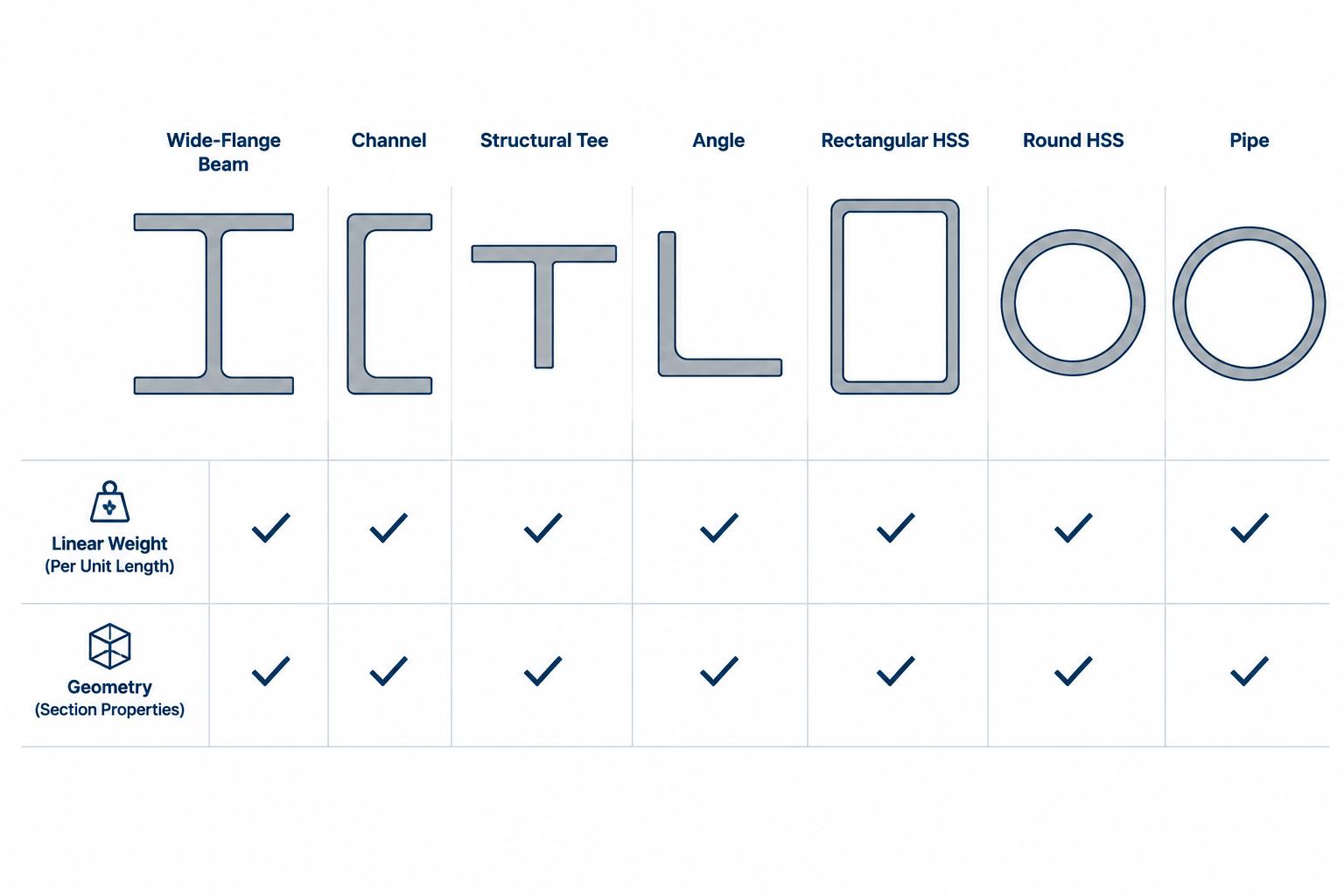
Reading Steel Shape Designations: Where Weight per Foot Appears—and Where It Does Not
Learn which structural steel designations include nominal weight per foot, which describe geometry instead, and how to estimate member weight correctly.
Written by
-
Shear Center vs. Centroid in Structural Steel Shapes
Learn how the shear center differs from the centroid in W-shapes, channels, tees, angles, and HSS, with practical detailing and CAD guidance.
Written by