This page is a dimensional and CAD reference for the RHS 80x30x2.5 cold-formed welded rectangular steel tube. The verified source content below identifies its overall dimensions, wall thickness, corner radii, sectional area, unit weight, and referenced standard.
Use the listed data when identifying the section or preparing preliminary drawings. For engineering design, procurement, fabrication, or fit-up, confirm the required section properties, material specification, tolerances, availability, and connection details with the governing project documents and supplier information.
RHS 80x30x2.5
Cold Formed Welded Rectangular Steel Tubes
refer to : EN 10219-2
the European standard that specifies tolerances, dimensions, and sectional properties for cold-formed welded structural hollow sections made of non-alloy and fine grain steels. It complements EN 10219-1, which covers technical delivery conditions.
Dimension : 80x30x2.5
Depth : 80 mm
Width : 30 mm
Thickness : 2.5 mm
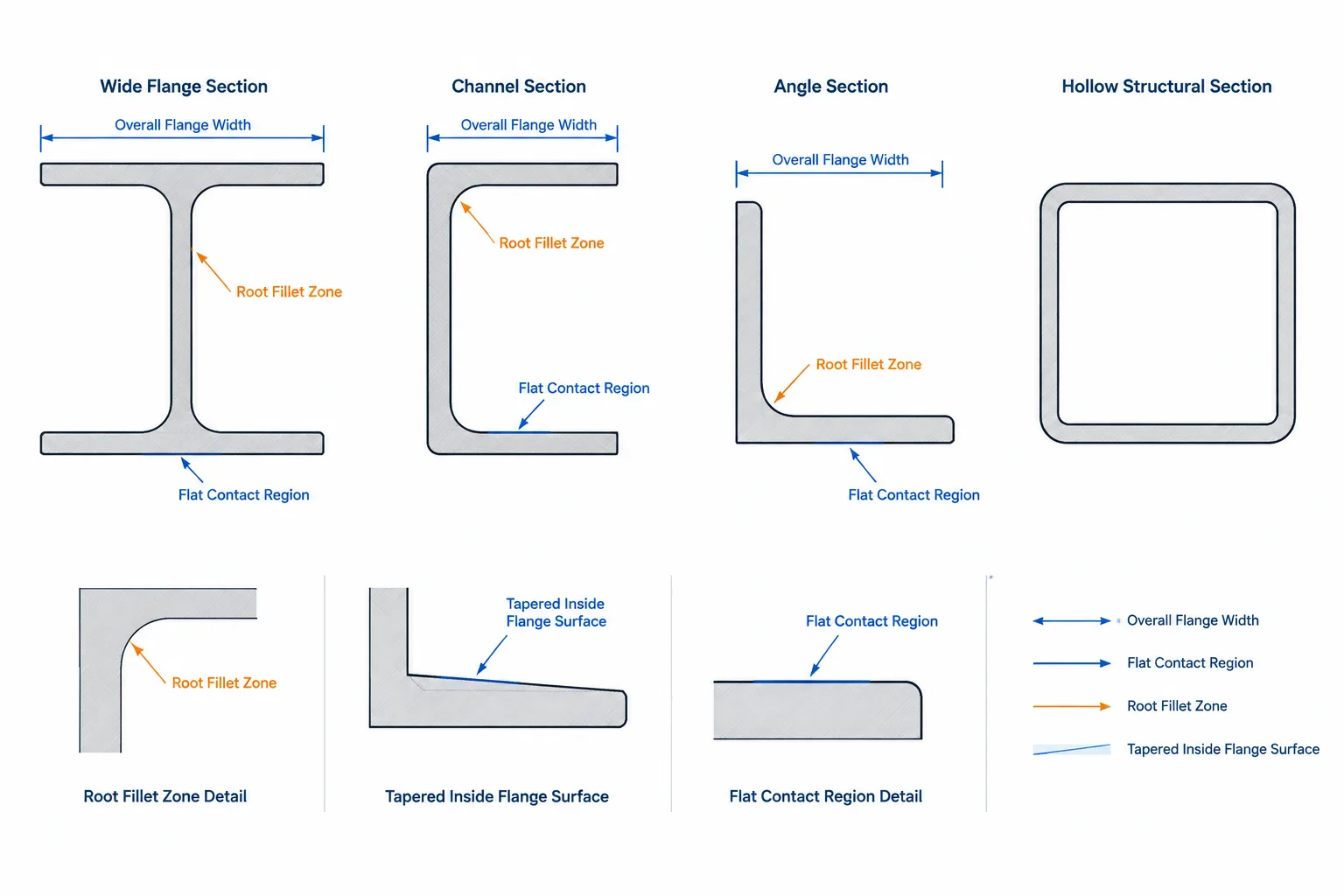
Outer Corner Radius : 5 mm
Inner Corner Radius : 2.5 mm
Sectional Area : 5.09 cm2
Unit Weight : 4 kg/m
How to read the RHS designation
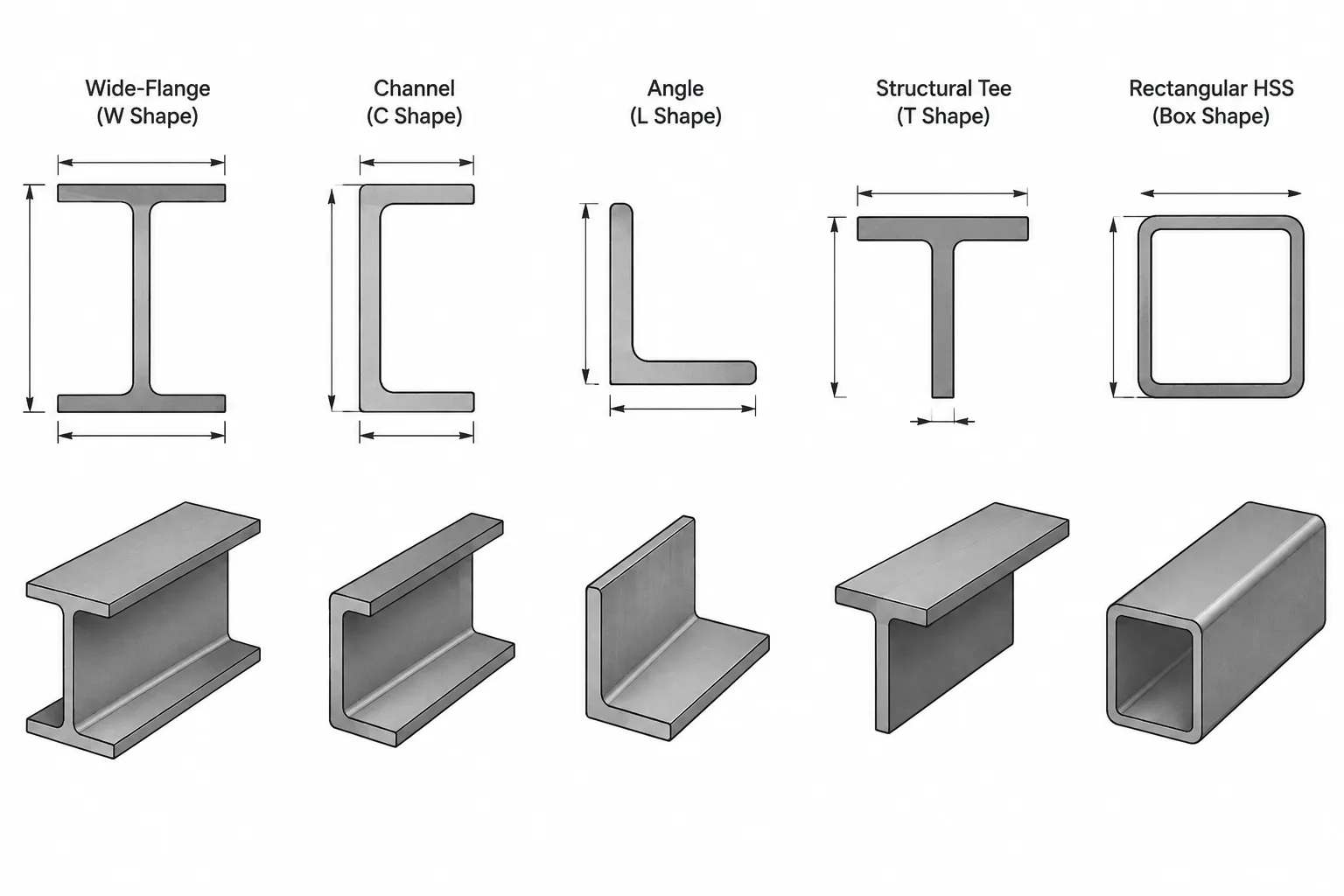
RHS means rectangular hollow section. In the designation shown here, the first two terms identify the nominal outside depth and width, while the final term identifies the nominal wall thickness. Keeping the depth and width in the stated order is important because rotating a rectangular section changes its orientation relative to the drawing and the applied loading.
Corner radii and usable geometry
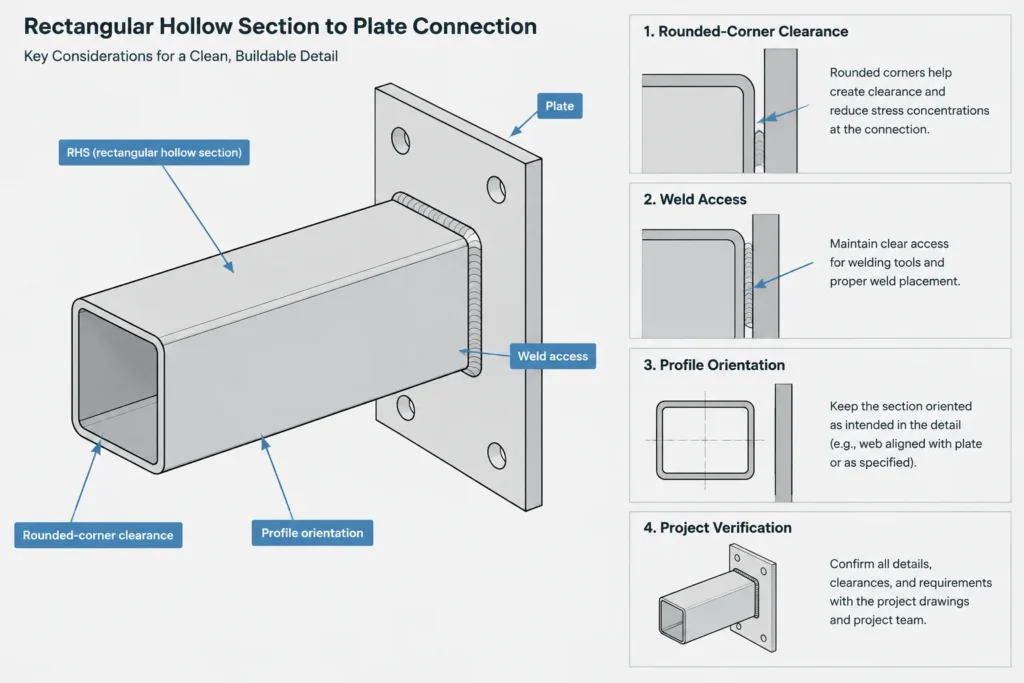
An RHS is not formed with perfectly square corners. The outside and inside corner radii are therefore relevant to CAD modeling, clearances, mating parts, weld access, and connection detailing. Avoid treating the internal opening as a sharp-cornered rectangle derived only from the outside dimensions and wall thickness.
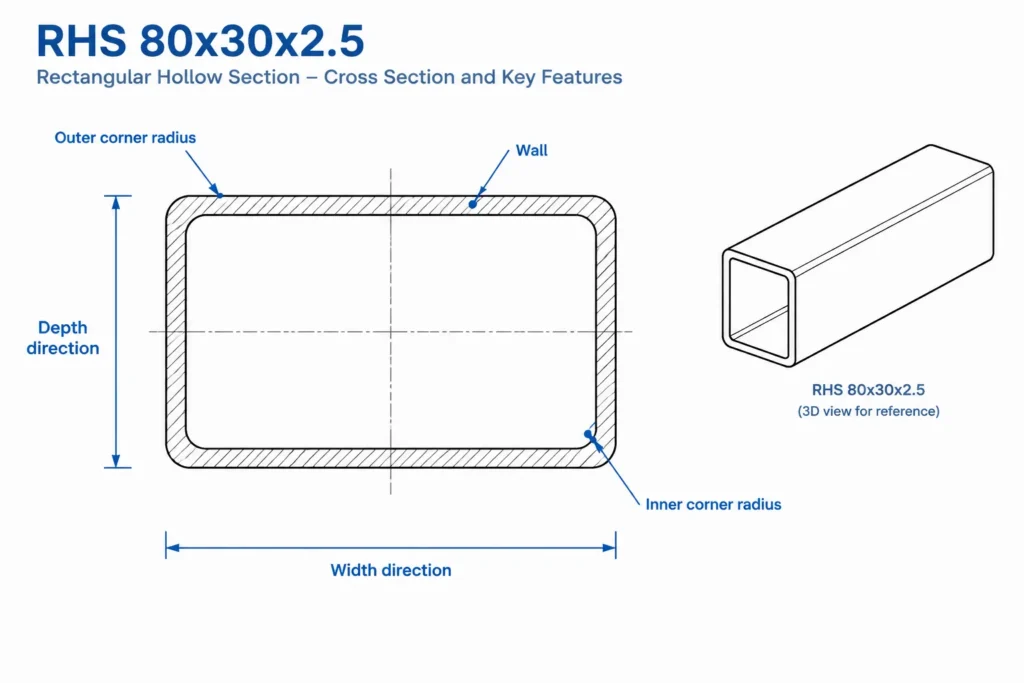
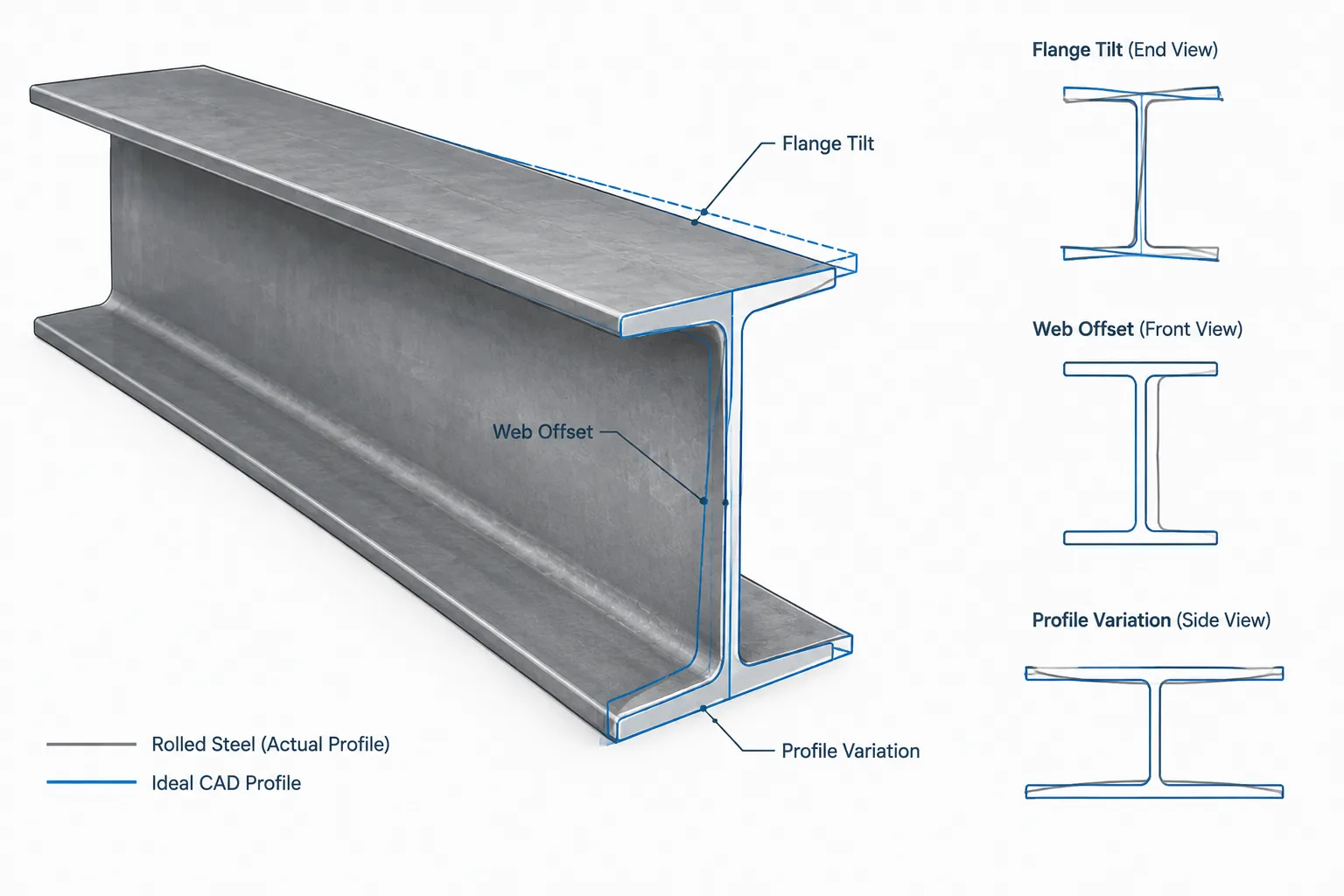
When a plate, fastener, insert, or adjacent member must fit near a corner, use the actual curved profile and allow for applicable production tolerances. Nominal dimensions alone should not be interpreted as guaranteed fabrication clearance.
Sectional area and unit weight
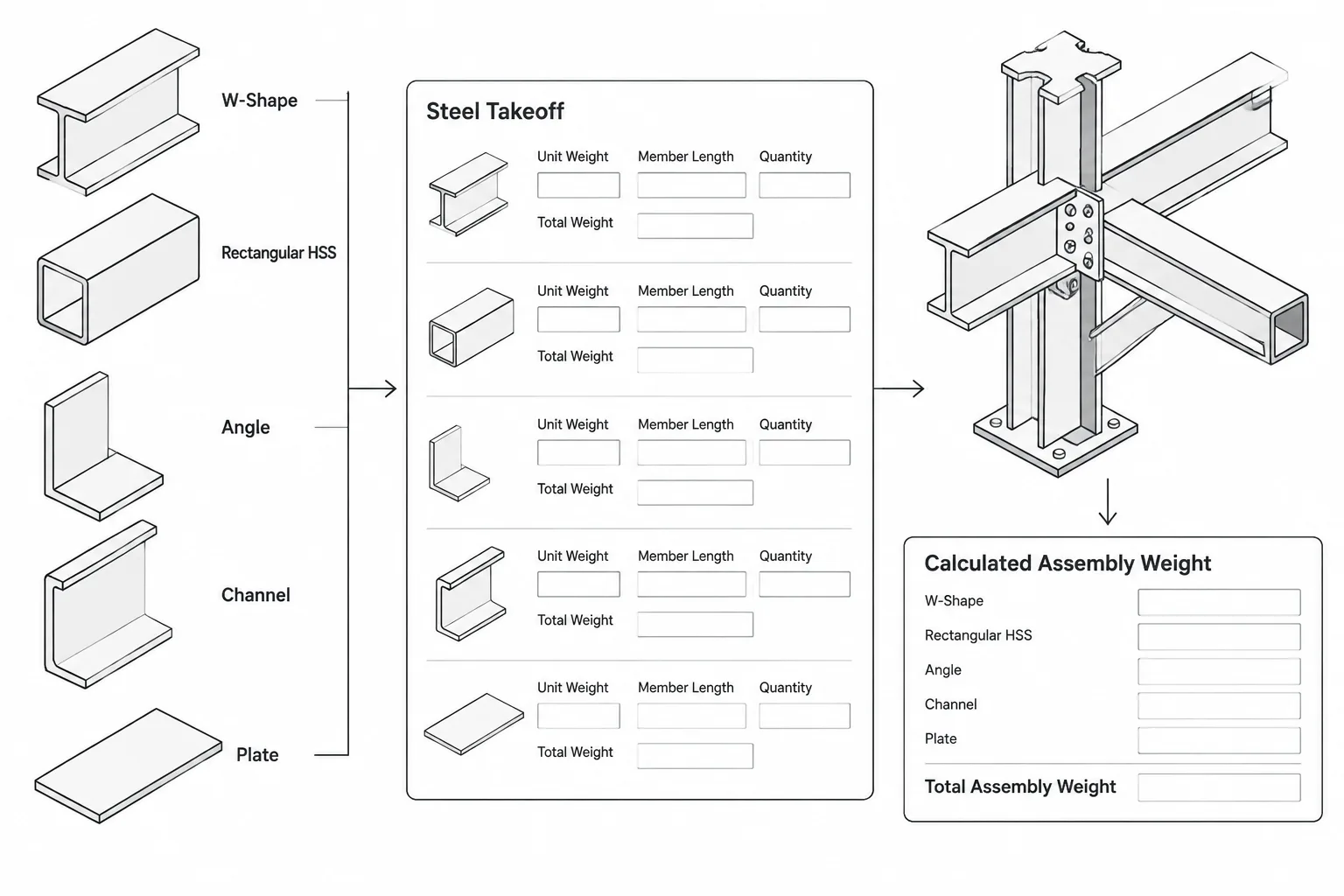
Sectional area describes the amount of steel in the cross section and is used in several structural-property calculations. The listed unit weight provides a mass-per-length reference for estimating member mass. A preliminary member estimate can be developed by applying the listed unit weight to the required length, with separate allowances for cuts, attachments, end plates, weld metal, coatings, and waste where relevant.
Using the DWG reference
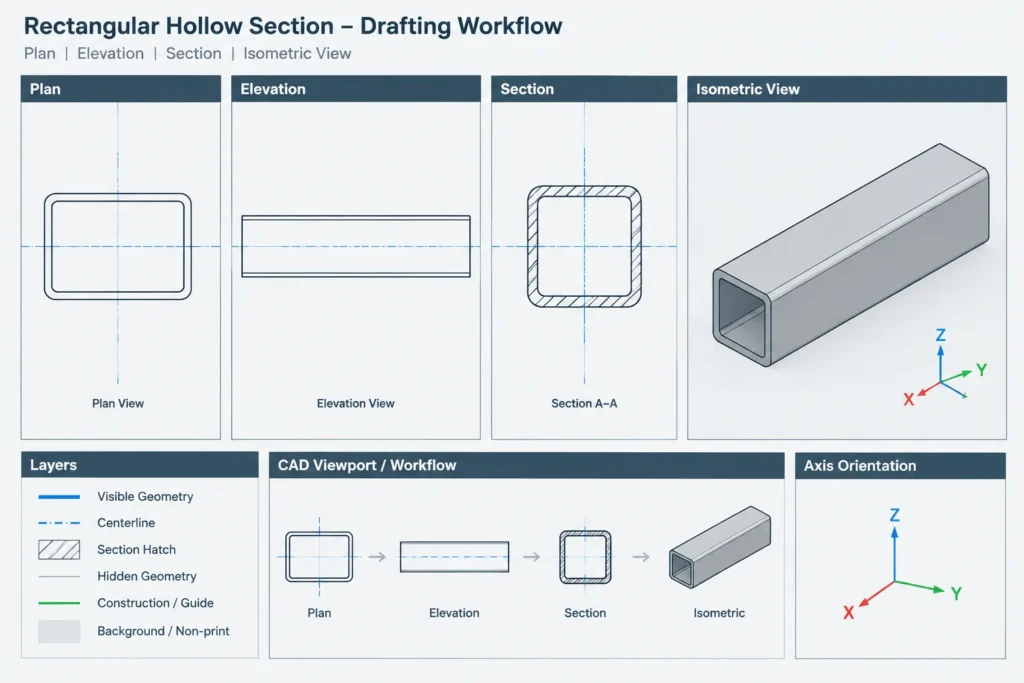
The drawing can support section identification, drafting, layout, and coordination. Before incorporating it into a fabrication or construction document, check the drawing units, scale, profile orientation, corner geometry, layer organization, and insertion point. Dimensions should be controlled by verified project data rather than by measuring displayed CAD geometry.
Related reference topics
- Rectangular hollow-section dimensions: compare outside size, thickness, corner geometry, area, and unit weight.
- HSS and RHS terminology: distinguish regional naming and specification practices rather than assuming similarly named sections are interchangeable.
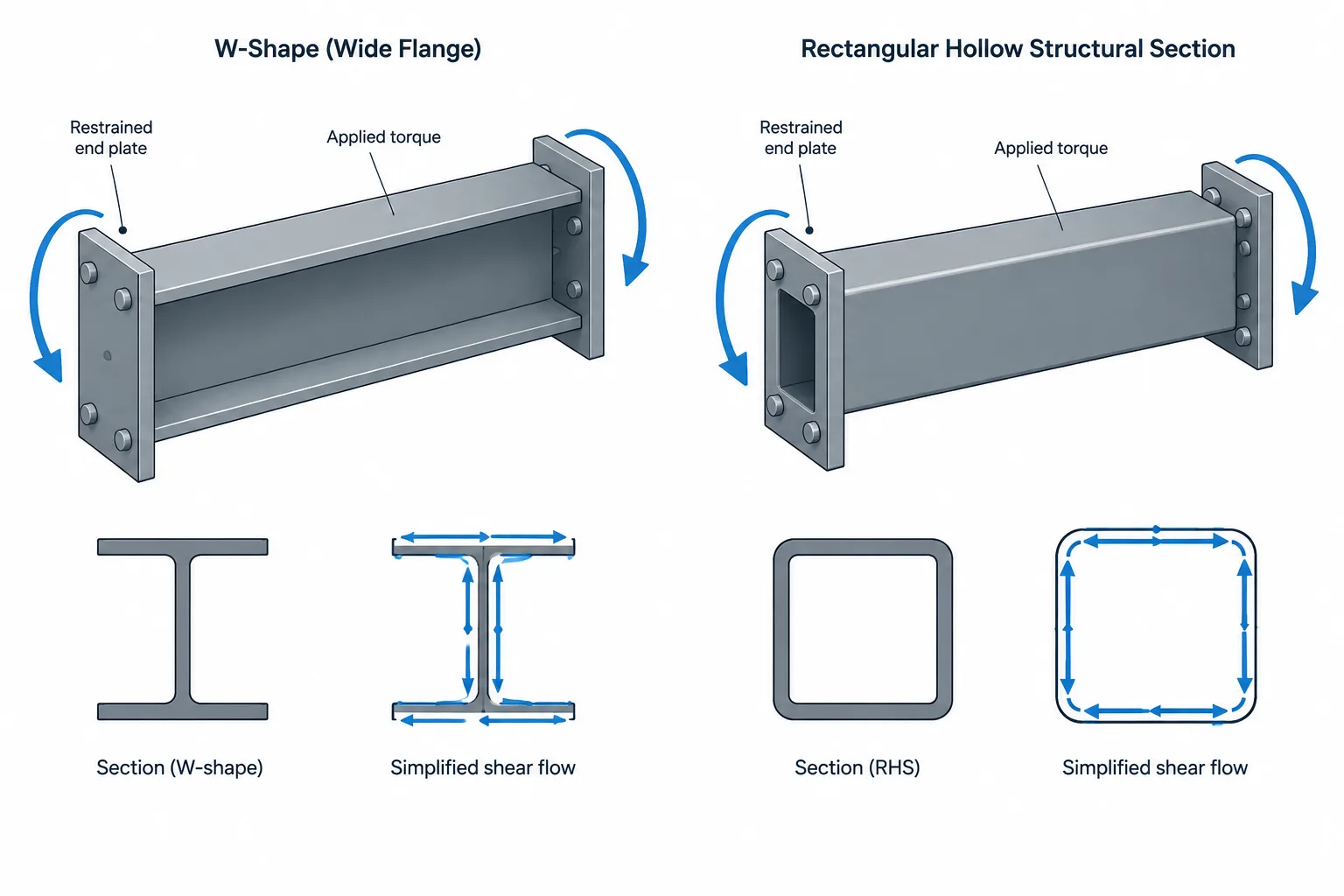
- Section properties: consult verified axis-specific properties when evaluating bending, buckling, deflection, torsion, or stability.
- Steel connection detailing: consider wall deformation, local reinforcement, weld access, fastener clearance, and load transfer.
- CAD workflow: verify units and geometry before reusing a section profile in plans, details, schedules, or models.
Design and specification caution
This dimensional reference does not establish member capacity or connection adequacy. Structural performance depends on material properties, member length, restraint, loading, orientation, fabrication, connection behavior, and the applicable design rules. A qualified professional should verify those requirements for the actual project.
Frequently asked questions
What does RHS 80x30x2.5 mean?
It identifies a rectangular hollow section by its nominal outside depth, outside width, and wall thickness. The verified values are provided in the preserved source content on this page.
Is RHS the same as HSS?
The terms are related and both describe structural hollow sections, but naming, dimensional series, tolerances, and governing specifications can differ by region. Do not substitute an HSS designation for an RHS designation without comparing the complete specification and verified properties.
Why are the corner radii important?
Formed corners affect the actual profile, internal clearance, fit-up, welding access, and the placement of connected components. They should be represented when the detail depends on corner geometry.
Can unit weight be used to estimate the mass of a member?
Yes. Apply the listed unit weight to the member length for a preliminary section-only estimate. Account separately for plates, connectors, coatings, fabrication additions, and waste as required.
Does the DWG file determine structural capacity?
No. A CAD profile is a drafting reference, not a capacity calculation. Design checks require verified material data, section properties, loading, restraint conditions, connection behavior, and the applicable design method.
Should CAD dimensions be taken by measuring the drawing?
No. Use the verified stated dimensions and project requirements. Measuring displayed geometry can introduce errors from scale, units, rounding, or file conversion.