This page provides a dimensional and CAD reference for the Celsius 355 SHS 220x220x14.2 hot-finished square hollow section. The source data identifies the section size, wall thickness, corner radii, sectional area, unit weight, and the European standard associated with its dimensional properties.
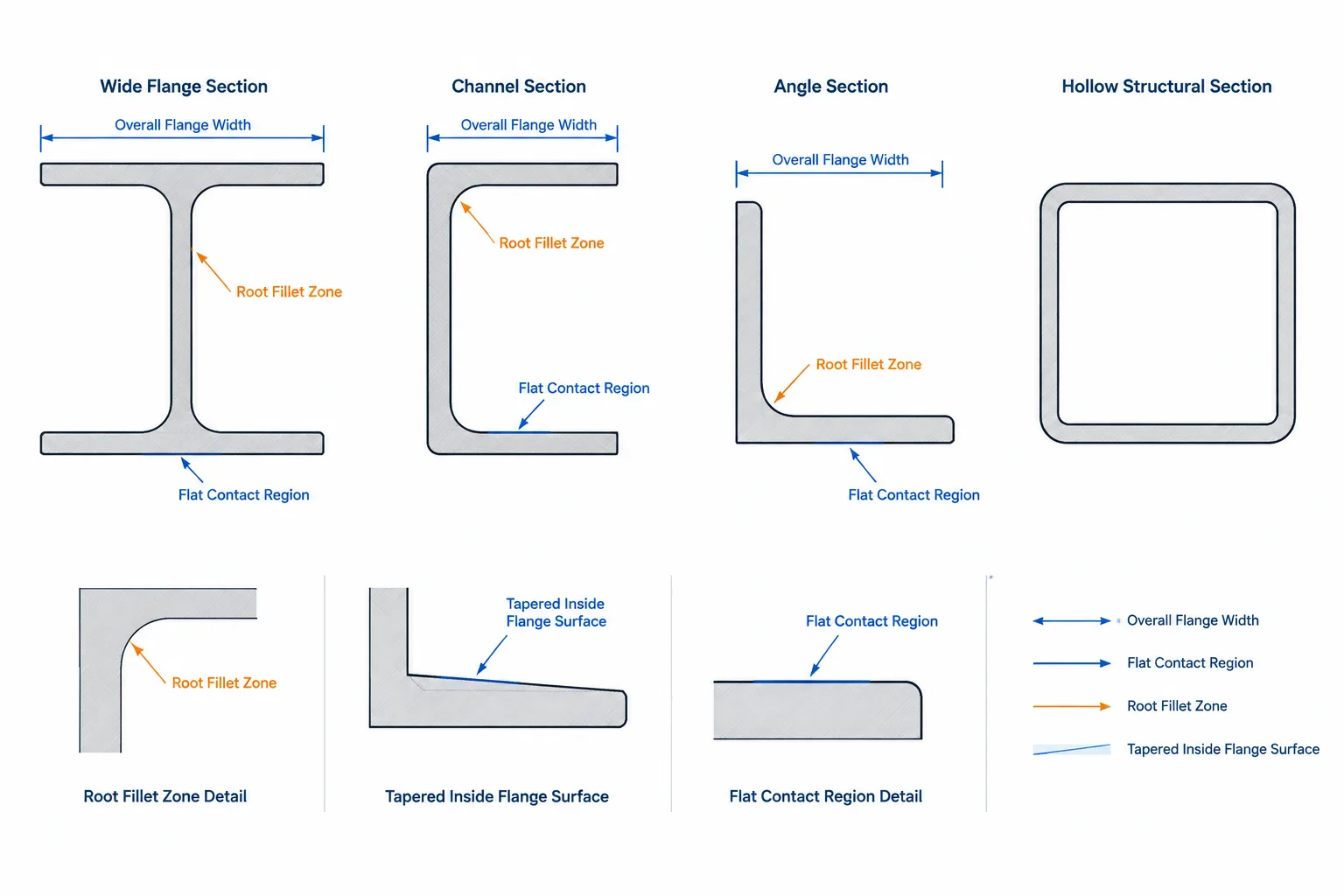
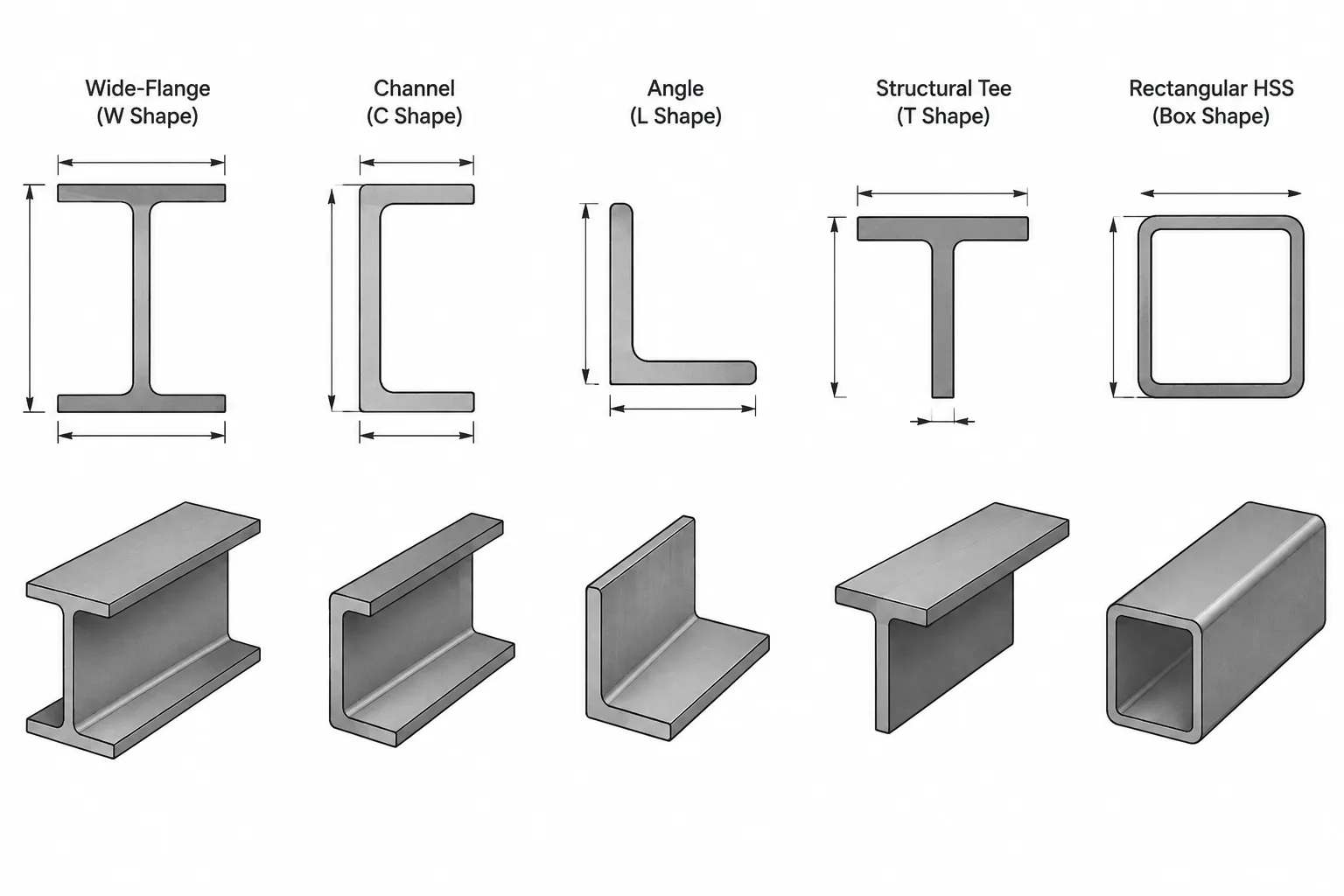
Square hollow sections combine equal outside depth and width with a closed profile. For drafting and coordination, the wall thickness and rounded corners are as important as the overall dimensions because they determine the actual section outline and available flat faces.
Celsius 355 SHS 220x220x14.2
Celsius 355 Square Hollow Sections
refer to : EN 10210-2:2006-04
the European standard that specifies tolerances, dimensions, and sectional properties for hot-finished structural hollow sections of non-alloy and fine grain steels. It supports EN 10210-1, which covers technical delivery conditions.
Dimension : 220x220x14.2
Depth : 220 mm
Width : 220 mm
Thickness : 14.2 mm
Outer Corner Radius : 21.3 mm
Inner Corner Radius : 14.2 mm
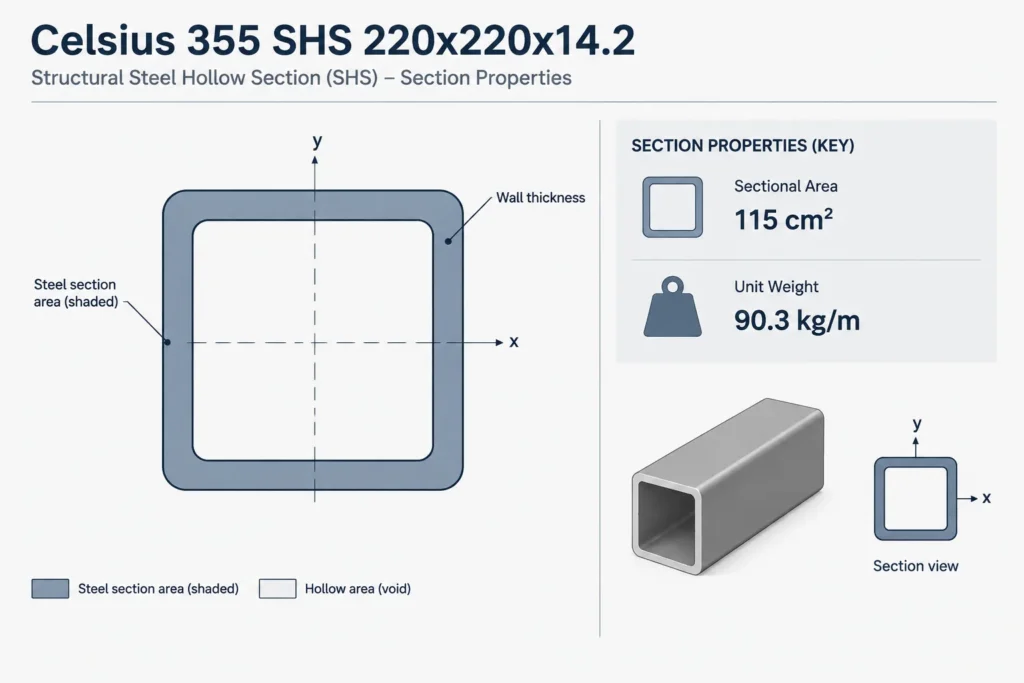
Sectional Area : 115 cm2
Unit Weight : 90.3 kg/m
How to read this SHS reference
- Depth and width: These fields define the outside square envelope of the section.
- Thickness: This is the listed wall thickness and should not be confused with the overall section size.
- Outer and inner corner radii: These describe the curved corner geometry on the outside and inside faces. They are relevant when preparing accurate section profiles and checking connection clearances.
- Sectional area: This expresses the steel area within the cross-section. It is a section-property input rather than a load-capacity value.
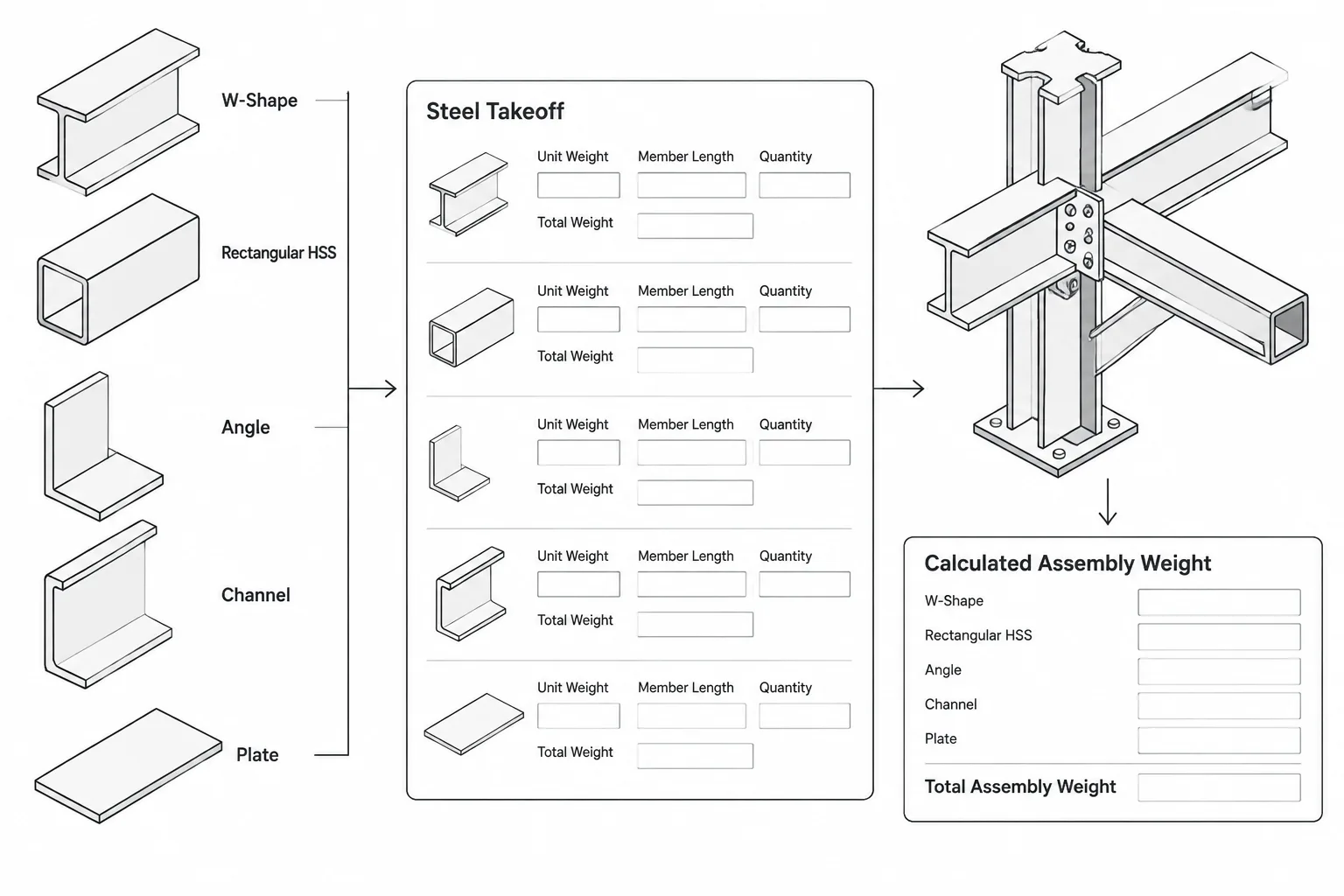
- Unit weight: This gives mass per unit length and can support quantity takeoffs when applied to the required member length.
Standard and section designation context
The source associates this section with EN 10210-2:2006-04, which addresses dimensional requirements, tolerances, and sectional properties for hot-finished structural hollow sections. It works with EN 10210-1, which addresses technical delivery conditions.
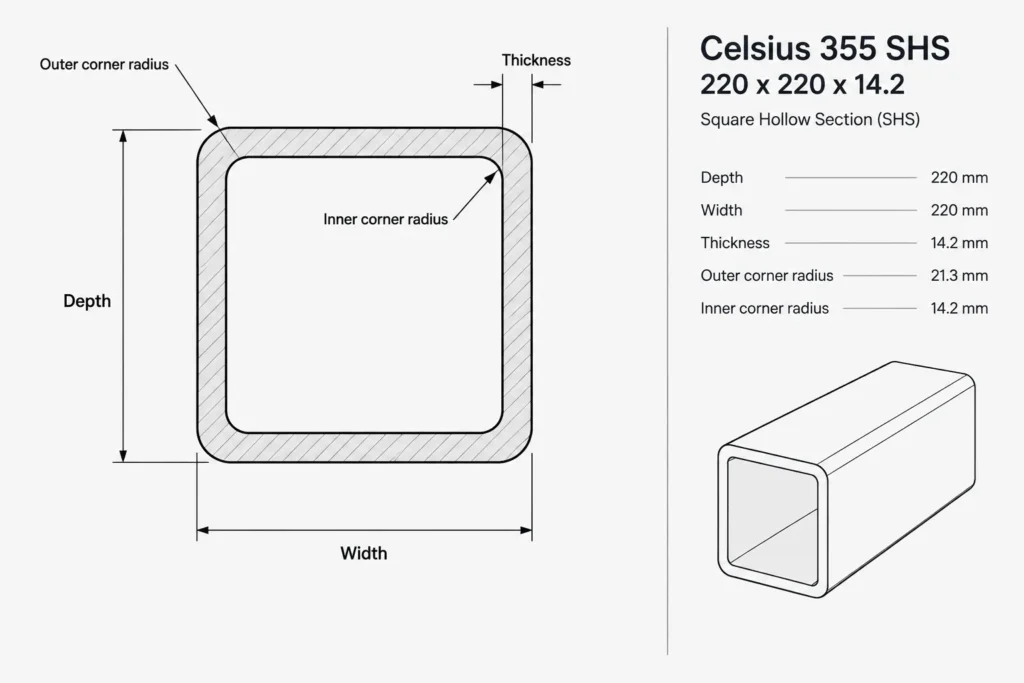
The designation should be read together with the listed dimensional data. The name identifies the section family and nominal size, while the individual fields provide the geometry needed for comparison, drafting, and model checking. The designation alone should not be used to infer design resistance or project suitability.
Using the DWG in a detailing workflow
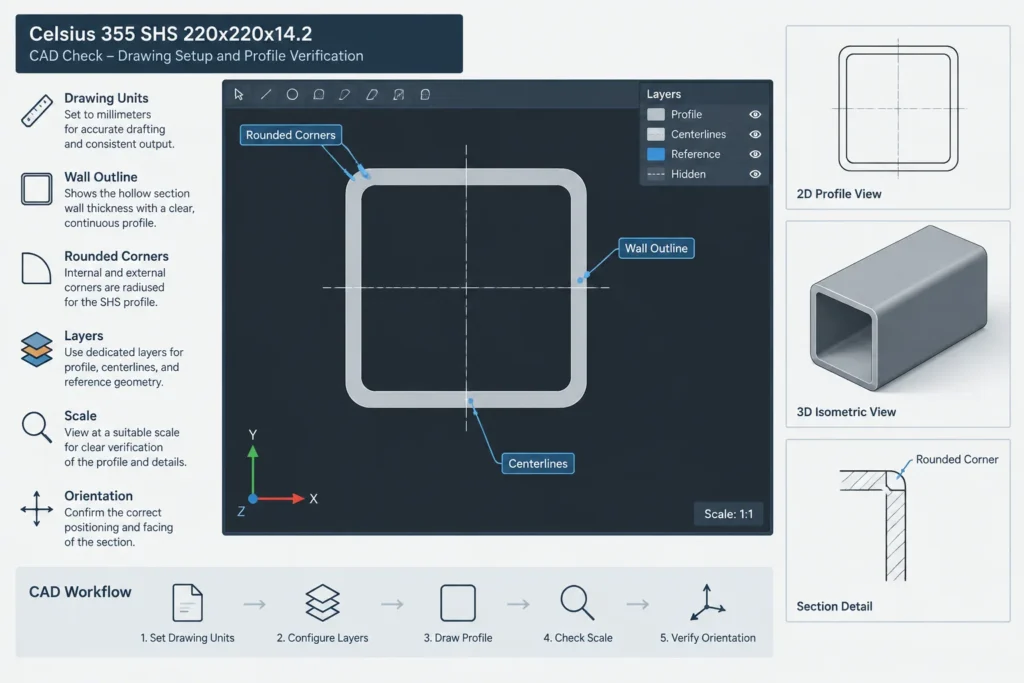
The associated DWG can be used as a drafting reference for section views, layout work, and steel-detail coordination. Before incorporating it into a project drawing, confirm the drawing units, insertion scale, layer conventions, profile geometry, and orientation against the values shown on this page.
For connection detailing, pay particular attention to the rounded corners and the resulting flat-face width. Plates, bolts, welds, and adjacent members should be developed from the applicable design requirements and verified by the responsible project professional. A section drawing is a geometry resource and does not establish connection capacity.
Related reference topics
This section is best reviewed alongside square hollow section dimensions, hollow-section property terminology, steel unit-weight concepts, corner-radius detailing, bolted and welded HSS connections, and CAD layer and unit checks. Those topics help connect the dimensional record to practical modeling, quantity, and fabrication workflows.
Frequently asked questions
What does SHS mean in this designation?
SHS means square hollow section. It describes a closed structural profile with equal outside depth and width.
Which standard is identified for this section?
The source identifies EN 10210-2:2006-04 for tolerances, dimensions, and sectional properties of hot-finished structural hollow sections, with EN 10210-1 covering technical delivery conditions.
Why are both inner and outer corner radii listed?
The radii define the curved geometry through the section corners. They affect the accuracy of the section profile and can influence clearance when connection elements are placed near a corner.
Can unit weight be used for quantity takeoffs?
Yes. Unit weight can be applied to the required member length for a material quantity check, provided consistent units are used. Allowances for connection material, cutting, and project-specific requirements should be handled separately.
Does the DWG establish structural capacity?
No. The DWG is a geometric drafting resource. Structural resistance depends on design criteria, material information, member conditions, connections, and the governing requirements for the project.
What should be checked after importing the DWG?
Check drawing units, scale, profile dimensions, wall thickness, corner geometry, layers, and orientation before using the file in a model or construction document.